How Democrats Secured Control of the Senate
Democrats win senate majority after capturing at least four necessary seats in an unexpected sweep driven by voter dissatisfaction and declining approval ratings for President Trump. Securing the upper chamber grants the party crucial oversight powers, control over the Senate schedule, and a decisive voice on judicial and administrative nominations.
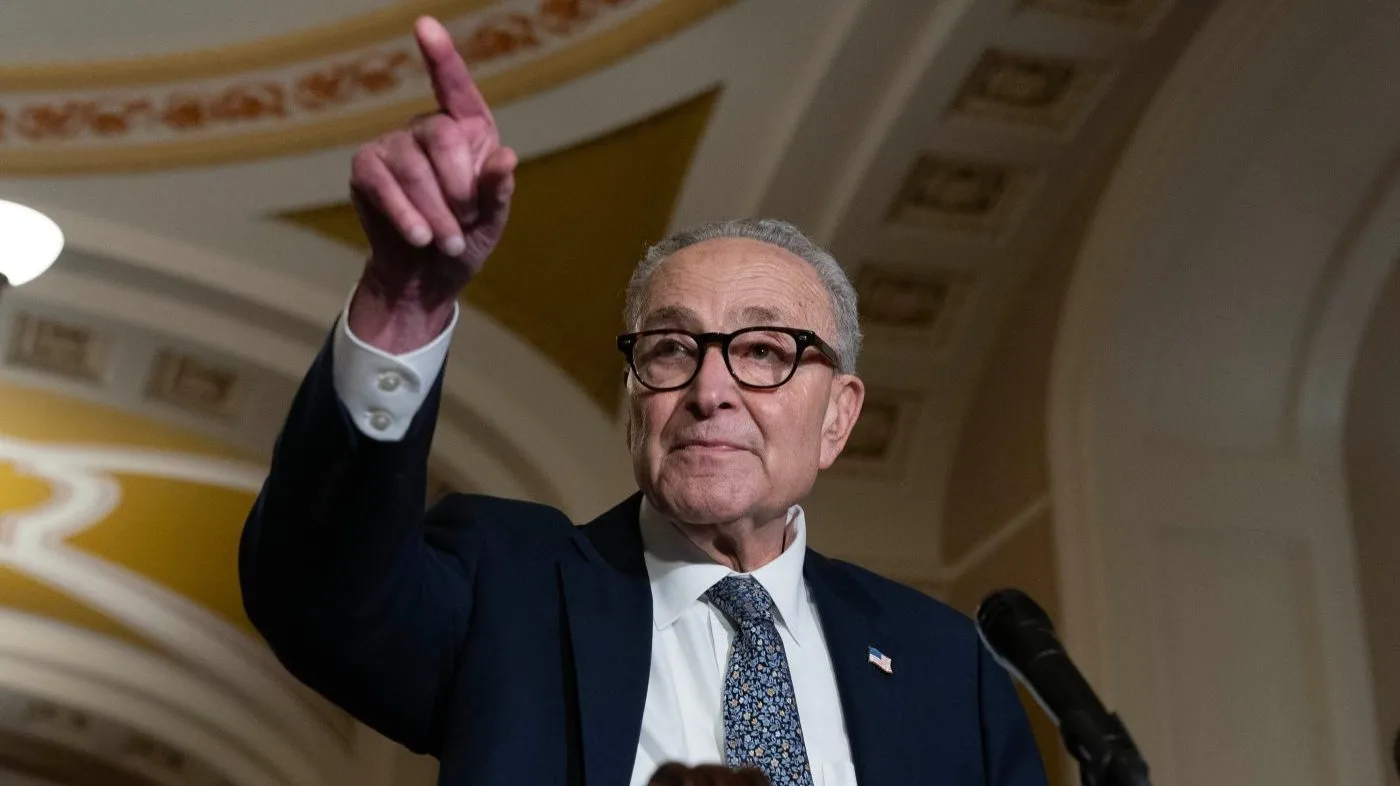
The string of wins paves the way for Sen. Chuck Schumer (D-N.Y.) to return as majority leader in 2027 and sets up intense negotiations with the White House over federal spending levels. This shift places clear limits on Trump and his legislative agenda, though compromises will still be required to pass new laws.
Key Races and Election Night Upsets
Senate Democrats flipped their first seat when election trackers declared former Gov. Roy Cooper (D) the winner over former Republican National Committee Chair Michael Whatley in North Carolina. Another major victory followed when pediatrician Annie Andrews defeated Sen. Darline Graham (R-S.C.), who had taken office in July following the sudden death of her brother, longtime Sen. Lindsey Graham (R-S.C.). In Texas, state Rep. James Talarico handily defeated state Attorney General Ken Paxton, whom Trump had controversially endorsed over Sen. John Cornyn (R-Texas) in the primary.
Political headwinds for the GOP intensified amid a deeply unpopular war in Iran and voter anxiety over the economy and soaring gas prices. Trump also faced fallout from a trade war that raised costs, along with political damage from the killings of two U.S. citizens in Minneapolis by federal immigration agents.
Campaign Spending and Fundraising Disparities
Republican candidates and aligned super PACs heavily outspent their opponents, with a GOP source estimating that Senate Majority Leader John Thune (R-S.D.) and outside groups poured nearly three quarters of a billion dollars into protecting the majority. In Texas, outside groups spent more than $153 million against James Talarico, while groups in Ohio spent over $115 million against former Sen. Sherrod Brown (D-Ohio), according to OpenSecrets.org.
Despite the financial disadvantage, Democratic candidates built a strong fundraising edge for their own campaign coffers. Democrats in more than a dozen races raised over $250 million during the third fundraising quarter of 2026, overshadowing the $56 million collected by Republicans during the same span.