Europe will suffer multiple casualties if it does not wake up to Russia's increasingly dangerous sabotage operations, a German MP warned. The European Union is bracing for a mass-casualty hybrid attack while frantically drawing up plans to respond to a large-scale assault, according to reports. Nato nations are also drafting their own separate emergency measures as fears of a deadly Russian assault mount every day.
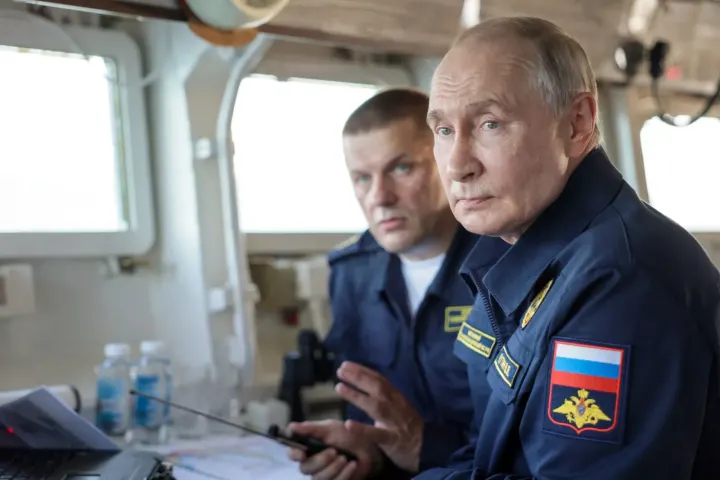
Moscow has been expanding its shadow campaign plots across the West in recent months, highlighted most starkly by the Leipzig drone ordeal. The near-miss disaster served as the opening salvo in a stepped-up campaign of shadow warfare against Nato directly ordered by Russian President Vladimir Putin, according to the Wall Street Journal.
German MP Roderich Kiesewetter stated that he believes casualties are inevitable. When asked about potential plots by Putin, the retired army colonel told The Sun that risks include hijacking trains, ships, tourist ships, or public traffic.
Former UK ambassador to Belarus Nigel Gould-Davies emphasized that the West has already been a whisker away from a multiple-casualty attack. The Russia analyst told The Sun that the drumbeat of warnings regarding an escalation in Russian attacks is serious and credible, noting that it was only by chance the recent Leipzig drone incident did not become a mass-casualty event.
During the botched Leipzig drone operation in August, one drone hit a cargo plane but failed to explode, another struck a different aircraft, and a third blew up near the airport. Berlin quickly pointed the finger at Moscow, and US intelligence now views the ordeal as one of the opening shots in Putin's next stage of shadow war. Top aides to German Chancellor Friedrich Merz stated they would have weighed up invoking Article 5 of Nato had the attack resulted in casualties, a move that would have put the continent on the brink of all-out war with Russia.
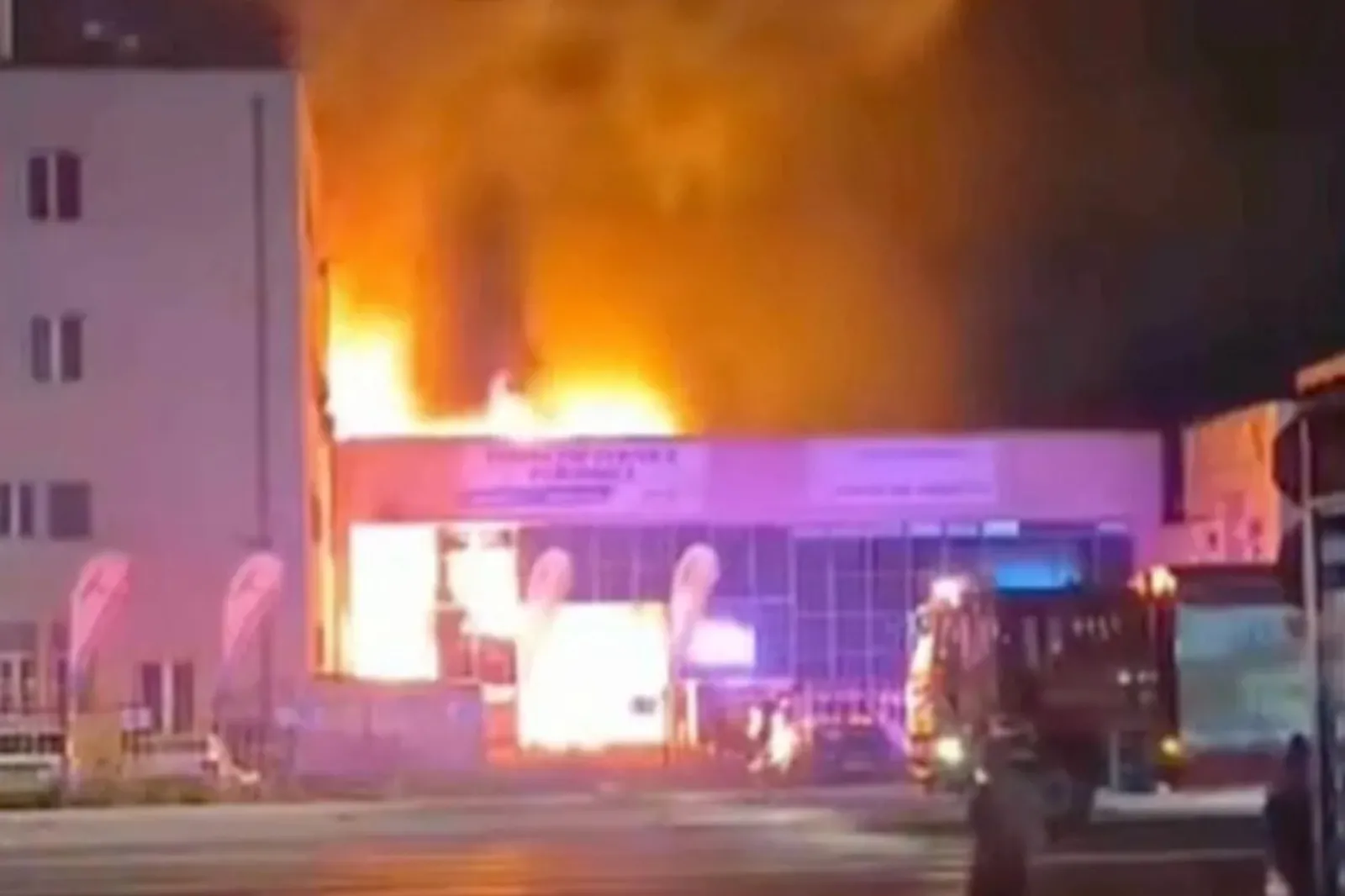
Politico reported last month that EU capitals are preparing for a major hybrid attack leaving several citizens dead. On Tuesday, Romanian president Nicusor Dan accused Russia of orchestrating a huge fire near an arms site in September. Although no casualties were reported following the inferno, similar future operations risk innocent deaths or injuries. Dan stated that such actions are unacceptable and represent a serious violation of the sovereignty and security of the country, adding that no foreign entity has the right to act in this way on the territory of Romania or other European states.
Sabotage plots have increased in rate and scale while the frontline in Ukraine has ground to an effective standstill. Russian forces are recording huge casualties as both Kyiv and Moscow continue to launch cross-border missile and drone strikes. On a diplomatic level, the US has tried to step in and bring both sides to the negotiating table, with the Kremlin confirming it will hold talks with Kyiv and Washington in November.
Kiesewetter noted that sooner or later countries will face perilous sabotage attacks and called EU response plans long overdue. Gould-Davies added that Russia is testing tolerance for acts of sabotage and assassination that may amount to serious aggression even without a traditional invasion. Nato and EU member-state plans include cooperation to detect and prevent attacks and to make critical infrastructure more resilient, though Gould-Davies pointed out that Europe has not committed enough to sufficient deterrence plans.
Kiesewetter also criticized current response plans as too slow, pointing to war games showing that European decision-making processes lag behind. He described Leipzig as a turning point and a wake-up call for Germany due to a restrained response, highlighting the lack of escalation dominance.
In September, European allies Poland and Lithuania were revealed to be drafting evacuation plans through Nato's Achilles heel, the Suwalki Gap. Islands in the Baltic Sea, such as Sweden's Gotland and Germany's Rugen, also live under the threat of a looming attack. Russia's clandestine operations are orchestrated by a branch of Russian military intelligence, the GRU, called the Special Tasks Service, or SSD, which was formed in 2023 by merging underground units to wage covert warfare against Europe.
Kiesewetter stopped short of predicting another full-scale invasion but expects challenges, biting small parts of land, or shifting borders. He noted that the next two years are vital because some countries plan to be war-ready by 2029, and Putin will not wait until Europe reaches that stage in the early 2030s. Britain is also gearing up for confrontation, having pledged this week to increase defence spending to three per cent of GDP by 2030.