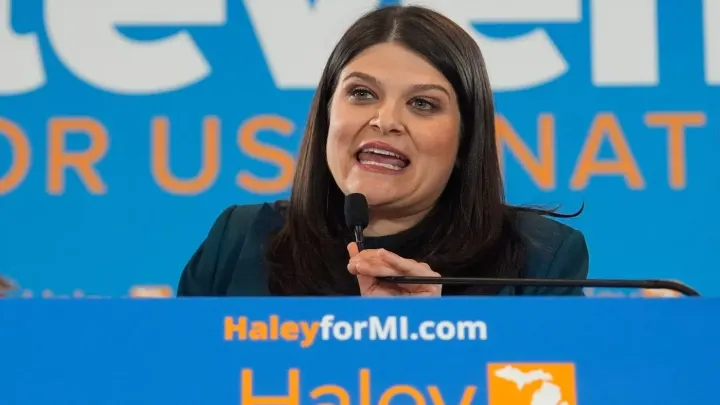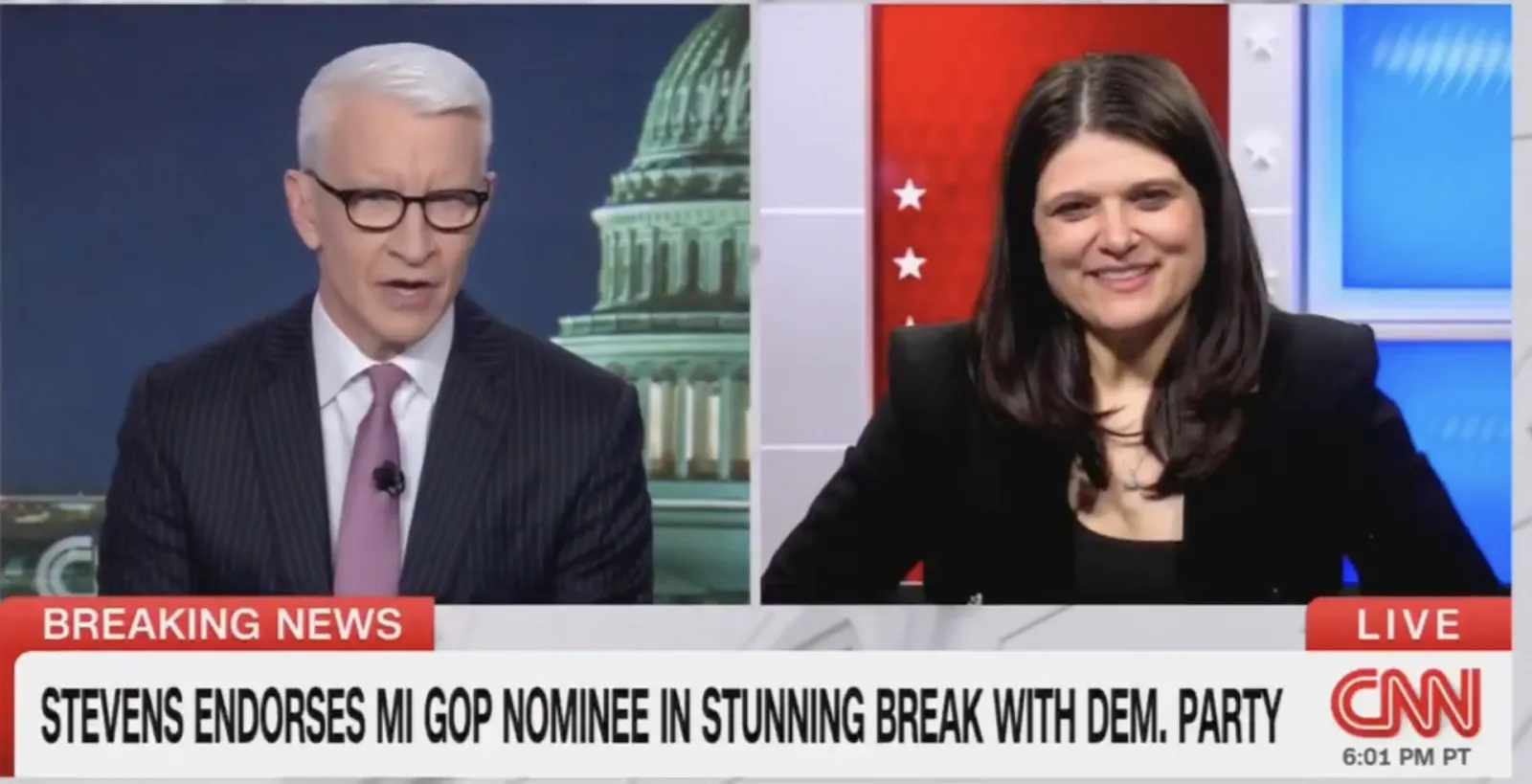
United States Representative Haley Stevens appeared on CNN Sunday night for a discussion with anchor Anderson Cooper regarding her eleventh-hour endorsement of Republican candidate Mike Rogers over her fellow Democrat Abdul El-Sayed in the Michigan Senate race. Cooper focused his questioning on an allegation by Congresswoman Debbie Dingell that Stevens had assured her no cross-party endorsement was coming just hours before appearing with Rogers at a Detroit church.
Stevens proved unable to answer direct questions about what changed between that phone call and her public announcement the following morning. Dingell herself called the segment one of the most painful interviews she had ever watched while appearing on the same program minutes later. Stevens frequently began her responses with the word look before offering evasive non-answers and expressing complaints about El-Sayed.
here's the entirety of the seeming mental breakdown Haley Stevens just had on CNN. One of the most bizarre and incoherent political interviews I can recall. Note how she's completely unable to explain why she changed her mind from supporting Abdul El-Sayed last night to endorsing… pic.twitter.com/0QVBX6yOXf
— Aaron Rupar (@atrupar) November 2, 2026
Cooper allowed Stevens to explain her position while questioning why her issues with El-Sayed became a reason for a public defection at a critical moment in the election. Stevens downplayed the significance of her decision by calling herself an independent woman while taking advantage of national television attention. Many of her staff members have recently departed, leaving her unprepared for predictable questions as a lame duck who will leave the House in a few months.
Background on the Michigan Senate Race
The political landscape in Michigan has seen intense competition for the United States Senate seat, drawing national attention during the midterm election cycle. Democratic primary contests often bring deep divisions within the party as candidates vie to represent their constituents in Washington. The state has long been a crucial battleground in American politics, with voters frequently splitting tickets or shifting allegiance between major political parties. Candidates spend substantial sums of money campaigning across urban centers like Detroit as well as vast rural districts to secure voter support.
Endorsements carry significant weight in high-profile Senate campaigns, as party leaders and incumbent lawmakers seek to consolidate their bases. Cross-party endorsements remain rare and often provoke strong reactions from party loyalists and colleagues alike. When prominent figures switch sides or support opposing candidates late in an election cycle, it frequently generates intense media scrutiny and debate over party loyalty and political principles. This particular race highlighted ongoing tensions within the Democratic Party regarding progressive versus moderate factions.
The Role of Television Interviews in Modern Politics
High-stakes television appearances have served as a critical test for political figures since the advent of televised debates in 1960. Anchors like Anderson Cooper use direct questioning to press elected officials on controversial decisions, demanding clarity and accountability from public servants. Interview performance can instantly shape public perception and influence the trajectory of a politician career, particularly when dealing with unexpected controversies or shifting alliances. Viewers increasingly scrutinize body language, preparedness, and consistency when politicians attempt to defend contentious public actions on national networks.
Media training and staff preparation form an essential part of modern political office operations, helping officials navigate difficult questions from journalists. When a lawmaker loses staff support or enters a lame-duck period, public communication can suffer noticeably, as seen during recent television appearances. Public scrutiny remains relentless in the digital age, where interview clips circulate rapidly across social media platforms and news websites, cementing impressions among voters long after the broadcast ends.