Donald Trump Concedes Iran Conflict Hurt Republicans
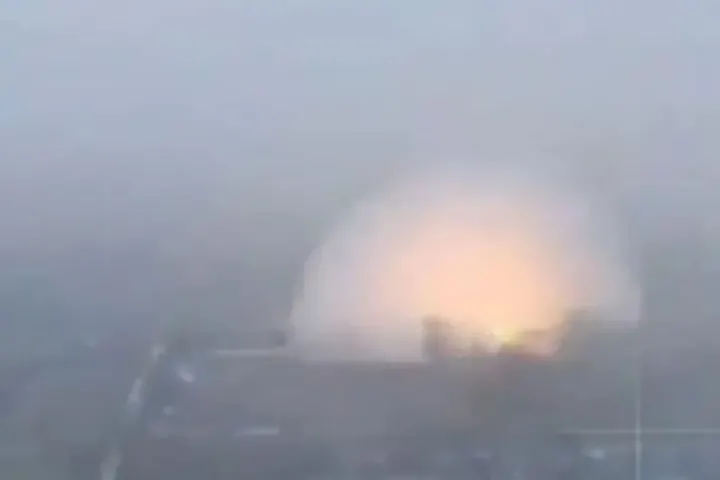
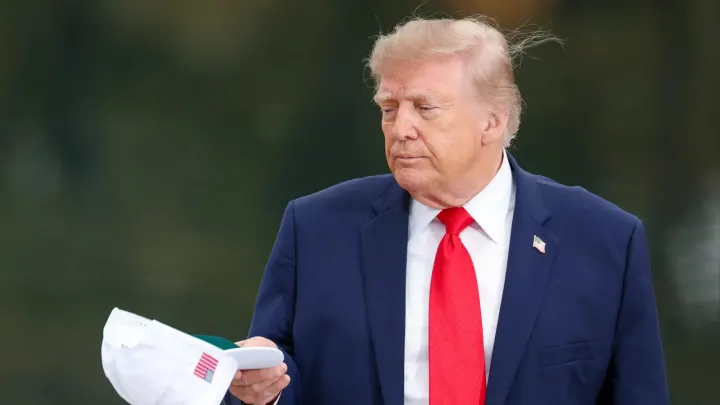
President Donald Trump stated that it is "largely true" that the military conflict with Iran cost his party during the midterm elections, speaking to reporters at the White House on Wednesday. The commander-in-chief acknowledged that soaring fuel costs damaged Republicans at the polls, yet maintained he would launch the campaign again to stop Tehran from acquiring nuclear capabilities.
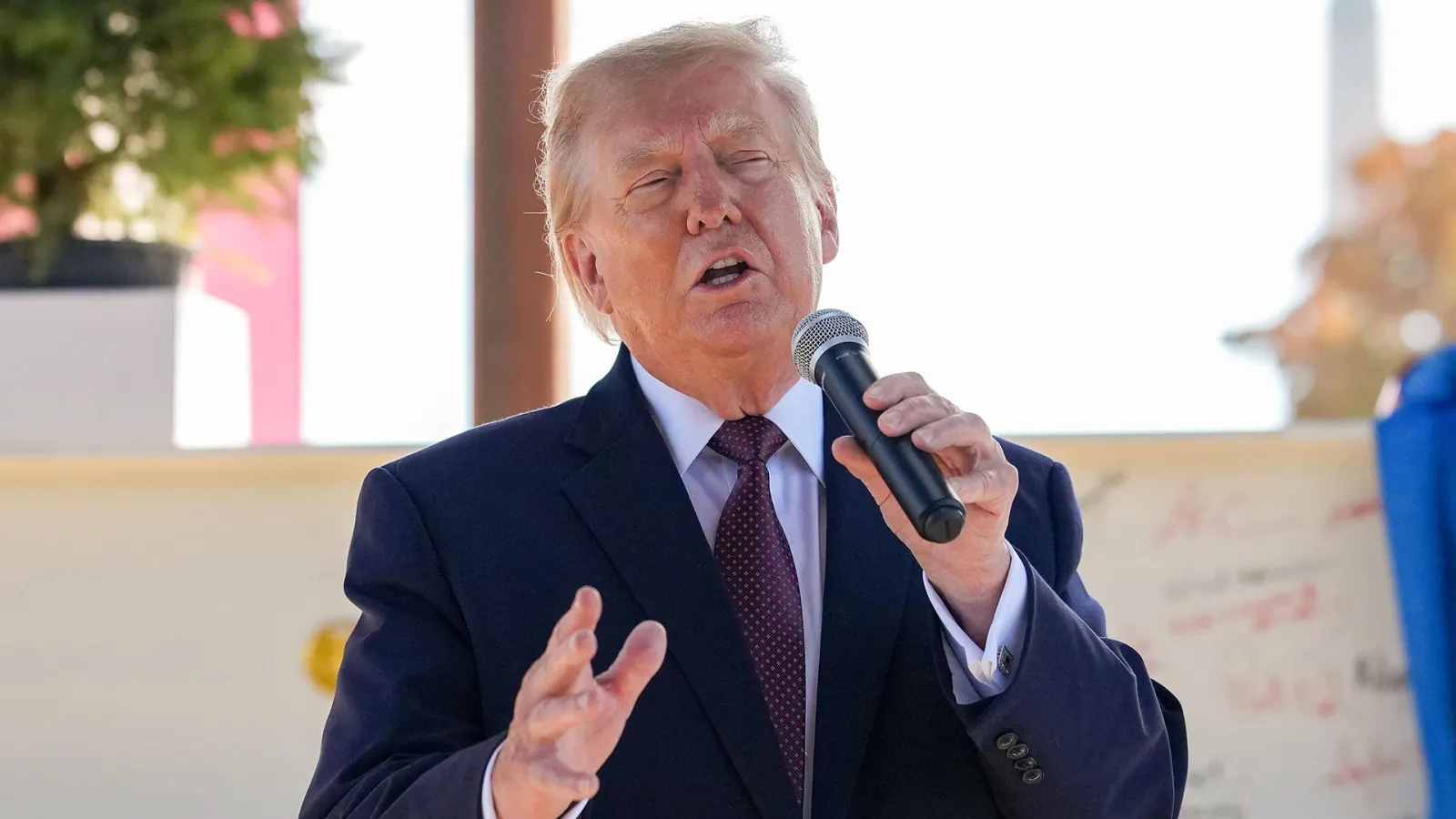
"Well, I think it's largely true because it drove the gasoline up a little bit short term," Trump said. "But at the same time, if I had it to do again, I'd have to do it again. Because long term, it's the only answer. You can't let Iran have a nuclear weapon."
Trump refused to retreat from his tactical choices, asserting that the United States had dismantled the opposing nation's military infrastructure. "We've totally broken their military. The navy's gone. Their air force is gone. Their anti-aircraft is gone," he added.
Vice President JD Vance Blames Overseas Conflict
Vice President JD Vance delivered a straightforward appraisal on Wednesday morning, stating that the eight-month Middle East operation alienated conservative voters and drove the massive blue wave across the United States. Vance argued on social media that the primary obstacle was not voter turnout, but rather the ongoing foreign engagement.
"The reason we lost is the war. The president himself said so last night," Vance stated. Donald Trump Jr. amplified this perspective online by reposting the message with agreement and three 100 emojis.
Vance noted that numerous individuals who backed the Trump and Vance ticket in 2024 chose Democratic candidates in 2026. Despite losing control of Congress, the vice president expressed optimism regarding the nation's future.
Voters Reject Military Action Amid Rising Fuel Costs
Public dissatisfaction with the military campaign stems from disrupted petroleum supplies and the deployment of American service members, resulting in 23 military fatalities since strikes began in late February. Polling from the Pew Research Center indicates that roughly two-thirds of Americans disapproved of the administration's handling of the situation.
Iran's chief negotiator Mohammad Bagher Ghalibaf responded to the election outcome by declaring that American citizens rejected the conflict. Meanwhile, political analysts suggest the congressional defeat complicates future political prospects for administration figures ahead of the 2028 presidential cycle.