Prime Minister Andy Burnham faces intense speculation in Westminster over a potential snap general election following the delivery of a remarkably mild national budget by Chancellor John Healey. The fiscal plan included surprising measures such as tariff cuts on imported gherkins, which quickly emerged as a surprisingly popular policy among voters according to recent polling data.
Chancellor John Healey presented a budget that steered clear of difficult structural reforms, opting instead for broad crowd-pleasing measures. Beyond the reductions on imported pickles, the fiscal package included removing standing charges from gas bills, freezing fuel duty, and extending a zero percent VAT rate on electricity costs. Additional provisions raised the minimum wage, extended business rates relief, and delivered a one-off energy bills payment of one hundred pounds to twenty million families across the country.
Polling conducted by YouGov revealed that the modest tariff adjustments on gherkins ranked as the fourth most popular policy in the entire address. The public reception contrasted sharply with the initial sneers from political commentators and financial analysts who scoured the small print for hidden traps. Instead of finding painful tax hikes or immediate austerity measures, economic experts found a largely bare cupboard regarding long-term structural challenges.
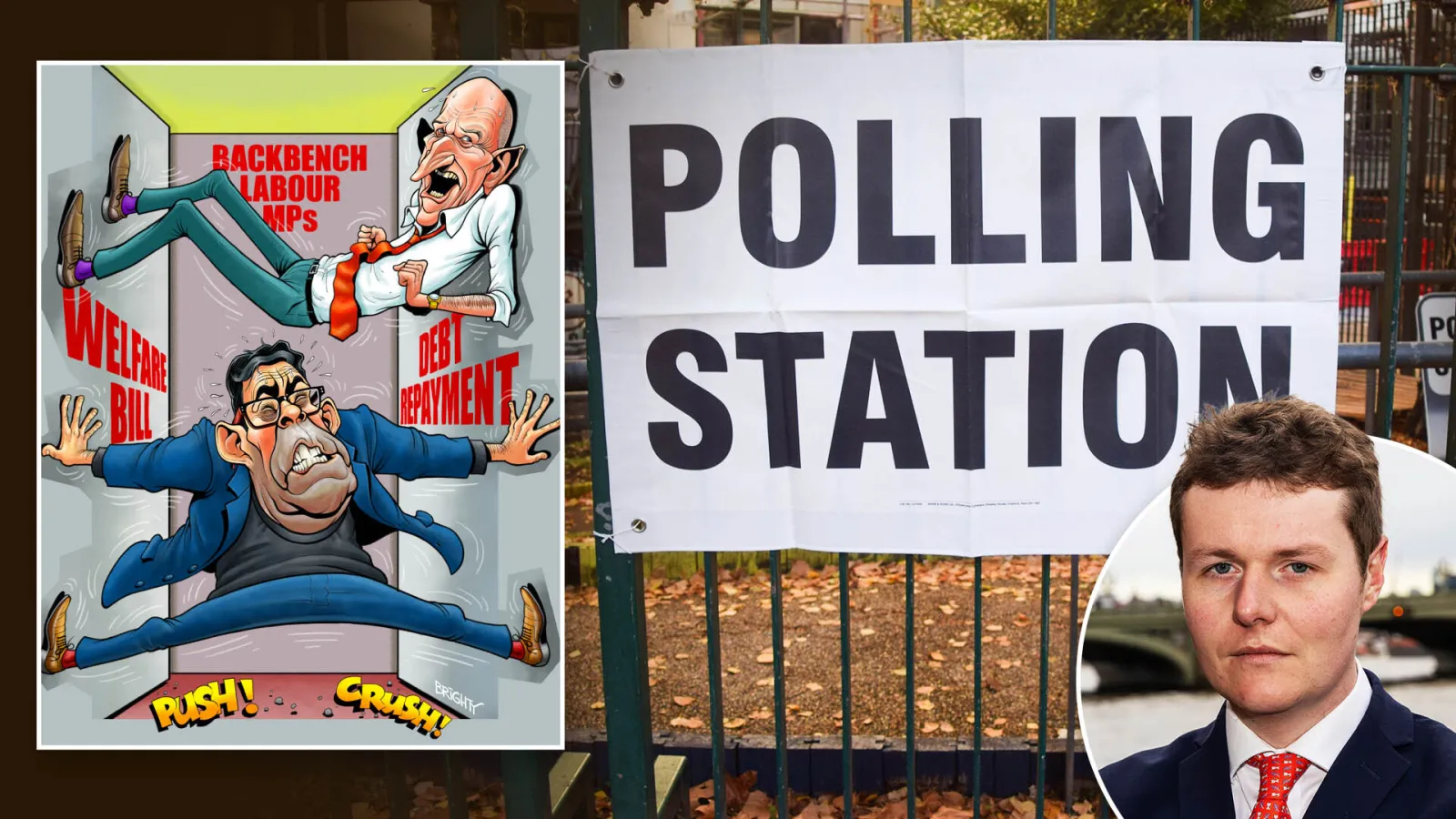
Prime Minister Andy Burnham openly admitted that the fiscal package was not a terribly radical piece of legislation, a remark that reportedly caused friction with Chancellor John Healey. The decision to avoid aggressive tax increases or radical overhauls left many political insiders questioning the ultimate strategy behind the cautious approach. Critics argue that the government chose to distribute financial handouts rather than address eye-bleeding national debts, a blossoming welfare state, and creaking public defences.
The Theory Behind a Potential Snap Election
Political analysts in Westminster suggest that the mild nature of the recent fiscal event is a deliberate setup for an early trip to the polls. The core theory dictates that Prime Minister Andy Burnham wants to secure a fresh five-year mandate before upcoming economic crunch points force him to implement deeply unpopular austerity measures. By distributing financial giveaways now and leaving difficult decisions for later, the administration might capitalize on current public approval.
Public opinion polls currently place the governing party six points ahead of the Conservative Party and Reform UK. With opposition parties experiencing internal divisions and minor factions remaining largely stagnant, supporters of this theory believe that striking immediately could yield a stable parliamentary majority. Furthermore, reopening debates surrounding electoral reform and international trade could potentially rally left-leaning voters who previously distanced themselves during earlier administrations.
Official denials from government figures regarding an early trip to the ballot box are standard procedure in British politics. Observers note that any explicit hint of a campaign would trap the leadership into following through or facing accusations of cowardice. Consequently, Westminster speculation centers on whether a winter campaign could be unveiled before the end of the calendar year to catch opponents off guard.
Risks and Challenges Facing the Prime Minister
Opting for an early electoral contest carries substantial risks that could jeopardize years of political ambition for Prime Minister Andy Burnham. Campaigning would drag the leader away from controlled environments and force him into rigorous televised debates against formidable political opponents. Conservative figures and opposition leaders have routinely demonstrated strong debating skills during parliamentary exchanges, posing a direct threat to the current administration's public standing.
Moreover, historical trends suggest that polling leads tend to narrow significantly once an official campaign gets underway across the nation. The governing party would struggle to construct a winning doorstep message centered on fiscal responsibility while simultaneously attempting to fund social care and national security. At least one recent electoral simulation indicated that an early vote could wipe out the current parliamentary majority entirely, potentially forcing the leadership into a messy coalition with smaller political groups.
Upcoming Policy Tests and Milestones
The coming months will provide clearer insights into the true trajectory of the administration and its legislative priorities. Upcoming immigration reforms will serve as an immediate test of party management and executive control within the parliamentary ranks. Additionally, responses to two major welfare reports scheduled for publication this month will reveal whether the government possesses the appetite to confront the escalating benefits crisis.
A heavily promoted ten-year strategic plan will ultimately outline the long-term blueprint for the country under the current leadership. The extent to which this comprehensive roadmap relies on securing a fresh electoral mandate will clarify the administration's timeline. As Andy Burnham faces tough November after smooth first 100 days in office, the debate over his long-term strategy continues to dominate political discourse across the capital.