The Democratic rout in the midterms served as a referendum on President Trump, prices and the war in Iran. However, the outcome brings consequences extending far beyond those determinative debates, directly touching matters of vital interest to Hollywood studios, television broadcasters, and their government relations professionals as Washington adjusts to a new political reality for the final two years of Trump.
Federal tax incentives for the entertainment industry
Federal tax incentives remain the top legislative priority for Hollywood leaders hoping to pass a supportive measure before the end of the year. The proposed bill enjoys bipartisan backing, uniting President Trump and Adam Schiff, which theoretically means a looming shift in congressional party control should not disrupt its core trajectory.
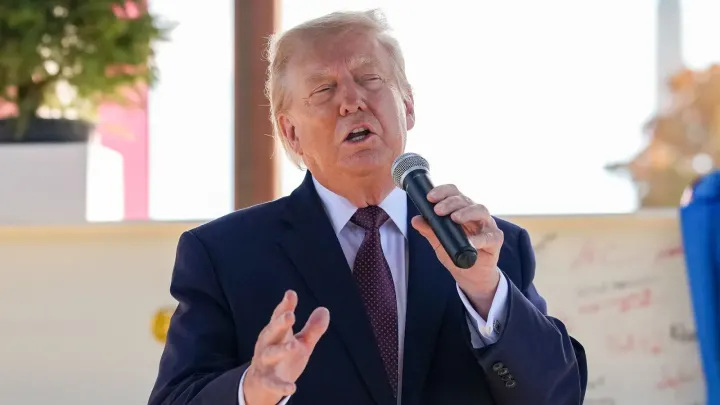
Nevertheless, any major political disruption introduces friction, and the recent election created immense friction that complicates momentum. President Trump appeared uncertain during a recent rally, noting that industry figures were calling him for tax credits while questioning whether he should actually approve the measure to a booing crowd. Congressional Republicans remain preoccupied with internal leadership races and recriminations, leaving the tax credit proposal outside their immediate priorities while House Democrats may prefer holding off on deals until the next Congress.
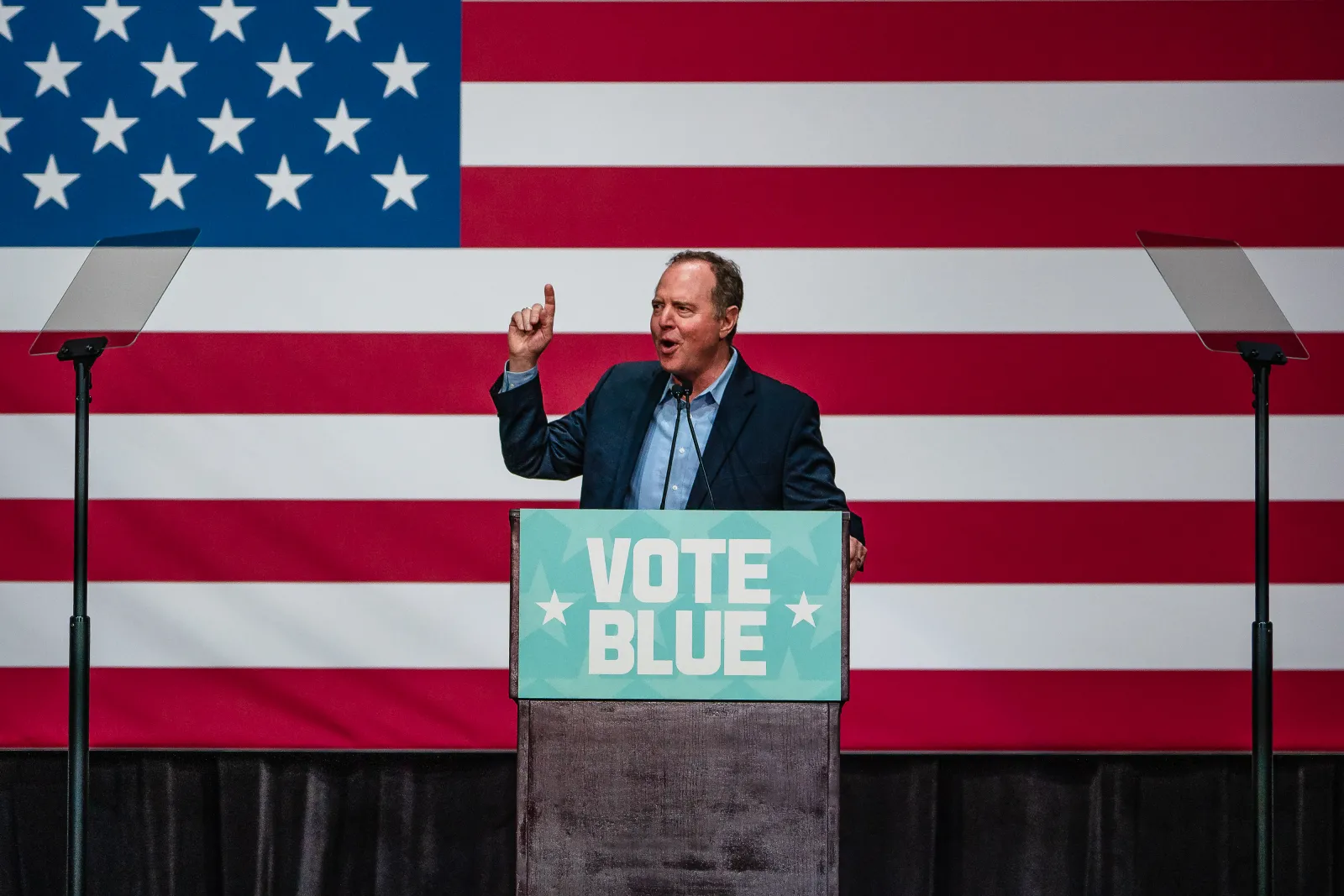
While Democrats traditionally offer stronger support to the entertainment sector, advancing the legislation in the next session would require restarting the entire legislative process. Ten of the original 31 Republican cosponsors in the House and Senate will not return next year, threatening the urgency needed to pass the measure. Adam Schiff emphasized the time sensitivity of the effort, noting that the political momentum must not bleed past the current legislative window.
Federal Communications Commission oversight under Democratic control
Democratic control of Congress will not alter the leadership of the Federal Communications Commission, but it will trigger intensified oversight of chairman Brendan Carr. Carr spent the previous two years scrutinizing broadcasters over entertainment jokes and launching official inquiries into political commentary programs, drawing sharp criticism from Democrats who view his actions as an extension of executive pressure against opposing viewpoints.
Lawmakers plan to use congressional subpoena power to investigate both past regulatory controversies and future actions taken by the agency. Whether this increased scrutiny produces substantive policy insights or merely political friction remains entirely to be seen as committees prepare for upcoming oversight hearings.
Public broadcasting funding for PBS and NPR
The Corporation for Public Broadcasting ceased operations last year after Congress eliminated 1.1 billion dollars in federal funding, threatening local station budgets and removing a vital financial pillar for PBS and NPR. Democratic majorities in the new Congress create a theoretical pathway toward restoring financial support, though any funding bill will likely ignite broader debates over perceived political bias in public broadcasting.
Media advocates argue that simply recreating the previous funding structure is insufficient for modern information needs, pressing lawmakers to construct a modernized system. Rima Dael, CEO of the National Federation of Community Broadcasters, stated that the incoming Congress must renew federal investment in public and community media following the loss of the Corporation for Public Broadcasting to build a system centered around contemporary community requirements.
Dael added that universal access to fact-based news, trusted local information, and cultural programming requires reaching audiences both on air and online across diverse languages, particularly when reliable internet access remains uneven and artificial intelligence amplifies misinformation. These proposals set the stage for intense legislative battles over the future of federally supported journalism in an era of rapid technological disruption.
Congressional investigations into media companies and executives
The House Oversight Committee faces an extensive agenda of corruption investigations that could potentially encompass corporate media decisions made throughout 2025. Potential areas of congressional inquiry include high-profile documentary deals, corporate payouts associated with defamation lawsuits, and digital deplatforming litigation involving major technology firms.
Investigators may also examine corporate lobbying efforts aimed at securing presidential approval for major media mergers, such as transactions involving Paramount and Skydance or Warner Bros. Pursuing these inquiries could spark protracted legal battles over executive privilege, potentially exposing internal corporate communications detailing how major media organizations managed their relationships with the administration.
Background
The relationship between the American entertainment industry and federal policymakers has historically involved complex negotiations over intellectual property, trade, antitrust enforcement, and regulatory compliance. Hollywood studios frequently rely on federal lawmakers to advocate for international copyright protections and to secure localized tax structures that keep production jobs within domestic borders rather than losing them to foreign competitor jurisdictions.
At the same time, broadcast networks and cable operators operate under strict licensing oversight managed by the Federal Communications Commission, making regulatory appointments and congressional committee oversight critical factors in their daily business operations. Changes in congressional majorities routinely alter the investigative priorities of key panels like the House Oversight Committee, shifting the focus toward corporate governance, media consolidation, and political speech regulations.
What happens next
Lawmakers and industry lobbyists will focus on the remaining legislative calendar for the current congressional session to determine whether bipartisan priorities like entertainment tax credits can cross the finish line before the turnover. Meanwhile, congressional leadership committees are preparing their investigative agendas and subcommittee assignments in anticipation of the upcoming legislative session.
Broadcasters and public media advocates will continue pressing lawmakers for stable funding models and transparent regulatory policies as federal agencies adjust to new congressional oversight dynamics. The resolution of these legislative items will depend heavily on how quickly the newly elected Congress organizes its leadership and establishes its primary policy objectives for the remainder of the presidential term.