Andy Burnham Declines To Rule Out Taxpayer Money For Commonwealth Nations
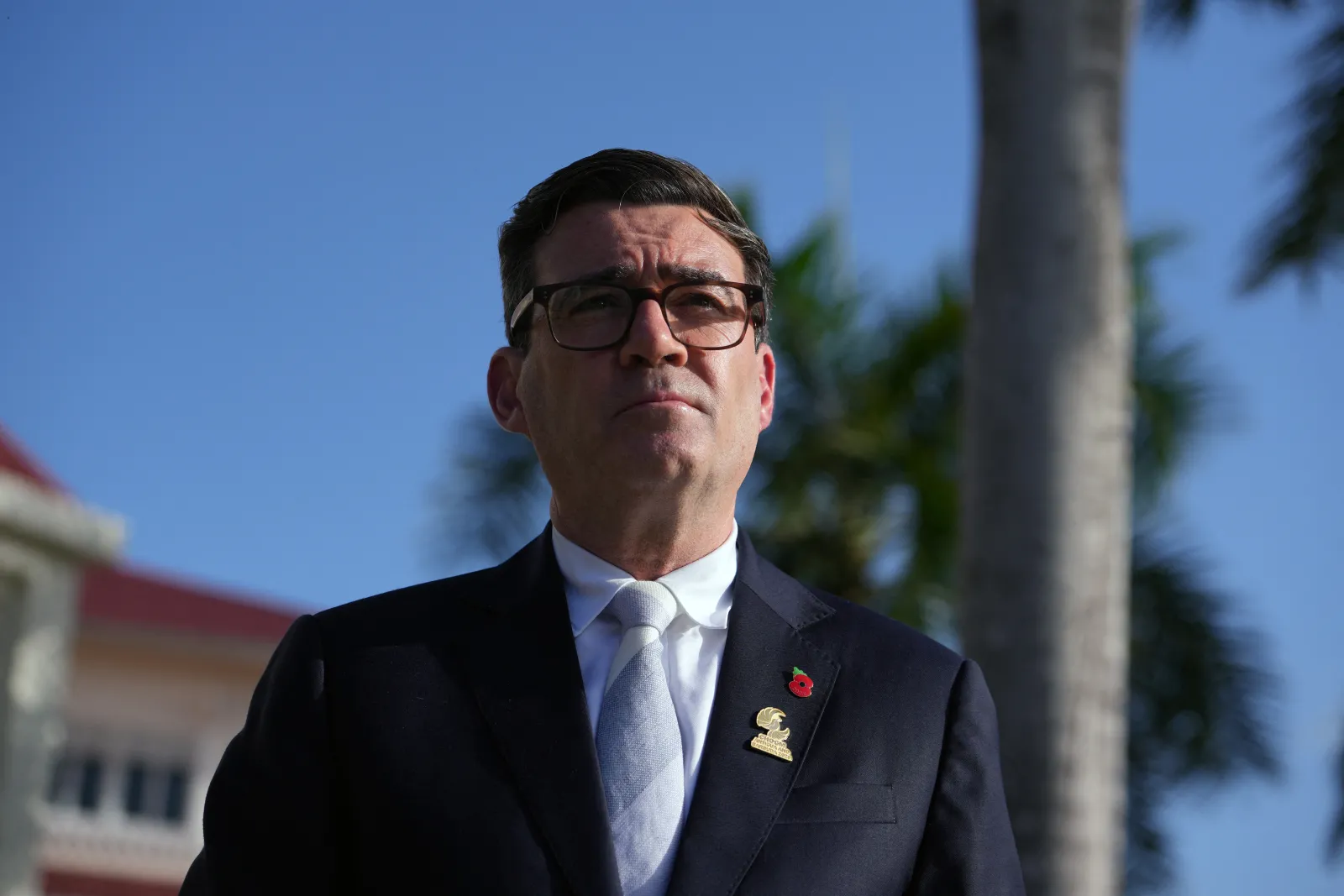
Andy Burnham has declined to rule out the possibility that UK taxpayers money will be directed toward Commonwealth countries amidst an ongoing political row regarding historical slavery. Prime Minister Andy Burnham has historically maintained that Britain will not pay formal financial reparations for its past involvement in the transatlantic slave trade.
When pressed on whether his future policy approach would completely exclude any expenditure of public funds, the Prime Minister stated, "I've been very clear that we do not support reparations." Addressing queries concerning potential extra financial contributions, Andy Burnham added, "What we need to have is that meaningful dialogue where we take time to listen."
The Prime Minister emphasized the economic significance of the international bloc, noting that the Commonwealth remains a vital trade partner in a reciprocal arrangement. Trade volumes between the United Kingdom and the broader Commonwealth have expanded notably over the past year, prompting arguments that continued engagement directly benefits British economic growth.
Recent disclosures revealed that the Prime Minister committed £40m toward various Caribbean projects, which include targeted green-energy initiatives. Andy Burnham is also formulating strategies to assist impoverished Commonwealth members currently struggling with escalating debt servicing costs.
Shifting Foreign Policy And The Commonwealth Partnership
These financial commitments form a core component of a broader strategy intended to revitalise the partnership encompassing 56 member states. During the Commonwealth Heads of Government Meeting, the Prime Minister repeatedly declined to explicitly rule out the allocation of taxpayer funds to international partners.
By contemplating targeted investments directed toward African and Caribbean healthcare systems, the administration is shifting established foreign policy approaches. Longstanding UK governmental policies concerning the transatlantic slave era traditionally avoided formal apologies while sidestepping financial demands to maintain stability in official diplomatic agendas.
By indicating an openness toward a formal acknowledgement, the Prime Minister has elevated expectations among various Commonwealth leaders regarding potential future negotiations. Andy Burnham remarked that supporting developing Commonwealth nations with debt challenges and green financing aligns with the historical actions of successive administrations.
Political Backlash And Royal Responses At CHOGM
Conservative Party Leader Kemi Badenoch criticized the Prime Minister for purportedly placing undue pressure on the monarch by hinting at potential formal apologies. Mrs Badenoch asserted that the head of government acted imprudently during the diplomatic summit.
Despite the political friction, sources indicated that Buckingham Palace was not surprised by the statements issued by the Prime Minister. During the proceedings, the King delivered an address reminding delegates of the historical role played by the Royal Navy in dismantling the slave trade.
The monarch stated during his address, "We cannot change the actions of those who came before us. We can, however, learn from the past. The transatlantic trade in enslaved persons still casts a shadow over these islands and other members of our Commonwealth." The King added that the historical chapter generates profound personal sorrow while highlighting the courage required to abolish the international trade.
Background On The Commonwealth And UK Financial Commitments
The Commonwealth of Nations operates as a voluntary association of 56 independent member countries, the vast majority of which possess historical ties to the British Empire. Headquartered in London, the organisation promotes international cooperation, economic development, and democratic governance among its diverse membership spanning Africa, Asia, the Americas, Europe, and the Pacific. Economic ties within the bloc facilitate billions of pounds in annual cross-border trade, serving as a significant diplomatic channel for the British government.
Financial assistance and developmental aid delivered by the United Kingdom to developing nations typically flow through established governmental channels such as the Foreign, Commonwealth and Development Office. These funds target global challenges including climate resilience, poverty alleviation, healthcare infrastructure, and sustainable economic growth. Recent policy discussions have increasingly focused on how international financial institutions address escalating debt burdens carried by developing nations across the Global South.
Diplomatic Precedents Regarding Historical Reparations
The debate surrounding historical reparations for the transatlantic slave trade involves complex legal, moral, and economic arguments advanced by various international bodies and Caribbean nations. Organisations such as the CARICOM Reparations Commission have consistently campaigned for formal apologies and developmental assistance from former colonial powers. British administrations across successive decades have maintained a consistent stance against direct financial reparations, citing legal complexities and the passage of time since the abolition of slavery in the nineteenth century.
Recent diplomatic summits have nonetheless seen shifting approaches toward developmental partnerships, focusing on collaborative investments in green energy, educational grants, and healthcare infrastructure. Proponents of these modern frameworks argue that targeted financial cooperation helps address contemporary economic disparities without establishing formal compensation mechanisms for historical injustices.