Energy generation in the United States has increasingly turned into a cultural battleground where citizens divide themselves over fossil fuels, solar panels, and wind turbines. For many conservative Americans, loyalty to oil and gas represents a rejection of liberal environmental policies, while progressives view electric vehicles and rooftop solar as symbols of moral virtue. Yet, one reliable power source remains completely tribeless and largely overlooked by the general public. Geothermal energy avoids the political polarization associated with other power sources by offering benefits that appeal to both sides of the political spectrum.
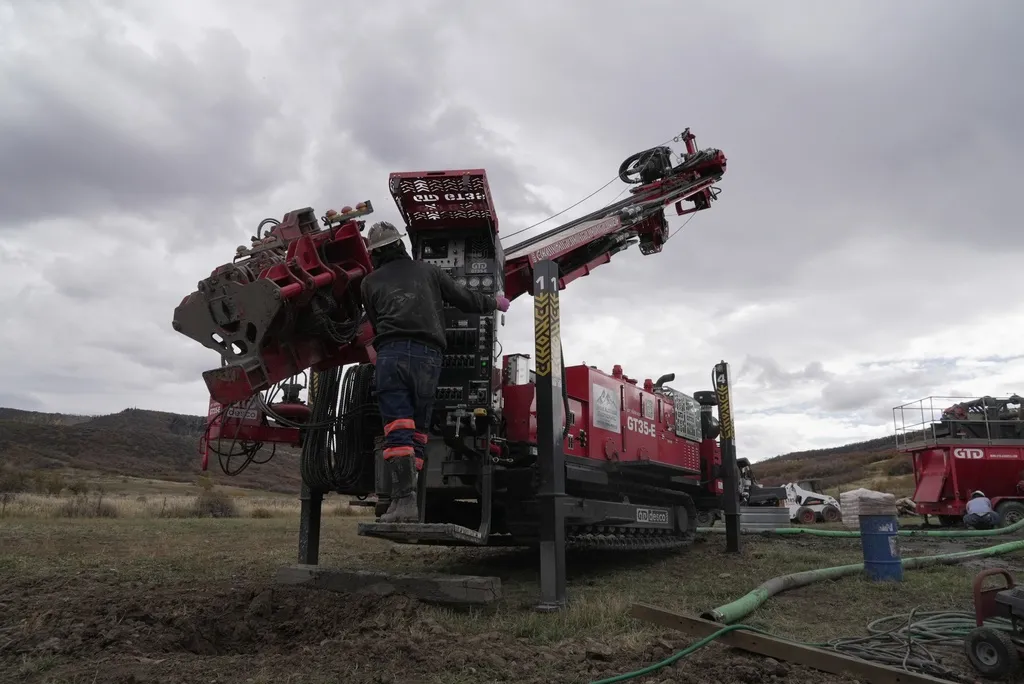
Geothermal power uses the natural heat generated within the Earth to produce electricity without requiring massive quantities of fuel to be extracted and burned. This method produces very little carbon and disturbs minimal land compared to traditional energy sources, satisfying environmental advocates who prioritize climate protection. At the same time, the extraction process relies on domestic drilling techniques that appeal directly to proponents of American energy independence. Unlike intermittent renewable sources, geothermal generation operates continuously throughout the day and night regardless of weather conditions.
Despite these distinct advantages, geothermal production currently accounts for just 0.4 percent of total electricity generation across the United States. Studies indicate that the Earth contains enough subterranean heat to supply up to 20 percent of American power demands by 2050. The primary obstacle preventing widespread adoption is not a lack of natural resources, but rather the high cost and inefficiency of reaching underground thermal reservoirs. Government regulations and cumbersome permitting processes significantly increase the time, financial cost, and operational risk associated with developing new sites.
Federal agencies supposedly provide a fast lane for low-impact projects on public lands through mechanisms known as categorical exclusions. These fast-track reviews are intended for modest geothermal exploration activities that cause virtually no lasting environmental disturbance to the surrounding landscape. Companies often request permission merely to insert small underground probes and retrieve them shortly afterward. However, the regulatory process frequently stalls, leaving exploration projects waiting several months or even more than a year just to receive initial authorization.
Bureaucratic rules create a paradoxical system where more rigorous environmental assessments and impact statements have legally mandated completion deadlines of one to two years, while categorical exclusions lack any statutory time limits. Recent research reveals that 8 percent of geothermal categorical exclusions take longer than a year to process. Such prolonged delays discourage commercial investors and private developers from taking financial risks on early-stage exploration. Establishing strict deadlines for categorical exclusions would remove unnecessary bottlenecks and allow the energy sector to expand domestic power production efficiently.
Background on Geothermal Power and United States Energy Policy
Geothermal electricity generation relies on capturing steam or hot water from underground reservoirs to drive turbines that produce electricity. The United States has historically led the world in installed geothermal capacity, with major power plants operating in western states such as California and Nevada. The Geysers complex in California represents the largest known field of geothermal power plants in the world. Despite this early leadership, federal land management agencies have historically prioritized oil, gas, and coal leasing over geothermal development, resulting in complex bureaucratic hurdles for companies attempting to access public lands.
The Role of Federal Permitting Laws in Energy Development
Federal land use is heavily governed by environmental statutes such as the National Environmental Policy Act, which requires federal agencies to assess the environmental impacts of proposed actions. Categorical exclusions were created to exempt routine actions that do not individually or cumulatively have a significant effect on the human environment from detailed environmental reviews. While oil and gas drilling operations often benefit from streamlined administrative pathways or dedicated legislative carve-outs, geothermal exploration frequently gets caught in extended administrative queues. Industry advocates and congressional leaders have repeatedly debated legislative reforms to modernize federal land leasing and shorten review timelines for renewable energy projects.