British Gas has restarted force-fitting prepayment meters in customers homes as struggling households face another huge energy bill hike. The supplier can once again install the pay-as-you-go devices against customers wishes to recover unpaid bills after the energy regulator lifted an almost four-year block. It comes just months after British Gas agreed a settlement worth more than £100million over its treatment of vulnerable households.
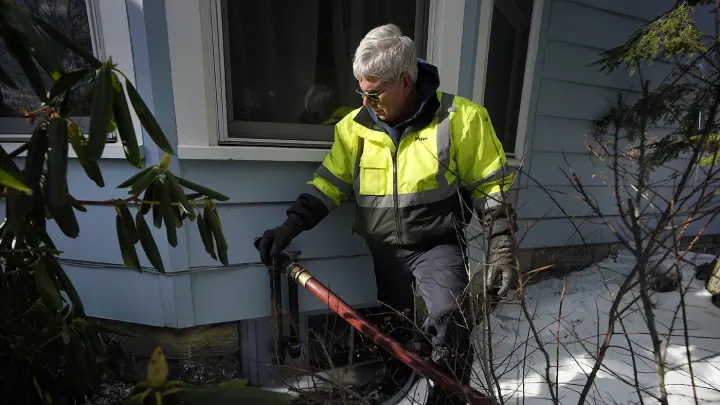
The scandal erupted in 2023 after a Times investigation revealed debt collectors working for the supplier had forced meters into the homes of vulnerable customers. These included people with severe mental health problems and physical disabilities. Now British Gas can resume installations, but strict rules mean forcing someone onto prepayment must be a last resort. Forced fittings in homes with young children or people over the age of 75 is still banned.
Campaigners have warned the move could pile more pressure on families already worried about falling behind this winter. British Gas has defended recovering unpaid bills, with household energy debt forecast to exceed £7billion. The supplier said unpaid debt adds around £80 to the average household energy bill. But being behind on payments does not give an energy firm free rein to force a meter into your home.
The return of forced installations comes as households face the prospect of another sharp rise in energy costs. EDF predicts the energy price cap could jump by 27% from January 2027, taking a typical annual bill from £1,723 to £2,192. That would mean an extra £469 a year for a household using a typical amount of energy. And there could be more pain to come.
The supplier forecasts that typical annual bills could reach £2,389 from April 2027, before falling from July. The predictions follow a surge in wholesale gas prices amid conflict in the Middle East. However, the increases are forecasts, not confirmed price cap changes. Ofgem updates the cap every three months, limiting the unit rates suppliers can charge for gas and electricity. It is not a cap on your total bill, as the more energy you use, the more you pay.
Which energy suppliers can forcibly fit prepayment meters
British Gas is the latest supplier to get the green light to restart force-fitting prepayment meters, according to Ofgem. It joins a string of energy firms allowed to install the pay-as-you-go devices without customers permission. The full list includes British Gas, Fuse, So Energy, Ecotricity, Good Energy, OVO Energy, Utilita, Utility Warehouse, E.ON, Tru Energy, EDF, Octopus, and Scottish Power.
Being on the list does not give suppliers free rein to force you onto prepayment. They must still follow strict rules, including making at least 10 attempts to contact you and carrying out a welfare visit to check whether a meter would be safe and suitable. Forced switches must be a last resort, and certain vulnerable households must not be switched at all. The protections also apply when suppliers switch an existing smart meter to prepayment mode remotely.
Compensation for affected prepayment meter customers
Compensation will be handed out to customers who were affected between 2018 and 2021. It is not yet clear how many customers will be compensated. Some customers who were affected between 2022 and 2023 have already been offered compensation by British Gas. You may get a pay out if you are among the vulnerable households that had prepayment meters fitted without their permission.
If you are due compensation, you will be contacted by British Gas so you do not need to take any action for now. The compensation will be credited or paid directly to you. British Gas has a year to make sure all affected customers are compensated. The Sun understands the amount each customer receives will depend on their individual experience.
This can range from goodwill payments of up to £60, £250 for insufficient debt support or unfair treatment, £500 for vulnerability not considered and £1,000 for inappropriate installation or remote switch to a prepayment meter.
Understanding how prepayment meters work
There are two main types of energy meter in British homes. A standard meter tracks how much gas and electricity you use and a supplier will set your bill based on these numbers and how much they charge for each unit of energy. Another option is a prepayment meter. This is where you effectively pay-as-you-go for your energy and top it up using a key, card or app.
Around 4.3million people in the UK are on prepayment meters. They are often installed in homes that have fallen into debt so a customer can manage their bills better or by landlords in some rental properties. Users have to top up a prepayment meter in advance in the same way you would make sure you have enough credit on a pay-as-you-go phone. You can usually top up these meters at recognised PayPoint and Payzone shops or at the Post Office. Depending on the provider, you may also be able to make top-ups through an app.
Using a prepayment meter can be more expensive than a standard meter. This is because the tariffs on offer from suppliers are usually more expensive than standard meter deals. However some people find that a prepayment meter helps them plan their spending and avoid surprise bills.
Background on the energy debt crisis
Household debt across the United Kingdom energy sector has grown substantially over recent years. Energy suppliers faced mounting financial pressures following global supply chain disruptions and geopolitical tensions that affected wholesale gas markets. Regulators implemented strict temporary bans on forced installations of prepayment meters after investigative reports exposed aggressive tactics by debt collection agencies operating on behalf of major energy suppliers.
What happens next for energy bill payers
Energy suppliers must adhere to revised guidelines set out by the energy regulator before executing any forced installations. Regulatory bodies plan to monitor compliance closely across all participating companies. Consumers facing financial difficulties are encouraged to contact their respective energy providers early to discuss debt management plans and avoid extreme measures.