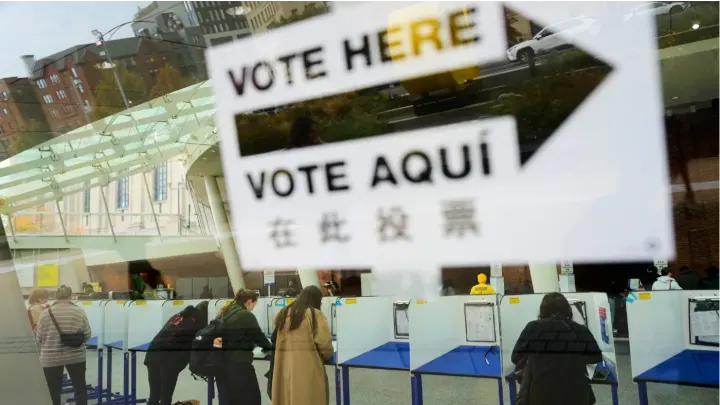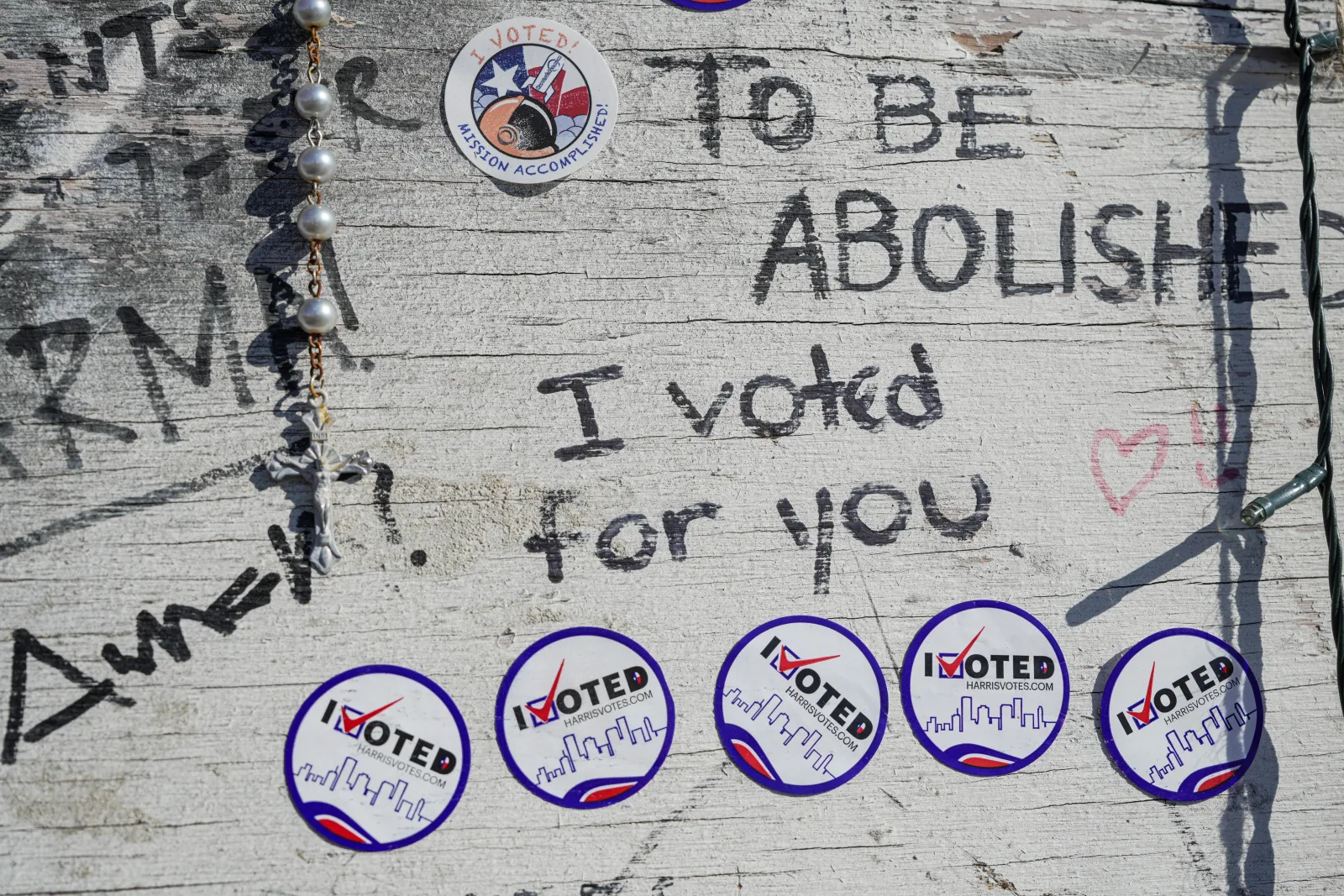
In Texas, voters placed "I Voted" stickers at Lorenzo Salgado Araujo's memorial, honoring a man whose life was taken by the very government he had no vote to choose. The act captured the spirit of a movement that has taken hold in Latino communities across the country: We vote because they can't.
What the Memorial Protest Means for Immigrant Communities
For immigrant and mixed-status families, the recent Democratic wins in this election cycle represent more than party politics. They signal the possibility of accountability, a restoration of constitutional protection, and a shift in how the United States treats people who have long lived in its shadows.
Who Is Speaking on the Need for Reform?
Veronica Cardenas, a former assistant chief counsel for ICE and now an immigration attorney and founder of Humanigration, has spent her career inside the enforcement system under three presidential administrations. She now represents the people facing the system and is frequently asked: what changes are coming now?
Restoring Constitutional Protections for Noncitizens
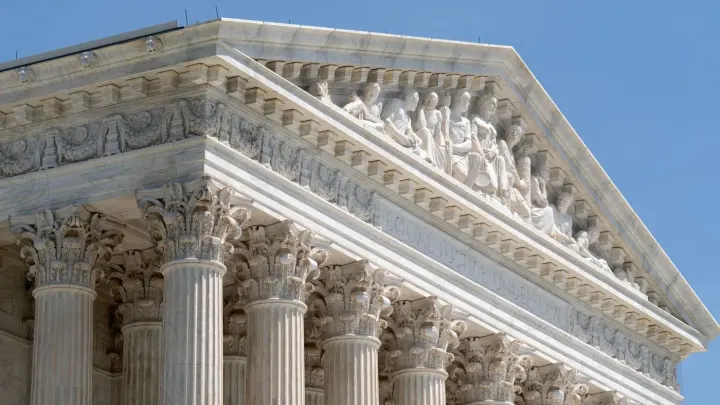
To protect noncitizens, Democrats must impose meaningful limits on immigration enforcement. The first step is confronting the so-called "Kavanaugh stops," a practice that grew after Justice Brett Kavanaugh's concurrence in Noem v. Vasquez Perdomo. That decision opened the door to immigration stops based on a mix of factors, including perceived ethnicity, language, occupation and location.
Accountability After Recent Tragedies
Democrats have demanded accountability following the deaths of Alex Pretti and Renee Good and the shooting of Marimar Martinez by immigration officials. With majority control of Congress, they now possess the oversight powers and funding authority needed to turn those demands into action. They can insist on independent investigations into excessive force, unlawful arrests and constitutional rights violations, and press for referrals to prosecutors where evidence justifies criminal charges.
Changing the Enforcement Culture at DHS
Ongoing scrutiny is essential to shift an enforcement culture within the Department of Homeland Security that has operated with little restraint since January 2025. Sustained pressure could lead to fewer detentions, fewer deaths, and more humane conditions for those who remain in custody.
State and Local Influence: The Role of Texas Governor Gina Hinojosa
Perhaps the biggest change will come from state and local officials. Gina Hinojosa, Texas's first Latina governor, holds significant influence in a state that has become a battleground over immigration. While she cannot rewrite federal immigration law, she can shape how Texas implements it.
Section 287(g) and Its Expansion
Section 287(g) of the Immigration and Nationality Act allows Immigration and Customs Enforcement to authorize state and local officers to perform certain federal immigration enforcement functions. The program has expanded dramatically as the federal administration pushes to increase immigration arrests, with a publicly stated goal of 3,000 a day. It brings immigration enforcement into everyday policing, turning traffic stops for minor violations into potential pathways to detention and deportation. For many noncitizens, a trip to buy coffee can end in family separation through ICE detention and deportation.
Hinojosa's Stance on Senate Bill 8
In June 2025, Hinojosa voted against Senate Bill 8, a Texas law that required sheriffs in counties that operate or contract for a jail to enter immigration enforcement agreements with ICE. Undoing that expansion will require more than an executive order. State law, existing agreements and sheriffs' independent authority limit what she can accomplish alone.
How Hinojosa Can Influence Enforcement
Hinojosa has argued that border security does not require targeting longtime members of our communities. She can put that distinction into practice by pressing lawmakers to repeal mandatory 287(g) participation, scrutinizing state spending, and challenging the use of Texas resources in abusive enforcement operations. The question now is how far she will go, and whether the legislature will follow.
Potential Obstacles from the Federal Level
The road ahead will not be easy. President Trump could veto federal immigration reform legislation. His administration could further delay the adjudication of affirmative immigration petitions, including marriage-based petitions that allow families to remain together. His enforcement policies could continue to face little restraint.
What Comes Next for Democrats?
With sustained pressure, Democrats could begin to see fewer people detained, fewer deaths and more humane conditions for those who remain in custody. A secure border does not require abandoning due process or accepting cruelty as the cost of enforcement.
Why the Movement Matters
As Democrats revel in the aftermath of the blue tsunami, they must not take their attention away from the work that immigrant communities elected them to do. "We vote because they can't" is a promise that must be extended beyond Election Day.
Veronica Cardenas is a former assistant chief counsel for ICE turned immigration attorney and founder of Humanigration.
Background: Immigration Law and Enforcement in the United States
Immigration law in the United States is governed by the Immigration and Nationality Act, a federal statute that sets the framework for who may enter, remain, or be removed from the country. The Department of Homeland Security, through its Immigration and Customs Enforcement division, is responsible for enforcing those rules. Over the past decade, enforcement practices have evolved, with increased collaboration between federal, state and local agencies under programs such as Section 287(g). Critics argue that these partnerships blur lines between law enforcement and immigration control, leading to overreach and violations of civil liberties.
Background: The Kavanaugh Stops Doctrine
The Kavanaugh stops doctrine emerged after a 2021 Supreme Court case, Noem v. Vasquez Perdomo. In that case, the Court upheld the authority of immigration officers to stop individuals based on a composite of indicators, including ethnicity, language proficiency and occupation. Justice Brett Kavanaugh's concurrence emphasized that such stops could be justified if multiple factors suggested a high likelihood of immigration violations. The doctrine has since been cited in numerous enforcement actions, sparking debate over its constitutionality and impact on minority communities.
Background: Texas Politics and Immigration
Texas has long been a focal point for immigration policy. The state's large border with Mexico and significant immigrant population make it a key arena for enforcement initiatives. In recent years, Texas lawmakers have passed several measures aimed at tightening immigration controls, including the controversial Senate Bill 8. The election of Gina Hinojosa, a former Texas attorney general and a Latina, marks a historic moment that could influence the state's approach to immigration enforcement.
What Happens Next?
Democratic lawmakers in Congress are expected to introduce legislation that expands oversight of DHS and imposes stricter limits on immigration enforcement. State and local officials, led by Governor Hinojosa, may push to end mandatory participation in Section 287(g) and reallocate resources toward community services. Legal challenges to current enforcement practices are likely to increase, and court rulings may further shape the balance between security and civil rights.
Links to Related Stories
- Trump and Democrats Brace for Major Fight Over Congressional Oversight
- Senate Democrats Seek to Use Funding Deadline to End Iran War
- Democrats Push to Hold Big Tech Accountable Amid AI Surge
Key Points
- Texas voters honored Lorenzo Salgado Araujo with "I Voted" stickers at his memorial.
- Democrats aim to restore constitutional protections for noncitizens by limiting enforcement practices like Kavanaugh stops.
- Section 287(g) allows state and local officers to perform federal immigration duties, expanding enforcement into everyday policing.
- Governor Gina Hinojosa voted against Senate Bill 8, opposing mandatory ICE agreements for Texas sheriffs.
- Future challenges include federal vetoes, delayed immigration petitions, and continued enforcement pressures.
Why It Matters
Immigrant families across the United States face increased risk of detention, family separation and violations of their constitutional rights. The actions of Democrats and state officials will directly influence the safety, dignity and legal protections of these communities.
FAQ
- What are Kavanaugh stops? They are immigration enforcement stops based on multiple indicators, such as ethnicity and language, endorsed by Justice Brett Kavanaugh in a Supreme Court concurrence.
- What is Section 287(g)? A provision of the Immigration and Nationality Act that authorizes state and local officers to perform certain federal immigration enforcement functions.
- How can Texas Governor Hinojosa influence immigration enforcement? By pressing lawmakers to repeal mandatory 287(g) participation, scrutinizing state spending and challenging the use of Texas resources in abusive enforcement operations.