In 2018, House Democrats captured 41 seats by arguing that Republicans, led by an unpopular president, had granted sweetheart tax deals to a corrupt industry that harmed ordinary citizens. That year's target was the health insurance sector; this election, Big Tech has become the primary focus of campaign messaging.
Democrats warn that returning to Washington's status quo would betray voters' mandate for tech accountability, erode public trust, and damage the party's prospects in 2028.
Campaign Ads Highlight Tech Concerns
Between 2020 and 2024, Democrats and their allies ran only two campaign advertisements that mentioned Big Tech. In 2024, more than 130 federal and statewide races incorporated tech themes, including 74 % of the Democratic Congressional Campaign Committee's Red to Blue contests, 86 % of Senate toss-ups and 100 % of gubernatorial toss-ups.
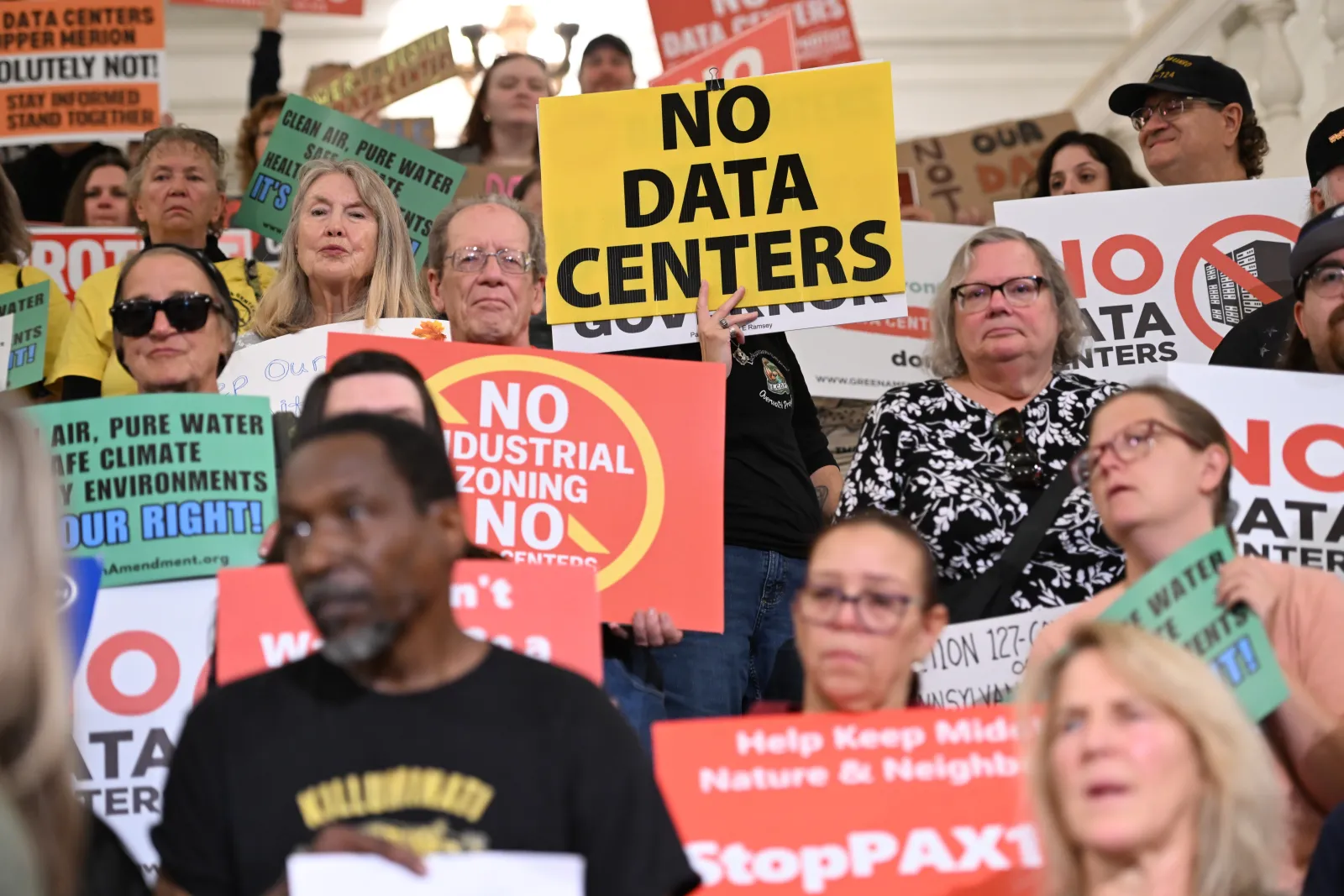
Estimates indicate that data-center messaging accounted for over $170 million in advertising spend. Candidates urged pauses on new data-center construction, warned about AI risks, and linked Republican opponents to the industry in language once deemed extreme. An SSRS exit poll found that 56 % of voters considered AI and data centers crucial or a major factor in their voting decision.
Voter Sentiment on Big Tech
Voters have witnessed tech giants donate seven-figure sums to President Trump's inauguration and support his political machine. The Trump administration halted federal investigations into the tech industry after the sector became the primary financier of a controversial White House adjacent ballroom. Big Tech secured desired tax breaks while millions of Americans saw healthcare benefits cut to fund these projects and experienced rising energy bills.
Trump publicly denounced data-center opponents and labeled AI skeptics "THE ENEMY."
In January, six in ten voters expressed that the industry wielded excessive influence in Washington, and two-to-one ratios believed the Trump administration was too cozy with Big Tech.
Democratic Advantage on AI Issues Grows
Democrats' lead on handling AI's impact increased from 8 points in the summer to 12 points in September. Americans now trust Democrats more than Republicans on key concerns such as healthcare, cost of living, and technology. Data scientist David Shor noted that AI's importance rose in a single week this fall more than it had in the previous year.
Why Tech Matters for All Americans
Data centers contribute to higher power bills, and Big Tech's market dominance allows them to charge consumers more than competitors. AI and automation affect jobs, transforming the economy and creating new roles. Rural communities and the environment feel the impact as data-center farms consume farmland, deplete aquifers for cooling, and spur new fossil-fuel plants. Meanwhile, a few tech billionaires accumulate wealth while ordinary citizens face the consequences of these changes.
Strategic Plan for the Next Two Years
Democrats propose to govern as they campaigned: use legislation to regulate AI, expose Big Tech practices, force Republicans to choose voters over donors, and bring tech CEOs before Congress to answer for harmful products and corrupt data-center deals. The goal is to build a robust agenda that extends into the 2028 election.
Legislative Agenda for AI and Data Privacy
Key proposals include a comprehensive social media, data-privacy, and AI safety bill that holds companies accountable, blocks attempts to ban state AI laws, and mandates that Big Tech, not families, fund data-center construction. The bill would require companies profiting from AI to pay their fair share, with revenues earmarked for rebuilding infrastructure damaged by neglect and by Elon Musk's DOGE-related disruptions.
Ensuring Workers Benefit from AI
The strategy emphasizes that workers displaced by AI should share in the wealth it creates. New public-works projects would generate jobs, and AI would be harnessed for public good, creating a technology sector answerable to citizens rather than shareholders. The plan also calls for the industry to contribute to a clean-energy future, helping stabilize the grid.
Long-Term Impact on the Democratic Movement
By making Big Tech answer to the public and ensuring technology serves all Americans, Democrats aim to secure a coalition capable of winning the White House in 2028. The movement would offer a lasting roadmap for unlocking national potential and achieving a future of high achievement.
Sacha Haworth is founder and CEO of the Tech Oversight Project. She is a veteran of Democratic campaigns all over the country, working for the Democratic Congressional Campaign Committee, House Majority PAC, and on Capitol Hill.
Background: The Rise of Tech in Politics
For decades, technology companies have grown from niche software firms to global conglomerates with billions in revenue. Their influence expanded through lobbying, campaign contributions, and the creation of data-intensive infrastructures such as cloud services and artificial intelligence. In recent years, concerns over data privacy, misinformation, and market dominance have led to increased public scrutiny.
The 2020 presidential election highlighted the role of social media platforms in shaping public discourse. Subsequent investigations revealed that targeted political advertising could manipulate voter perceptions. These events set the stage for the 2024 election, where tech policy became a central issue.
In 2024, the Democratic Congressional Campaign Committee allocated a significant portion of its budget to ads focusing on AI safety and data-center regulation, reflecting the party's commitment to tech accountability. The party's messaging strategy was informed by polling data indicating that a majority of voters considered AI and data centers as critical factors in their voting decisions.
Meanwhile, the Republican Party's stance on tech regulation has varied. Some members advocate for deregulation to promote innovation, while others support targeted oversight to protect consumers. The divergent viewpoints have intensified the political debate over how best to manage the rapid growth of AI and data-center technologies.
What Happens Next?
Democrats plan to introduce bipartisan legislation in the next congressional session that addresses AI safety, data privacy, and data-center construction. The bill will include provisions for independent oversight panels, penalties for non-compliance, and incentives for companies that adopt responsible practices. If passed, the legislation would set a new national standard for technology governance and could influence international policy frameworks.
Should the bill succeed, it would likely trigger a series of regulatory reforms across state and federal levels, prompting tech companies to adjust their operations. The policy shift could also stimulate investment in green data-center technologies, reducing environmental impact and supporting the transition to clean energy.
Related Coverage
For more on the political implications of tech policy, see Democrats Win Midterms But Face Supreme Court Hurdles Against Trump and House Democrats Cry Foul After Republicans Fast Track Veterans Bill.