Democrats Prepare for Oversight Battles
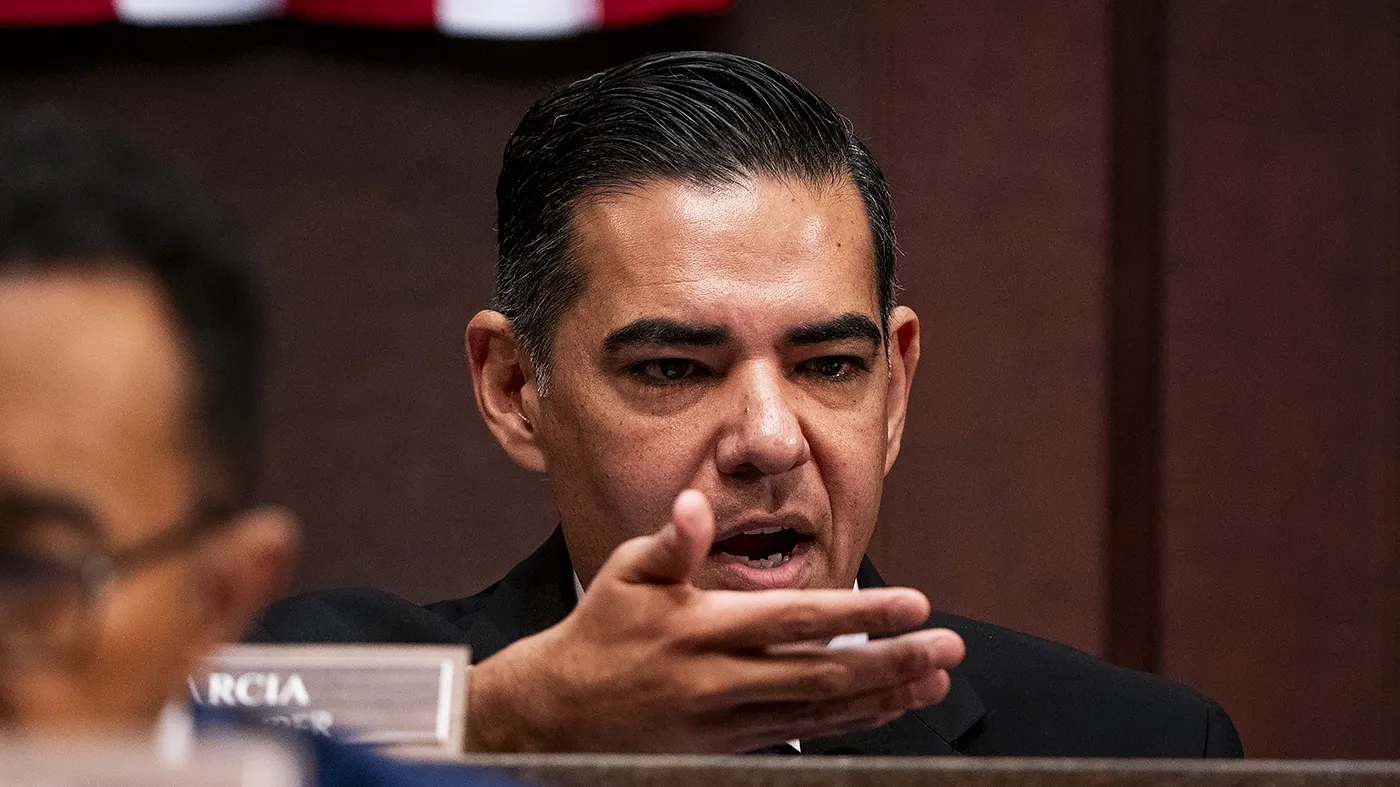
Democrats are readying for a major clash with the White House and the Department of Justice following a series of letters to legislative leaders stating that the administration intends to block incoming probes. Rep. Robert Garcia, the House Oversight Committee ranking member and incoming chair, stated during an interview with CNN that Congress must use all of its power and that Democrats are willing to turn to the courts.
Garcia noted that voters across the country demanded affordability and an end to government corruption. He emphasized that his party holds a mandate to address corruption, specifically pointing to the Trump family.
Clashes Between Lawmakers and Prosecutors
A White House letter to Garcia warned that incoming probes could become criminal in nature, marking just one piece of recent correspondence. Aaron Reitz, the U.S. attorney for the Southern District of Texas, accused Sen. Richard Blumenthal on Wednesday of terrorizing entities after the senator contacted donors to President Trump's ballroom construction project and other renovations. Reitz directed Blumenthal, the incoming chair of the Senate Permanent Subcommittee on Investigations, to preserve records for a potential criminal probe, prompting the senator to demand the same from the attorney.
Both factions have accused the other of overreaching in an escalating conflict before a single subpoena has even been issued. Rep. Jamie Raskin, set to lead the House Judiciary Committee, argued that the administration is overstating its powers and setting itself up for embarrassment.
Legal Powers and White House Pushback
The law largely favors incoming Democrats because Supreme Court rulings have upheld investigative powers of Congress, statutes bar the obstruction of these efforts, and lawmakers enjoy broad protections from the speech or debate clause. However, the letters highlight mounting pressure from the White House to resist upcoming inquiries. Reitz issued his letter after Bloomberg News reported on a tense Department of Justice call with the nation's 93 U.S. attorneys, which referenced a wartime stance and told appointees to prepare to resign if they refuse to execute administration orders.
Reitz criticized Blumenthal by writing that it is extraordinary for an elected official to intimidate citizens engaging in philanthropic practices that benefit the nation. This letter drew scrutiny due to questions regarding the jurisdiction a Houston-based U.S. attorney holds over a lawmaker.
Defense From the Administration and Republican Concerns
Blumenthal, a former U.S. attorney, countered that Reitz is the one approaching criminal behavior, calling the threats a misuse of prosecutorial power and a weaponization of the Department of Justice for political purposes. White House counsel Will Scharf defended the outreach during an appearance on Newsmax, stating that investigations cannot be used to inflict pain on government officials or for self-aggrandizement.
Incoming House Minority Leader Jim Jordan expressed fears that Democrats will pursue a third impeachment, target Cabinet members such as Secretary of War Pete Hegseth, and go after individuals in the private sector. Democratic priorities include continuing the Epstein files investigation and examining ways the Trump family may have profited from the presidency through crypto ventures and pardoned donor contributions.
New Majority Powers and Court Litigation
Returning to the majority gives Democrats the ability to issue subpoenas and grants them renewed access to the courts to file litigation on behalf of the House. Garcia stated he is prepared to bring litigation if the White House refuses to comply with subpoenas, noting that the party can pursue civil and criminal contempt through the courts rather than relying on the Trump Department of Justice.
Several party members view the administration's correspondence as an encouraging sign that their work is threatening Trump. Rep. Stephen Lynch stated that the pushback indicates Trump is bothered by the prospect of congressional oversight into his conduct after years of receiving carte blanche from a Republican-led House and Senate.