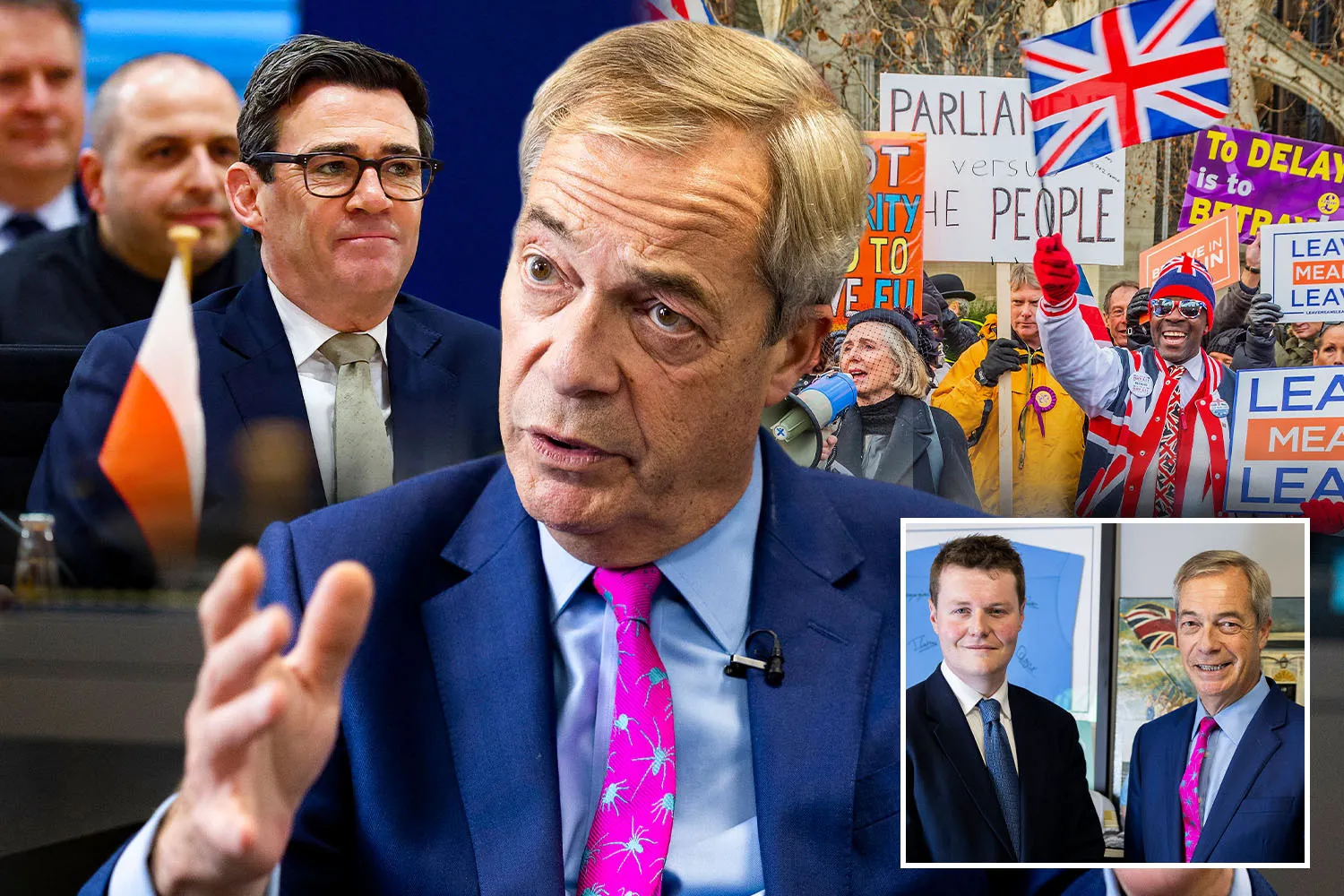
Nigel Farage, leader of the Reform Party, has cautioned that Britain could experience riots if Prime Minister Andy Burnham reverses his Brexit position. Farage criticised the PM's "cynical" bid to move closer to the European Union, arguing that it would erode voter trust in democracy. The warning came after Burnham hinted that Britain could re-join the EU at the next election, a suggestion that has reopened old battle lines on the country's relationship with Brussels.
Farage's Warning on Potential Riots
In an interview with The Sun, Farage said, "What really upsets me, makes me angry actually, is the biggest democratic vote in history is about to be unravelled by a man with no mandate." He added that he was "enormously worried" about the impact on democracy if Burnham's suggestion of re-joining the EU were to be pursued. Farage warned that the growing frustration among young people could lead to street protests, stating, "I'm sorry to say that I do sense that is growing out there."
Farage emphasised that he would never encourage direct action, but he recognised that "some young people online are having this debate." He described the situation as deeply disturbing, noting that repeated promises and betrayals on key issues such as borders and control could push citizens to take to the streets.
Burnham's Brexit Re-entry Suggestion
Prime Minister Burnham has opened old battle lines on Brexit by suggesting that the UK could "go all the way" to full membership in the European Union. While Downing Street today insisted the PM has "not proposed rejoining the EU", he had previously said in September that the country could pursue a full return to the EU. Burnham's comments have sparked backlash from both sides of the political spectrum.
Farage criticised the PM's stance as a "cynical" attempt to win Liberal Democrat voters, saying he had "probably given me the biggest political opportunity for many, many years." He also noted that the Reform Party has fallen in the polls since last year, slipping back to joint-second with the Tories and seven points behind the PM, according to Politico's poll of polls.
Reform Party's Position and Farage's Response
Reform has long positioned itself as the voice of those who voted to leave the EU in the 2016 referendum. Farage, who spent his early political career campaigning for a Brexit, has accused successive governments of "betraying" the referendum result. He warned that the PM's suggestion of re-joining the EU could undermine the legitimacy of the democratic process and erode public trust.
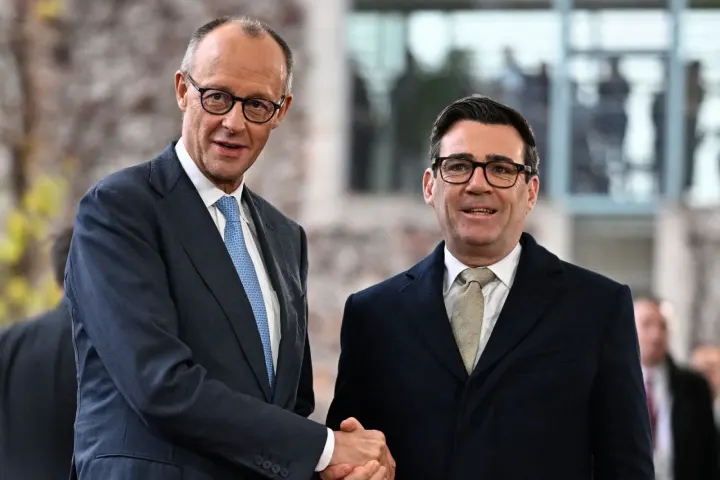
Farage declined to unite with the Tory leader Kemi Badenoch's new Stay Out campaign group, stating that it was a Conservative-led operation. He said, "I won't be getting involved in this... there will be other campaigns." The PM, who is in Brussels on Friday for a crunch EU summit, has ruled out returning to freedom of movement in this Parliament but has opened the door to it at a later point. Instead, he will use the talks to strike a Youth Mobility Scheme to allow a certain number of under-30s to live and work in the UK. Farage branded the policy "the beginning of total open door immigration".
Potential Impact on Democracy
Farage said, "What is the point of voting if governments do the opposite to what they say they're going to do again and again and again?" He added that "our democracy's at a very fragile point" and that a growing number of young people think direct action may be the only way forward. The Reform leader highlighted that repeated betrayals on key issues such as borders, control, and governance could lead to a loss of faith in the democratic system.
Farage's Personal Stakes and Future Plans
Despite speculation that he might step back from politics, Farage said he would fight the next election as Reform leader if he was "still here and fit and healthy". He admitted that there had been "self-inflicted wounds" in the past year but maintained that he was still in the running to become the next prime minister. Farage also revealed that his family has been "very upset" about the threats he faces, especially after the killing of Ann Widdecombe. He said, "These are very thoughtful moments, but, you know what? If I'm not here doing this job right now, who else could? Who else would? I don't see that person. So I'm gonna do it."
What Happens Next?
Burnham's comments have reignited debate over Britain's future relationship with the EU. While Downing Street has denied any concrete plans to re-join, the Prime Minister's suggestion that the country could pursue full membership has sparked controversy across the political spectrum. The Reform Party's polling position remains uncertain, but Farage remains committed to challenging the current government's approach to Brexit and democracy. The upcoming EU summit in Brussels will likely determine whether the UK will pursue a Youth Mobility Scheme or take further steps toward re-integration with the EU.
Background: The 2016 Referendum and Brexit Wars
The 2016 referendum on the United Kingdom's membership in the European Union was a historic vote that saw 52.0% of voters choose to leave the bloc. The result triggered a series of negotiations, political realignments, and public debates over sovereignty, immigration, and economic policy. Over the past seven years, successive governments have grappled with delivering on the referendum promise, leading to divisions within parties and the public. The Reform Party, founded in 2019, emerged as a vocal opposition to the UK's departure, positioning itself as the guardian of the referendum's outcome.
What This Means for Voters
Voters who supported the leave vote may feel betrayed if the government pursues a path back to the EU, while those who voted to remain may be concerned about the implications of a re-entry strategy. The debate over the UK's future relationship with Brussels continues to shape public opinion, with the Reform Party calling for a clear, democratic decision on the matter. The potential for street protests or riots, as warned by Farage, underscores the heightened emotions surrounding the issue.