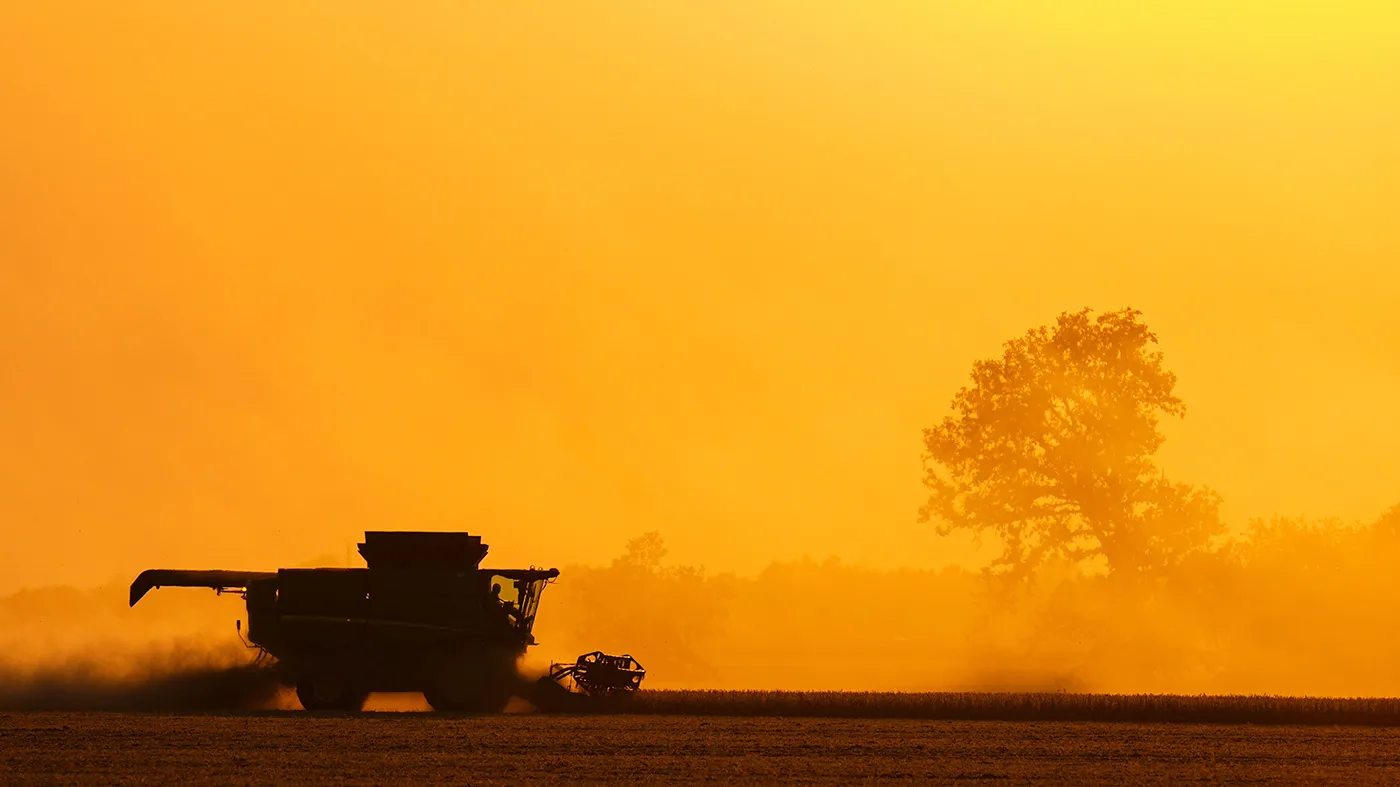
Farmers, a crucial Republican voting bloc, face soaring production expenses from the Iran war, diesel at about $6.35 per gallon and higher fertilizer prices, putting their support at risk ahead of next week's midterm elections.
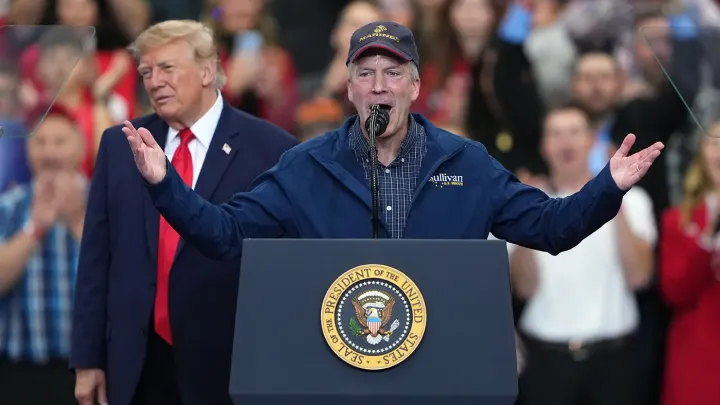
The Trump administration has rolled out assistance packages to shore up the electorate, yet concerns remain about turnout. "Yes, I think they're nervous. Yes, I think they should be, and yes, I think that farmers are pretty ticked off," former Minnesota Republican Senate majority leader Amy Frederiksen said.
Frederiksen added that farmers "don't want to vote for a lot of the Democrats' nonsense" and want to back Republicans but feel unheard. Republican candidates in Ohio, Iowa, Kansas and Nebraska are confronting tighter races and have pressed the administration to curb rising costs.
Trump captured 69 percent of the rural vote in 2024, but recent KFF and Associated Press polls show roughly six in ten rural voters disapprove of his economic handling, naming cost of living as their top issue.
A April American Farm Bureau Federation survey found 94 percent of farmers say their financial situation has worsened or stayed the same from last year.
Despite the discontent, the KFF/AP poll indicates rural Republicans still trust the GOP on healthcare and cost-of-living matters, suggesting some may skip the polls rather than vote Democrat.
"I think you'll see some poll to Democratic candidates, but I also heard a number of people tell me that they just don't feel like they can support anybody in this election," said Nick Levendofsky, director of the Kansas Farmers Union.
Rural policy expert Brian Reisinger called the vote "the biggest test yet of the Republican Party's standing in rural America," warning that turnout could dip or swing to blue-collar Democrats.
Trump announced an $8 billion Harvest Fuel Relief Program to offset diesel costs during harvest, while Vice President Vance unveiled a $1.3 billion investment in fertilizer plants in Nebraska.
Trump also promised year-round E15 fuel if Kansas Senator Roger Marshall is re-elected, and an executive order increased red-dye diesel availability for farm equipment.
Levendofsky called the measures "too little, too late" and a last-ditch Hail Mary. Iowa Farmers Union president Aaron Lehman said the relief is a Band-Aid that does not fix the problem.
Nebraska communications partner Ryan Horn expects Republican voters will still turn out but doubts the announcements will shift decisions.
The White House defended the moves, with Anna Kelly blaming former President Joe Biden for trade deficits and higher input costs, and praising Trump's trade deals, tax cuts and rural opportunity zones.
Reisinger urged candidates to link policies to both short- and long-term rural needs, warning that taking the rural vote for granted could backfire.