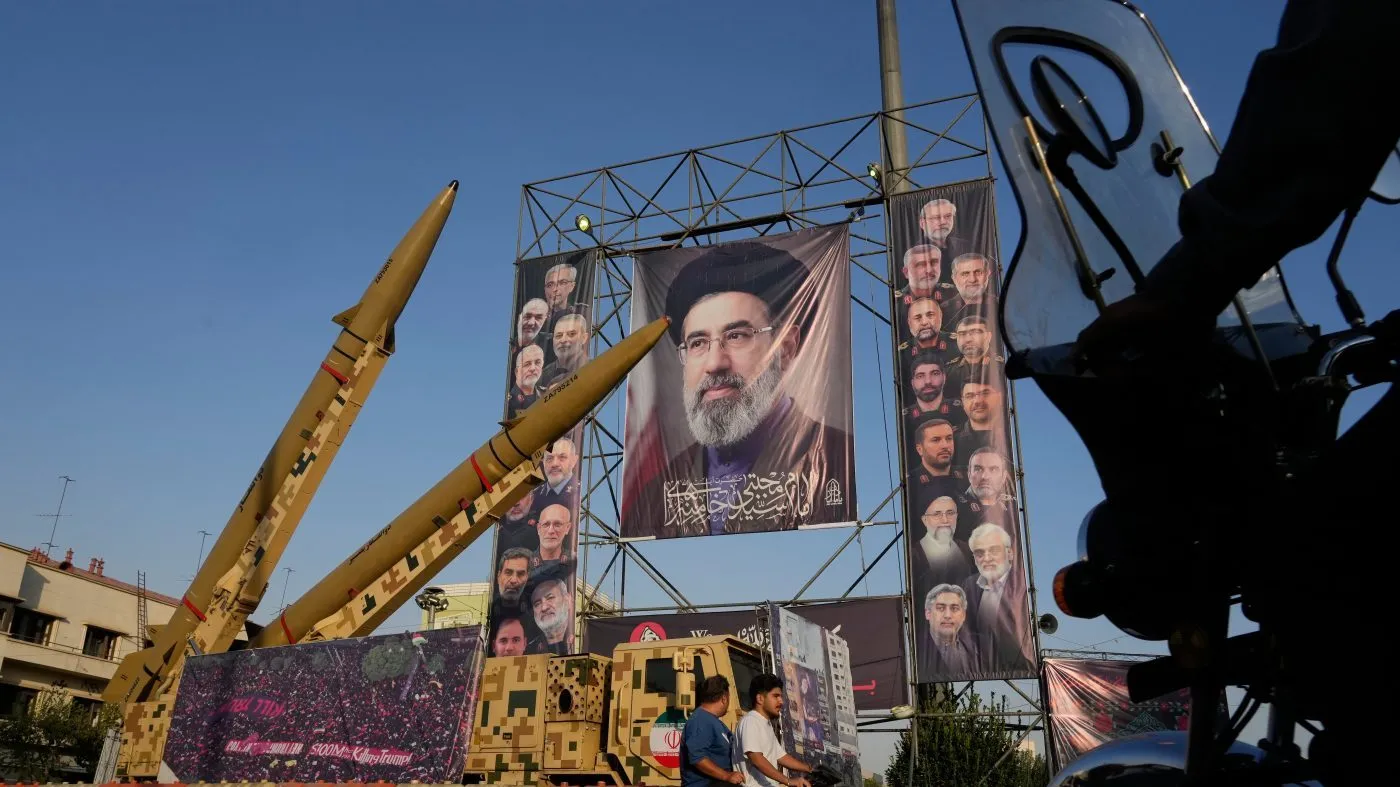
A U.S. intelligence report released Monday alleges that Iran is preparing a dirty bomb attack aimed at senior Trump administration officials in Washington, D.C. The claim has prompted swift statements from the White House and Homeland Security, while Iranian officials have dismissed the allegations as fabricated.
According to CNN, U.S. intelligence agencies have identified Iranian plans to detonate a chemical weapon that mixes conventional explosives with radioactive material. The alleged targets include high-ranking U.S. officials, and the plot reportedly involves specific locations within the capital. The intelligence sources said the planning is part of a broader strategy to keep options open as the conflict in the Middle East continues.
The United States has been warned that a dirty bomb, also called a radiological dispersal device, poses a unique threat in densely populated urban areas. Washington, D.C. houses nearly 700,000 residents and attracts tens of thousands of commuters daily, making it a potential target for mass-disruption attacks.
Allegations and Intelligence Findings
Washington's intelligence apparatus reportedly uncovered evidence that Iran has hidden bomb-making materials within the United States. The process of assembling a dirty bomb is considered relatively straightforward, according to experts, which raises concerns about the ease with which such a weapon could be deployed.
Sources familiar with the latest intelligence told CNN that the Iranian plan is not necessarily an imminent attack but rather a contingency option as the war in the Middle East drags on. Another intelligence line suggests Tehran may target U.S. service members, diplomats, and intelligence personnel stationed abroad, a claim first reported by The New York Times.
While a dirty bomb is far less destructive than a conventional nuclear device, it can spread radioactive contamination over a wide area. The explosion itself may not cause mass casualties, but the resulting panic, property damage, and cleanup costs could be significant. The Nuclear Regulatory Commission notes that most radiological dispersal devices would not release enough radiation to kill people, but the psychological impact could be severe.
White House and Homeland Security Response
The White House issued a statement to CNN saying the United States is "monitoring any and all potential threats, but at this time there are no credible threats to the homeland."
President Trump, speaking at the Association of Southeast Asian Nations summit in Manila, Philippines, said officials were taking the threat seriously. He warned that Iran would "pay a price the likes of which no country has ever paid before" if it attacked Washington. Trump added, "I hope it's not, but we take it very seriously, because they happen to be crazy."
Homeland Security Secretary Markwayne Mullin also addressed the report on CNBC's "Squawk Box." He described Iran's planning as "aspirational" and not a new threat, while emphasizing that any Iranian attack on the homeland would trigger "an all-out war" with the United States. Mullin stated, "That means we are going to use all the resources, not air resources, but all the resources to go in and destroy you."
Iranian Denial and Retaliatory Threats
Iran has strongly denied the allegations. Foreign Ministry spokesperson Esmaeil Baghaei called the claims "baseless" and a "fabricated media narrative" in a post on X. He accused the U.S. and its allies of "manufacturing a veneer of legitimacy for further aggression and atrocities." Baghaei added, "Iran knows well how to respond to any act of aggression and ensure that it is met with an unforgettable response."
Foreign Minister Abbas Araghchi also dismissed the report, labeling it "Iraq War-style propaganda." He compared the U.S. claims of weapons of mass destruction in Iraq to the current allegations, suggesting the narrative is a repeat of past misinformation campaigns.
What Is a Dirty Bomb?
A dirty bomb, or radiological dispersal device, combines conventional explosives with radioactive material. The primary goal is to spread contamination rather than cause mass casualties. The explosion can disperse radiation over several blocks or miles, creating fear and requiring costly cleanup. The Nuclear Regulatory Commission classifies such devices as weapons of mass disruption rather than weapons of mass destruction, emphasizing contamination and anxiety as their main objectives.
Background: Iran and U.S. Relations
Iran and the United States have been adversaries since the 1979 Iranian Revolution, which overthrew the Shah and installed the Islamic Republic. Over the past four decades, the two nations have engaged in a series of confrontations, including the Iran–Iraq War (1980-1988), the U.S. invasion of Iraq in 2003, and the ongoing conflict in Syria. Sanctions, espionage, and proxy wars have kept the relationship tense.
In recent years, Iran has pursued a nuclear program that the United States and its allies have condemned as a threat to regional stability. The 2015 Joint Comprehensive Plan of Action (JCPOA) aimed to curb Iran's nuclear ambitions, but the U.S. withdrew in 2018 under President Trump, reimposing sanctions and escalating tensions.
These strained relations set the stage for the current allegations. Analysts note that Iran's development of unconventional weapons, including chemical and radiological capabilities, has been a subject of concern for U.S. intelligence agencies for years.
Implications for U.S. Security
The alleged dirty bomb plot underscores the vulnerability of the United States to asymmetric threats. While traditional military conflicts have dominated U.S. defense planning, the rise of non-conventional weapons has prompted a reevaluation of homeland security measures.
Experts say that the ease of assembling a dirty bomb, often using readily available materials, requires robust monitoring of both chemical and radioactive substances. The potential for domestic recruitment of operatives further complicates prevention efforts.
Next Steps and Diplomatic Outlook
The U.S. intelligence community is reportedly expanding its surveillance of Iranian activities, both domestically and abroad. The White House has urged Congress to review counter-terrorism funding and to strengthen interagency cooperation.
Diplomatic talks aimed at resolving the conflict in the Middle East have stalled again, even as President Trump maintains that the war is essentially over. The lack of progress in negotiations could prolong Iran's search for strategic options, including the alleged dirty bomb plan.
Key Takeaways
- U.S. intelligence claims Iran plans a dirty bomb attack targeting senior Trump administration officials in Washington, D.C.
- The plan involves specific locations and is part of a broader contingency strategy amid ongoing Middle Eastern conflict.
- Iran has denied the allegations, calling them fabricated and threatening a strong response.
- White House and Homeland Security officials assure the public that no credible threat currently exists but emphasize vigilance.
- Dirty bombs spread contamination, create panic, and require extensive cleanup, though they are less destructive than conventional nuclear weapons.
Related Stories
For more on U.S. security and international tensions, see Finland trains conscripts for drone and tank threats near Russian border and Jensen Huang resignation from Nvidia threatens AI economy.