Sex Pistols' 1976 Debut Sparks Punk Revolution
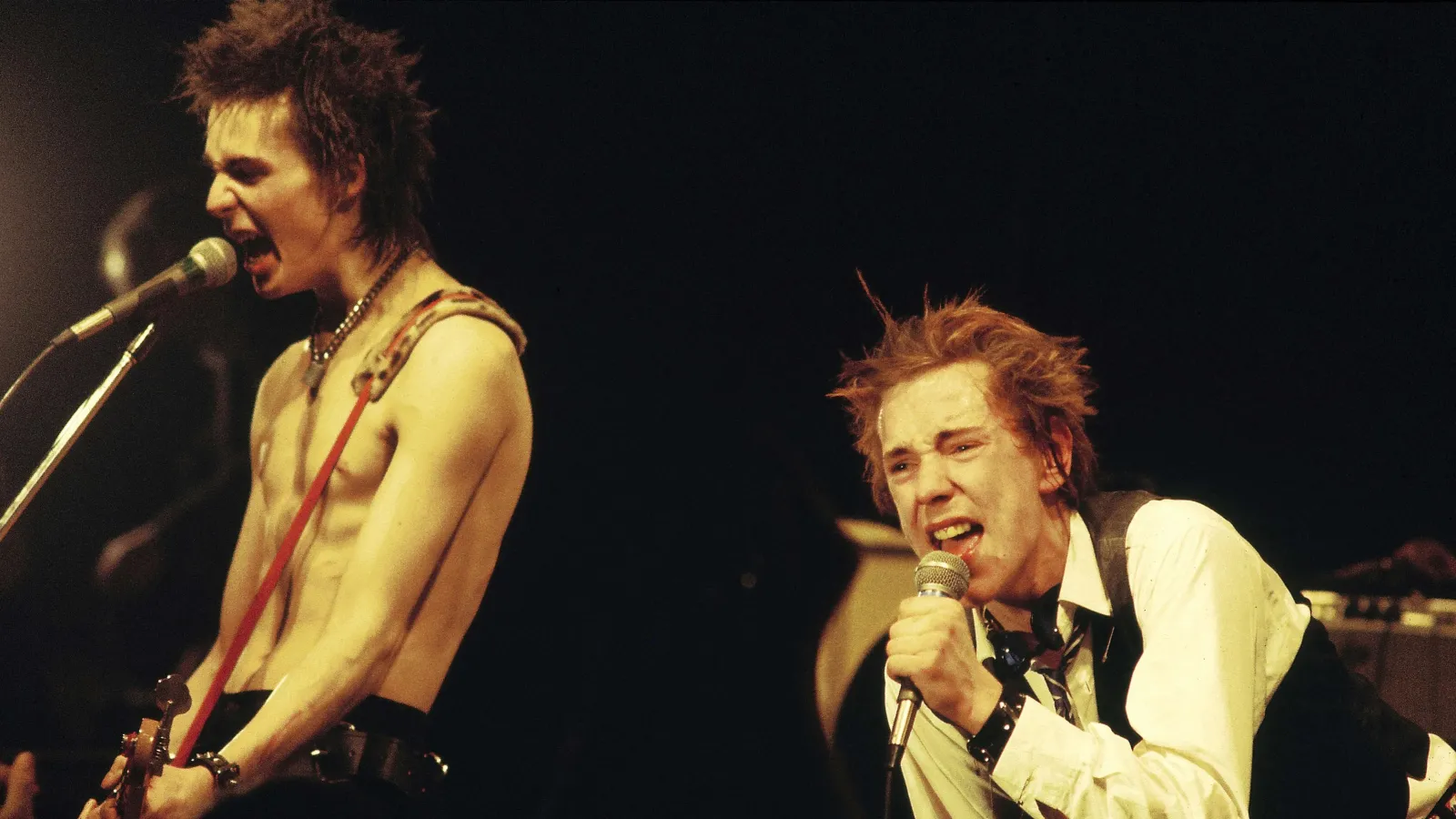
John Lydon, known on stage as Johnny Rotten, shouted, "I wanna destroy," into a microphone in 1976, unaware that the Sex Pistols would forever alter Britain. The single Anarchy In The UK marked the start of the punk movement.
Within months the group was dropped by their label for swearing on television, and fans across the country began wearing ripped clothing fastened with safety pins. The band's 1977 single God Save The Queen was played on a Thames river boat during Queen Elizabeth II's Silver Jubilee, leading to their arrest.
John Lydon's Reflections on a Living Nightmare
Now 70, Lydon says he has no fondness for his time in the band, describing it as a living nightmare. He acknowledges that, as a working-class Londoner raised in a two-up, two-down with an outside toilet shared with the street, the opportunity to escape factory work was significant.
He told The Sun, "Anarchy in the UK, they released it, they banned us, I didn't think it was any big deal, I don't suppose any of us did. We were more shocked than anybody that the whole damn thing exploded the way it did. There was no great masterplan."
Rise and Fall of the Punk Scene
In 1976 Britain faced protests, youth unemployment and economic stagnation. The Sex Pistols, formed by drummer Paul Cook and guitarist Steve Jones, pre-dated punk as a concept, with Lydon joining as frontman in 1975. By summer 1977 they had a large following, inspiring bands such as The Clash, Buzzcocks and The Damned.
Their song Anarchy In The UK reached No.38 on the singles chart but earned a controversial interview on ITV's Today with Bill Grundy. Grundy was suspended after Lydon and Jones used profanity on live TV, and the show ended two months later.
Legal and Personal Turmoil
EMI dropped the band a month after the TV interview, and a brief A&M deal collapsed due to the Pistols' rowdy conduct. Lydon was unhappy with manager Malcolm McLaren and the band's direction, saying, "First joining the band was a living nightmare, and then all the way through it was a living nightmare. Tragedies and idiocies."
Sid Vicious's heroin overdose in 1979, two years after Lydon replaced Glen Matlock on bass, was a personal tragedy. Lydon noted Vicious's upbringing and the influence of American heroin culture, stating, "He was heading that way. He was doomed."
The band released one album, Never Mind The Bollocks, Here's The Sex Pistols, in October 1977. Police raided record stores for the album under obscenity laws, but a court ruled it was not illegal.
After the Pistols
After a final gig in San Francisco in January 1978, Lydon formed Public Image Limited (PiL), achieving post-punk success until 1992. The Pistols reunited briefly in 1996 and again for a 50th anniversary tour without Lydon, who was replaced by Frank Carter.
In 2021 Cook and Jones sued Lydon over a 2022 FX/Disney biographical mini-series about the band, a case that left him financially strained while caring for his wife Nora Forster, who died of Alzheimer's in 2023 at 80.
Lydon said, "It left me really damaged financially for a while, to try and squeeze through looking after Nora, because I became a full-on 24-7 attendee." He added, "They knew that. They knew what I was going through. So it was a wicked move."
Current Projects and Legacy
He has stopped drinking after Nora's death, focusing instead on recording PiL's twelfth album, Actual Intelligence, and writing his memoir Archive, which is now available. He has toured Britain discussing his life, often breaking into tears when speaking about Nora.
Lydon declined to appear on The Celebrity Traitors, stating, "I can't tell a lie." He remains critical of the Pistols' replacement and of newer bands he views as imitators.
He concludes that punk's spirit endures: "The spirit will always be there. It's that do-it-yourself spirit, you know, rather than wait for rich parents to buy you a guitar."
- John Lydon: Archive is available from various book retailers now and details of his spoken word tour can be found at johnlydon.com