In a surprising turn, Defense Secretary Pete Hegseth escaped a possible impeachment vote on Wednesday because 11 Democratic members of the House were absent. The procedural motion that was passed by a 211-204 margin kept the impeachment case in limbo until the next Congress, scheduled to convene on January 3, 2027.
What Happened in the House
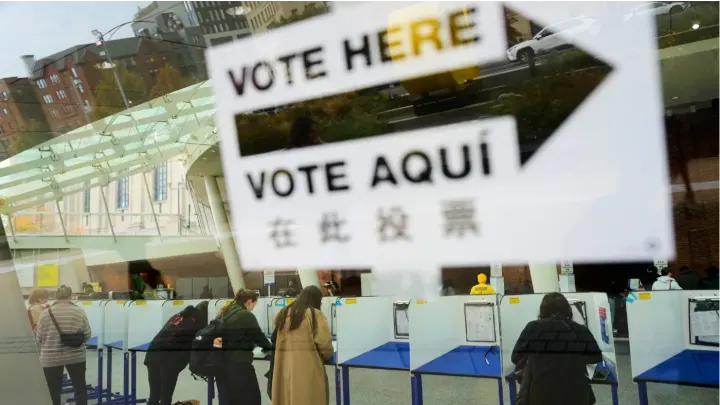
The vote took place after a mid-term election that reflected voter frustration over the Iran conflict. Rep. Hakeem Jeffries (D-NY), soon to be Speaker, had earlier told ABC that an impeachment of Hegseth was a "hard Yes." A bipartisan group had been preparing to table the impeachment, which would have forced a vote on the matter. Had the Democrats attended and voted, they would have held enough numbers to defeat the motion that postponed the impeachment, thereby forcing an immediate vote on the charges.
Why the Absence Matters
Eleven Democrats were absent from the session. Their absence meant that the House could not muster the required votes to override the procedural motion. The motion moved the case back to the House Judiciary Committee, where it could remain indefinitely. Because the current House will not be under Democratic control until 2027, the impeachment process is effectively paused for the remainder of the term.
Charges Against Hegseth
Rep. Thomas Massie (R-KY) authored the resolution that listed eight separate charges. The allegations mirror media criticism of Hegseth's conduct and include: unauthorized war actions in Iran; inadequate preparedness for Iranian attacks on U.S. supply hubs in the Persian Gulf; lethal strikes on suspected drug-smuggling vessels in Latin America; removal of top-ranking military officers; blocking senior promotions tied to diversity, equity and inclusion initiatives; retaliation against political critics such as Sen. Mark Kelly (D-AZ); and withholding Pentagon press briefings for six months, which critics say evaded public accountability for failures in the Iranian war effort.
Potential Consequences If Convicted
Should Hegseth be impeached and convicted, he would be removed from office immediately. Conviction in the Senate requires a two-thirds majority. Even with the incoming Democratic majority in 2027, a dozen Republicans would likely be needed to reach the threshold to remove him.
Reactions from Politicians
Republican members expressed mixed feelings. Some concluded that impeachment was not the proper remedy, noting that Hegseth serves at the pleasure of the president and that only President Trump could fire him. Others privately raised concerns that the impeachment articles reflected internal policy disputes rather than criminal misconduct. Vice President JD Vance defended Hegseth, calling the effort "political theater" and stating that "the question is absurd and the answer is: obviously not."
Statements from Hegseth
Following the vote, Hegseth defended himself at a Pentagon news briefing. He compared critics of his actions to critics of American troops and said, "I stand behind every one of these operations. I was proud to execute them, and I would do it again tomorrow."
Future Outlook
Jeffries said he would consult party members about a potential impeachment bid next year. He called Hegseth "the most unqualified secretary of defense in American history." Democrats remain outraged that their low attendance altered the outcome of the vote. The impeachment process will be revisited when the House returns to Democratic control in 2027.
Background on Hegseth's Tenure
Hegseth has been a controversial figure since taking office in January 2021. His policies in the Middle East, especially the decision to launch airstrikes in Yemen and Iran, have drawn criticism from lawmakers and the public. The U.S. has faced accusations of violating international law and causing civilian casualties. Hegseth's approach to counter-terrorism in Latin America has also been questioned, with reports of extrajudicial killings of suspected drug smugglers and secondary strikes on survivors.
Impact on the Defense Department
Hegseth's tenure has seen the removal of high-ranking military officers and the blocking of promotions that were perceived as supporting diversity, equity and inclusion initiatives. Critics argue that these actions undermine morale and the integrity of the armed forces. The Pentagon's decision to withhold press briefings for six months has also been cited as a lack of transparency.
What Happens Next?
When the new Congress convenes in January 2027, Democrats will have the opportunity to reintroduce the impeachment resolution. The outcome will depend on whether they can secure the necessary bipartisan support in the Senate. Until then, Hegseth remains in his post, with the impeachment case on hold.
Related Coverage
For more on the political dynamics surrounding the impeachment effort, see Democrats Push New Guardrails As AI Political Ads Surge and Democrats Must Focus on Costs After Historic Midterm Victories.
James D. Zirin is a former federal prosecutor in the Southern District of New York and a published legal analyst.