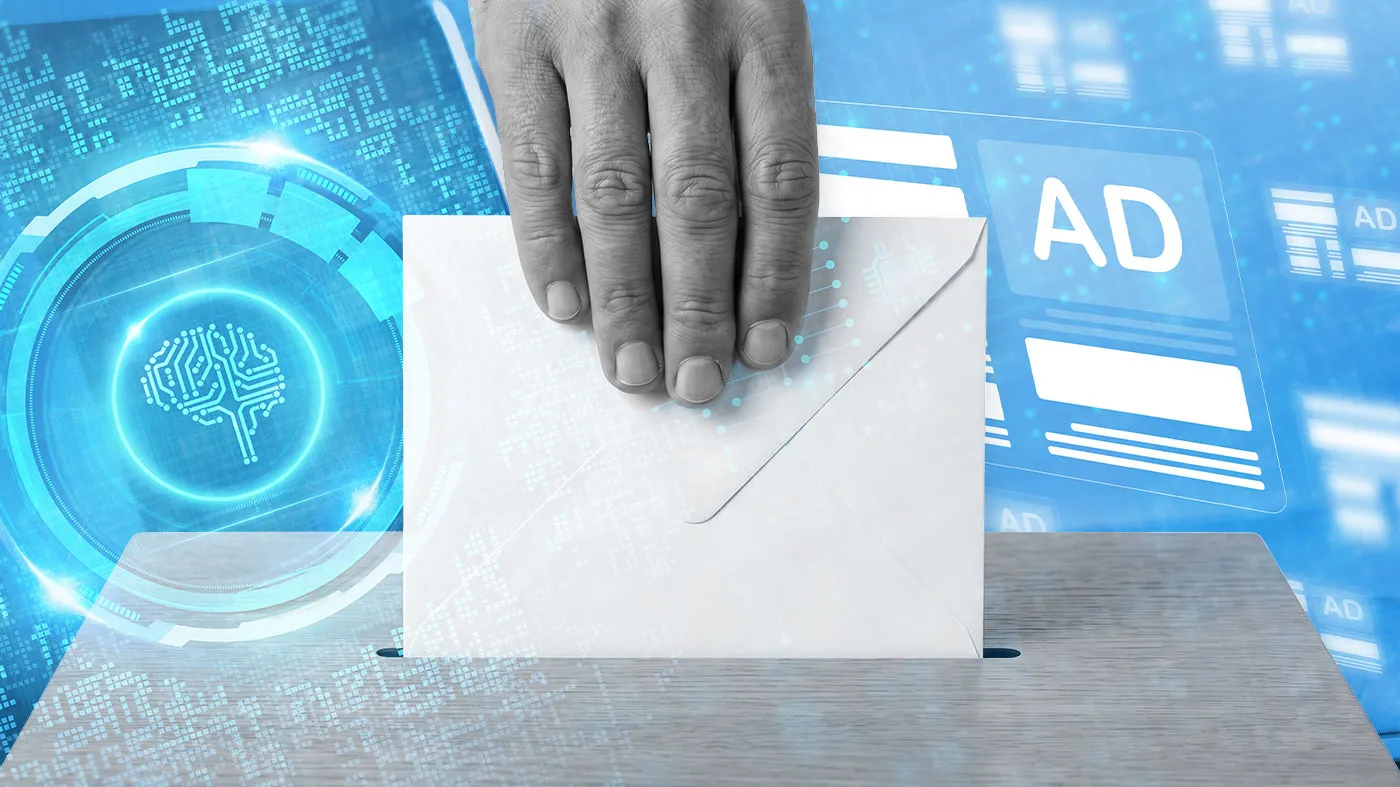
James Talarico wearing a dress, Abdul El-Sayed laughing at messages celebrating 9/11, Mike Mazzei cheek to cheek with Hilary Clinton, and Spencer Pratt fighting against Batman-world villains in postapocalyptic Los Angeles formed part of a massive wave of artificial intelligence media during recent election cycles. These deceptive visuals in actual campaign broadcasts emerged from a 2026 surge of promotional materials generated through advanced machine learning software. Certain members of the incoming Democratic majorities in Congress, responding to widespread public anxiety regarding the rapidly growing technology and data center sectors, are resolved to establish regulatory boundaries for artificial intelligence in political campaigns.
At least five distinct legislative proposals have been brought forward since March to control or prohibit the implementation of artificial intelligence within electoral promotions. These measures approach the challenge through various methods, such as requiring mandatory disclosures, enforcing total bans, or updating existing regulations to explicitly cover generative software.
Controlling these broadcasts represents only one component of a broader technology regulatory agenda that Democratic lawmakers on Capitol Hill plan to address in January. When attempting to govern artificial intelligence inside political messaging, federal representatives must carefully balance protections for free speech.
"We just have to make sure that we are protecting democracy from manipulative tools that could set off panic or disrupt the peaceful transfer of power in the United States," Rep. Yvette Clarke (D-N.Y.), who recently introduced legislation on the issue, told The Hill.
A combined total of $137 million went toward creating and broadcasting 220 artificial intelligence videos throughout the midterm cycle, according to findings from The Wesleyan Media Project (WMP). Across the country, twenty-seven states currently mandate disclaimers for machine-generated media, while four jurisdictions ban such content completely, producing a fragmented collection of state policies.
The Wesleyan Media Project determined that Republicans generated 81 percent of these synthetic broadcasts, whereas Democrats accounted for just 12 percent. Out of all the materials that appeared across 34 states, only 27 percent included any notification that the media used artificial intelligence.
Yvette Clarke brought forward the REAL Political Advertisements Act in October to enforce mandatory notices for such content. Yvette Clarke informed The Hill that synthetic media in campaign promotions spreads false information and presents a clear danger to elections in the United States.
"I was looking at some of the chat groups I was in during the election cycle and the number of AI-generated images and the information that was being shared was so distorting, it boggled the mind," Yvette Clarke said.
"You see enough of it, you hear enough of it and at the end of the day people can be deceived," she added.
During October, Rep. Shontel Brown (D-Ohio) presented a measure designed to outlaw artificial intelligence applications that deprive or defraud individuals of their voting rights. Earlier in the year, outgoing Sen. Amy Klobuchar (D-Minn.) brought back a bipartisan proposal to prohibit materially deceptive artificial intelligence use in federal contests. Sen. Jeff Merkley (D-Ore.) also submitted a proposal aimed at banning false machine-generated election media.
The AI Ads Act, sponsored by Rep. Ro Khanna (D-Calif.) and Sen. Adam Schiff (D-Calif.) in July, uses a distinct strategy by giving legal force to a Federal Election Commission ruling which dictates that synthetic media already falls under existing bans against fraudulent misrepresentation.
Sarah Binder, a senior fellow in governance studies at the Brookings Institution, explained that Democrats must assemble a unified coalition behind a single proposal, a task that remains challenging.
"It's always hard, even in a majority party, to get lawmakers to coalesce around a single version of a bill," Sarah Binder said, pointing out that party leadership will likely step in to direct the legislative path.
Challenges from Free Speech Advocates
Beyond the logistical obstacles involved in passing any statute, civil liberties organizations remain skeptical regarding government oversight of campaign broadcasts.
Cody Venzke, a senior staff attorney at the American Civil Liberties Union (ACLU), stated that the organization generally questions proposals like the one from Yvette Clarke that would require mandatory disclaimers.
"What really matters for these laws is for lawmakers to ensure that they're not burdening the political speech of your average citizen," Cody Venzke said, noting that such legislation must be narrowly written.
He acknowledged, however, that a required label faces fewer constitutional hurdles under the First Amendment than a total prohibition. Cody Venzke noted that individual states have repeatedly attempted to outlaw false political speech without success, a pattern that could impact the ongoing debate over machine-generated content.
Lawmaker Concerns Over Voter Manipulation
Despite legal hurdles, federal representatives continue expressing worry over how the technology influences voters who lack awareness of its origins.
Rep. Adelita Grijalva (D-Ariz.), who co-sponsored the bill introduced by Shontel Brown, told The Hill that she fears both public manipulation and the risk that individuals might falsely label authentic materials as synthetic when disagreeing with them. She argued that broadcasts using artificial intelligence should at least follow standard disclosure rules similar to those identifying who funds traditional political spots.
"Minimally making sure that they have to meet the same criterion, regulations as other campaign ads is something that I am absolutely in favor of," Adelita Grijalva said.
Rep. Suhas Subramanyam (D-Va.) told The Hill that if lawmakers decide to mandate notifications, disclaimers must appear prominently even on mobile device screens.
"I don't want a small three second clip at the end of the video or a small disclaimer that's hard to see if you're viewing it on your phone," Suhas Subramanyam said. "I would want it to be very clear to the point that the person might not even want to do it."
Yvette Clarke noted that she drafted her legislative proposal while keeping constitutional free speech protections in mind.
The New York legislator mentioned she has not yet spoken with leadership but intends to pursue passage aggressively before the 2028 presidential election cycle accelerates.
"We're all entitled to free speech, but we don't have to be susceptible to deception," Yvette Clarke said.