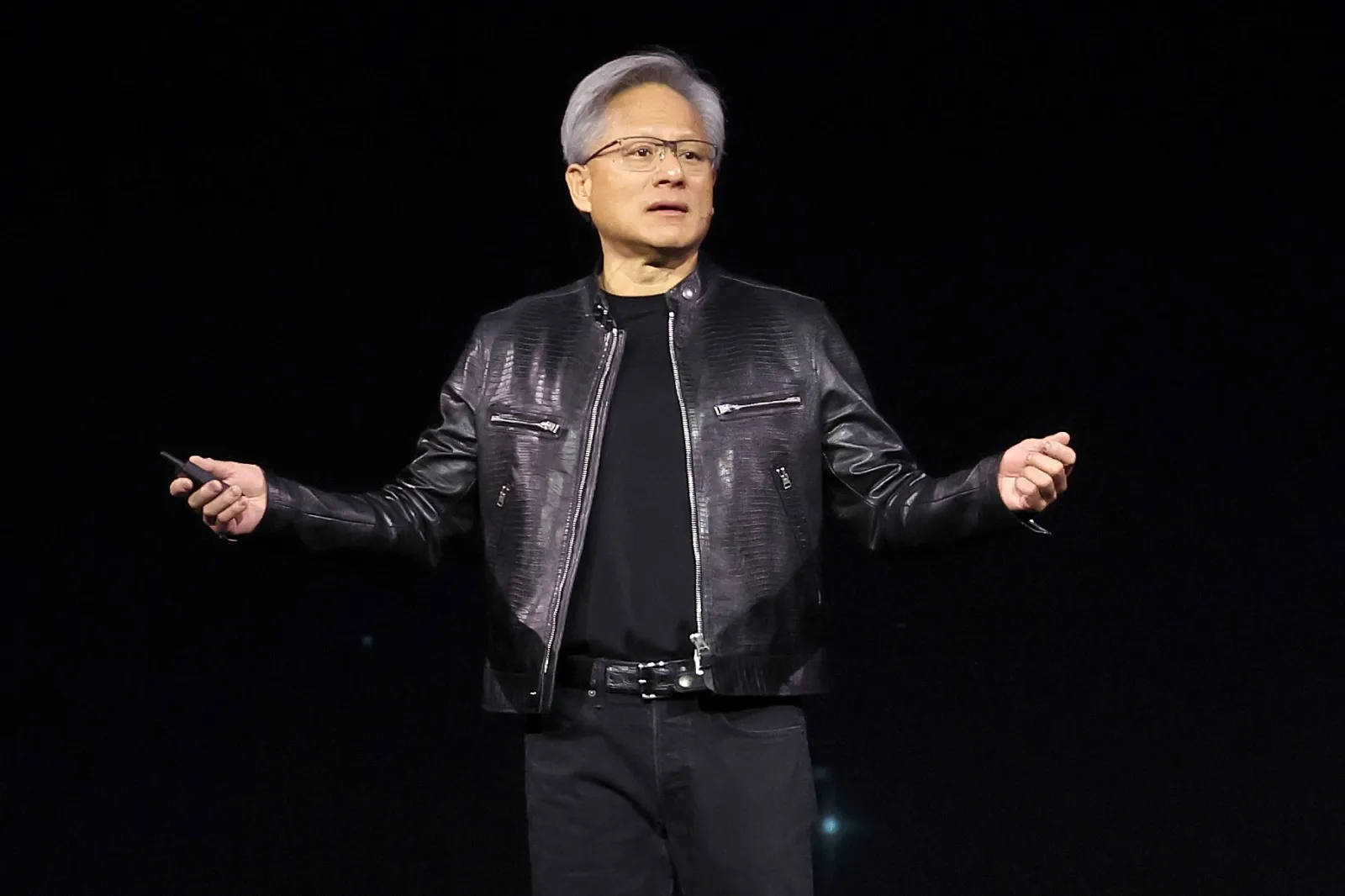
On Thursday, Nvidia's board announced that co-founder and chief executive Jensen Huang has resigned, ending a week-long crisis that exposed multiple personal affairs and national-security concerns. The move followed a series of reports that Huang had engaged in relationships with several employees, one of whom is alleged to have ties to China's Ministry of State Security. The scandal pushed Nvidia's share price to an eight-month low, raising fears about the company's future in the AI market.
Immediate Leadership Transition
Chief financial officer Colette Kress will take over as interim chief executive officer while the board searches for a permanent replacement. Harvey C. Jones, a long-time Nvidia board member and former Synopsys CEO, has been named the new chair of the board. In a statement, Jones praised Kress for her role in Nvidia's growth and expressed full confidence in her leadership team, saying, "Colette has helped lead NVIDIA through a period of extraordinary growth and has a deep understanding of our business, customers, operations and financial position."
Background of the Scandal
Earlier this week, the Wall Street Journal reported that Nvidia's board had been weighing the possibility of removing Huang from the CEO position. The decision came after the board initially announced an independent investigation into Huang's relationship with Alice Huang, a Chinese technology executive who the New York Times described as having been recruited by China's Ministry of State Security to spy on Nvidia and gather intelligence on its AI chips. The board hired Wachtell, Lipton, Rosen & Katz, a firm led by former acting U.S. Attorney Joon H. Kim, to conduct the investigation. Despite the investigation, the board had originally said Huang would remain in charge while the inquiry proceeded and while an FBI probe examined the alleged espionage affair.
Further revelations surfaced when the New York Times disclosed that Huang had a separate affair with Kimberly Powell, Nvidia's vice president of health care, who joined the company in 2008. Nvidia's code of conduct prohibits employees from entering situations that could create a conflict of interest, and it cautions that personal relationships may pose potential conflicts. The disclosures highlighted the breadth of the personal conduct issues that had come to light.
Impact on Nvidia's Market Position
Nvidia's stock price fell to its lowest level in eight months following the scandal, reflecting investors' concerns about the company's leadership stability and potential security risks. The company, which began as a graphics-chip manufacturer for video games, has since become a critical supplier of AI hardware for major technology firms worldwide. Its chips power a wide range of applications from autonomous vehicles to cloud computing services.
Nvidia's Involvement in AI and Entertainment
Beyond its hardware, Nvidia has expanded into AI-driven entertainment. The company has invested in AI entertainment firms Higgsfield and Runway, and Jensen Huang recently appeared with Higgsfield CTO Yerzat Dulat at an event in Kazakhstan. Nvidia also broadened its partnership with AI audio startup ElevenLabs, aiming to provide more voice agents to governments worldwide using Nvidia's AI architecture.
In the film and gaming sectors, Nvidia partnered with Disney and Google DeepMind to develop Newton, an open-source physics engine that enables robots to learn complex tasks with greater precision. The project incorporated real-world robots, including Star Wars droids and a "Frozen" snowman character named Olaf. Additionally, Nvidia struck a deal with Universal Music Group in January to integrate its AI technology with UMG's catalog, creating "responsible AI for music discovery, creation, and engagement." The collaboration also involved enhancing Nvidia's Music Flamingo AI audio model and establishing an artist incubator, a partnership that UMG CEO Lucian Grainge described as a shared mission to advance creative culture through AI.
Political Connections and Security Investigations
Huang's prominence made him one of former President Donald Trump's closest technology allies. Trump defended Huang in a news conference, stating that he believed Huang was unaware of Alice Huang's alleged affiliations. The president also confirmed that the FBI was investigating the relationship. The U.S. Commerce Department had previously investigated Nvidia over potential chip smuggling to China, before the case was transferred to the Justice Department.
What Happens Next for Nvidia?
With Colette Kress stepping in as interim CEO, Nvidia must navigate the dual challenges of restoring investor confidence and addressing the security concerns raised by the investigations. The board's next steps will include selecting a permanent CEO and ensuring compliance with corporate governance standards. The company's continued leadership in AI hardware and software remains critical to its strategic partners and the broader technology ecosystem.
Background: Nvidia's Rise and Corporate Structure
Nvidia was founded in 1993 by Jensen Huang, Chris Malachowsky, and Curtis Priem as a graphics-processing-unit (GPU) provider for the video-game industry. Over the past decade, the company has diversified into artificial intelligence, autonomous driving, and data-center markets, becoming one of the most valuable technology firms globally. The board of directors, chaired by Harvey C. Jones, oversees strategic decisions and corporate governance. The company's chief financial officer, Colette Kress, has been with Nvidia since 2008 and has played a key role in its financial strategy.
Key Points
- Jensen Huang resigns after revelations of multiple affairs, including one with an alleged Chinese spy.
- Colette Kress becomes interim CEO while the board searches for a permanent replacement.
- Harvey C. Jones named new chair of the board, succeeding a long-time Nvidia director.
- Nvidia's stock fell to an eight-month low amid national-security concerns.
- Investigations involve FBI, Wachtell, Lipton, Rosen & Katz, and the Commerce Department.
Why It Matters
Nvidia's leadership crisis and security investigations affect investors, partners, and the AI industry at large, as the company supplies critical hardware for numerous tech firms and government projects.
FAQ
- What led to Jensen Huang's resignation? Multiple affairs, including one with an alleged Chinese spy, and national-security concerns prompted the board to remove him.
- Who will lead Nvidia after Huang? Colette Kress, the chief financial officer, will serve as interim CEO.
- What investigations are underway? The FBI, a Wachtell, Lipton, Rosen & Katz investigation, and a Commerce Department inquiry are all involved.
Image Prompt
A press photo of a corporate boardroom in a high-rise office building, with executives in formal attire discussing documents on a conference table, set against a city skyline backdrop.