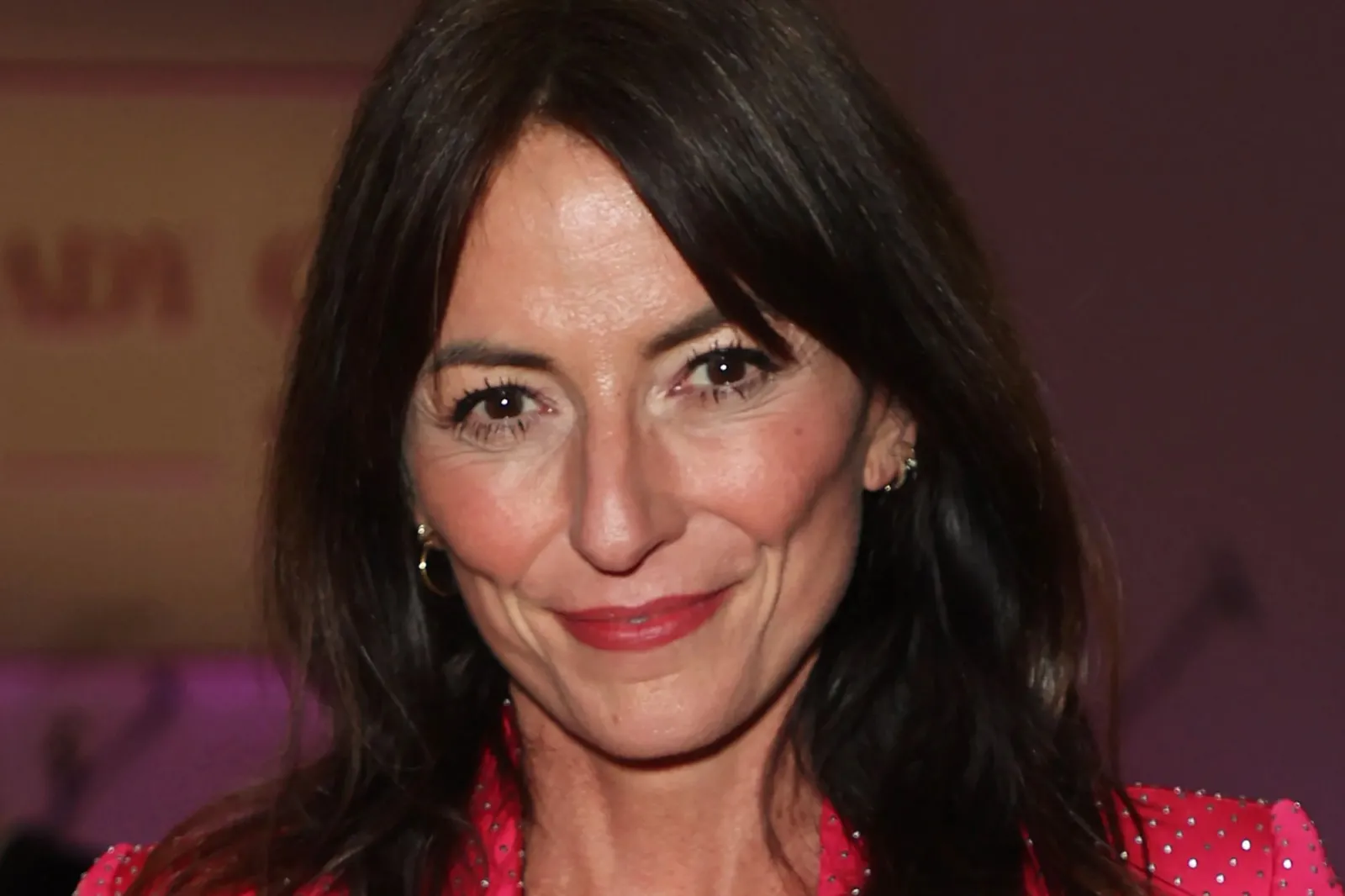
TV host Davina McCall, 59, announced on her Begin Again podcast that she lives with cardiovascular disease despite a rigorous fitness regime, a balanced diet and high energy levels.
She said she had long-standing high cholesterol but assumed her "good" HDL offset the "bad" non-HDL, a belief she now knows was mistaken.
Medical background and expert comment
McCall, who underwent surgery for a benign brain tumour in 2024 and was diagnosed with breast cancer last year, reflected on feeling "invincible" before doctors warned that diet and exercise alone cannot eliminate heart risk.
Professor Rasha Al-Lamee, interventional cardiologist at Imperial College London, explained that genetics and high cholesterol often drive risk and that medication may be required for some patients.
Understanding cardiovascular disease in women
Cardiovascular disease (CVD) covers conditions affecting the heart and vessels, with coronary heart disease being the most common form. High cholesterol is a leading risk factor, and the disease can develop silently for years.
The British Heart Foundation estimates over four million women in the UK have CVD, and coronary heart disease kills more than twice as many women as breast cancer.
Professor Al-Lamee noted that women often overlook heart attacks, focusing more on breast cancer, and may miss symptoms such as chest pain during exercise, breathlessness, or discomfort in the back, neck or jaw.
Research funded by the British Heart Foundation found women are 50% more likely than men to receive an incorrect initial diagnosis when having a heart attack.
Symptoms and misconceptions
Cardiologist Dr Mike MacDonald said the idea that women only have "atypical" heart attacks is only half true; chest pain, pressure or tightness remain the most common symptoms for both sexes.
About nine in ten women experience chest discomfort during a heart attack, similar to men, but women are roughly twice as likely to feel pain between the shoulder blades or experience nausea, vomiting or unexplained fatigue.
One study reported seven in ten women felt unexplained fatigue before a heart attack.
Impact of menopause
McCall warned that heart disease is especially prevalent after menopause. Professor Al-Lamee explained estrogen offers protection, which wanes after menopause, narrowing the gender gap in coronary artery disease.
A UK Biobank study of more than 220,000 women published in 2025 found post-menopausal women had 18% higher odds of being classified at high CVD risk than pre-menopausal women, after adjusting for age and other factors.
Prevention and advice
Al-Lamee recommends regular cholesterol and blood pressure checks, a Mediterranean-style diet rich in fruit, vegetables and wholegrains, regular exercise, reduced alcohol intake and quitting smoking.
For those with a family history of high cholesterol or early heart disease, medication may still be necessary.
New chest discomfort or breathlessness during exercise should prompt a doctor's visit, and anyone suspecting a heart attack must call 999 immediately.
McCall concluded, "If there's one takeaway today, it's not to brush things off."
I'm fit and healthy like Davina, but also have a silent killer
By Jane Atkinson
"Like Davina, you wouldn't expect a woman who is a personal trainer, who runs, loves hot yoga and knows exactly how to lift a heavy weight to be diagnosed with cardiovascular disease - and yet, here I am.
"And like Davina, I've known for several years that I have a large amount of bad cholesterol, but never worried because that was balanced by the 'good' cholesterol.
"This month, however, I was taken aback by the results of a private cardiovascular health screening with Tomorrow Wellness.
"After nearly two hours of tests, I discovered my heart health wasn't quite as rosy as I'd thought.
"The vascular imaging - to look for signs of arterial disease, including plaque or narrowing of the arteries - terrified me.
"They put ultrasound gel on my neck, groin, behind my knees and on my ankles and scanned all my major blood vessels.
"And bingo, there it was on the screen in front of me.
"I could see the thickening of the innermost layer of my blood vessels, something called intimal hyperplasia, which is the precursor to atherosclerosis.
"When it gets to this stage, the arteries harden or narrow.
"This silent condition can, if not dealt with, lead to a heart attack or stroke.
"The specialist said this probably had a lot to do with my cholesterol and history of smoking, although I stopped more than a decade ago... Nothing I can do about that now.
"But I, like Davina, can look to the future and try to halt its progression.
"So a bit more running, a few less takeaways, and monitoring again in a year."