Democratic House Majority Faces Oversight Battles
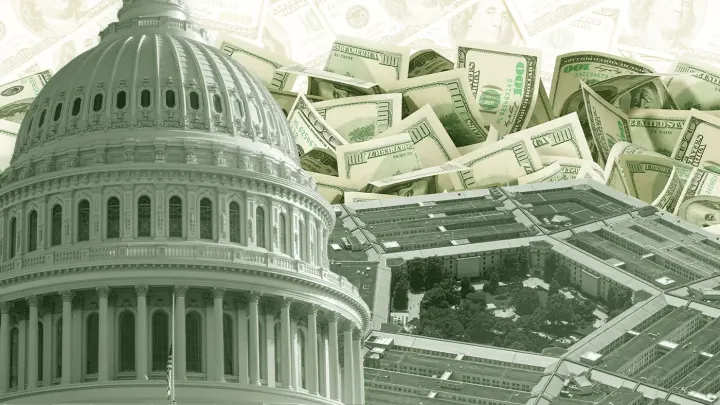
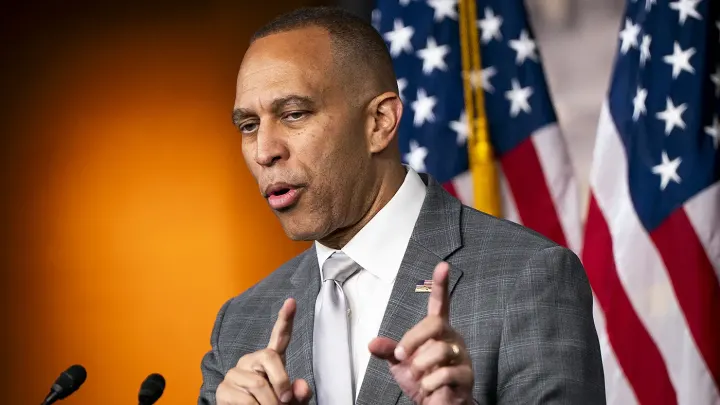
As Democrats take control of Congress, the democratic house majority is heading toward a clash with the executive branch over the power to check each other. Tension is already rising, raising questions about how far lawmakers can go in investigating everything from the president's crypto interests to key administration officials.
To understand the coming legal fights, lawmakers look back 99 years to the Teapot Dome scandal. The corruption stain from the Harding administration reached the Supreme Court in 1927 after a Senate committee subpoenaed the brother of the attorney general regarding a failure to investigate corruption.
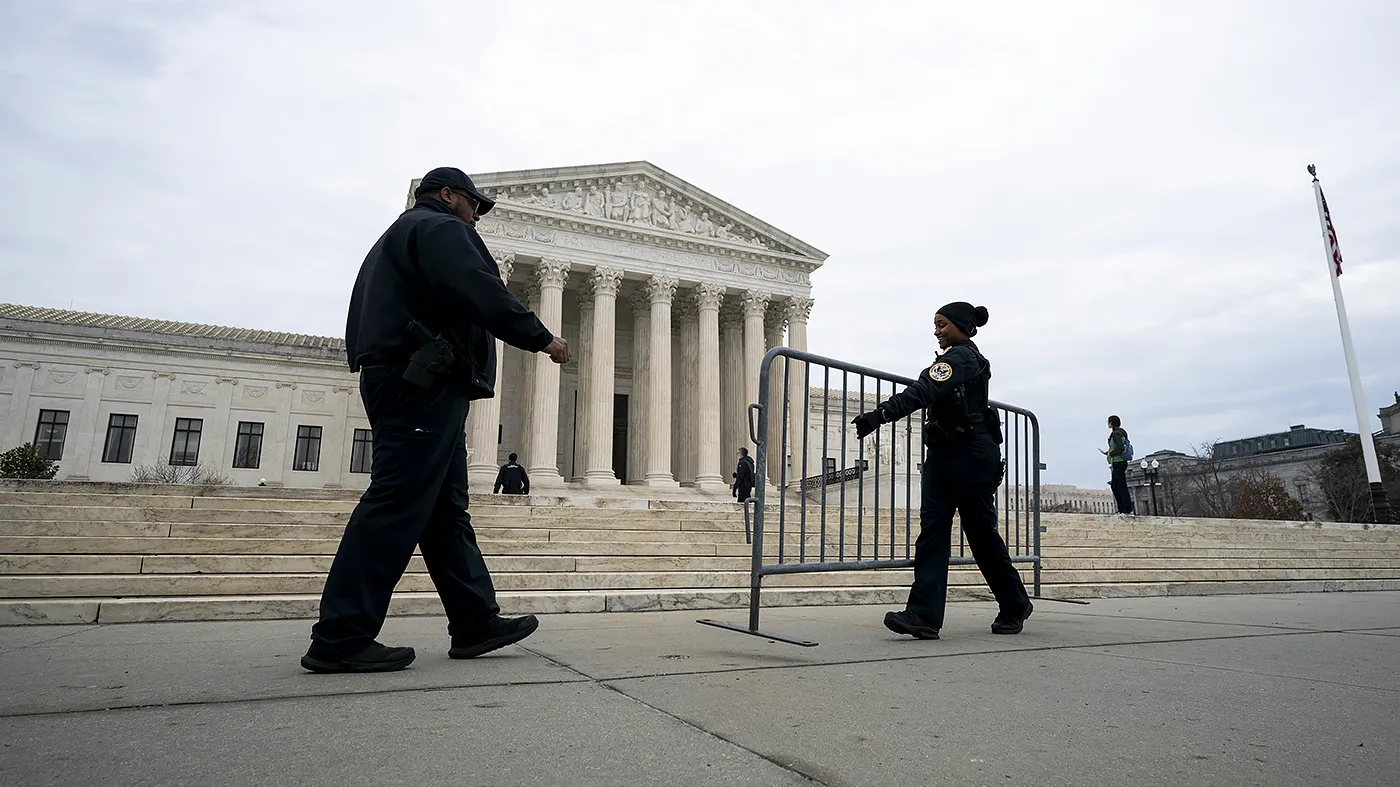
In McGrain v. Daugherty, the Supreme Court ruled that Congress has the power to compel witnesses to testify to ensure lawmakers have information needed to legislate. Justice Willis Van Devanter wrote for the court that compulsion is essential because mere requests are often unavailing and volunteered information is not always accurate.
Supreme Court Standards and Targeted Inquiries
Republicans will likely look to Trump v. Mazars, where the modern Supreme Court placed limits on congressional oversight powers regarding a president's personal financial records. In a 7-2 decision authored by Chief Justice John Roberts, the court established a four-factor balancing test for courts to consider involving necessity, scope, evidence, and presidential burden.
Already, Democrats have signaled a long list of subjects they plan to probe. The planned investigations include Trump family business dealings, Jared Kushner's role in a private equity firm while handling diplomacy, and World Liberty Financial, the cryptocurrency venture launched in 2024 by Trump with sons Donald Trump Jr. and Eric Trump.
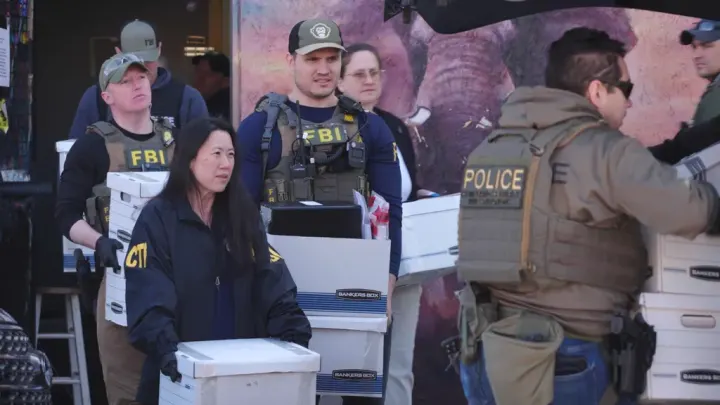
Additional probes will focus on corporate donors to the White House ballroom, no-bid contracts, and the tactics used by Immigration and Customs Enforcement officers during Operation Metro Surge in Minnesota, which involved the fatal shootings of U.S. citizens Renee Good and Alex Pretti. Lawmakers also plan to examine the administration's handling of the Jeffrey Epstein files.
White House Pushback and Contractor Pressures
The White House is responding with preemptive legal threats and internal policy shifts to stop investigations before they begin. Days after incoming House Oversight Chair Rep. Robert Garcia told the administration to lawyer up, White House counsel Will Scharf warned that the probes could cross into blatant criminality.
U.S. Attorney for the Southern District of Texas Aaron Reitz also sent threatening letters to top Senate Democrats telling them to preserve documents despite having virtually no jurisdiction over D.C. activities. Meanwhile, President Trump issued an executive order directing federal contractors to notify the White House of any congressional requests and to follow instructions on withholding communications protected by executive privilege.
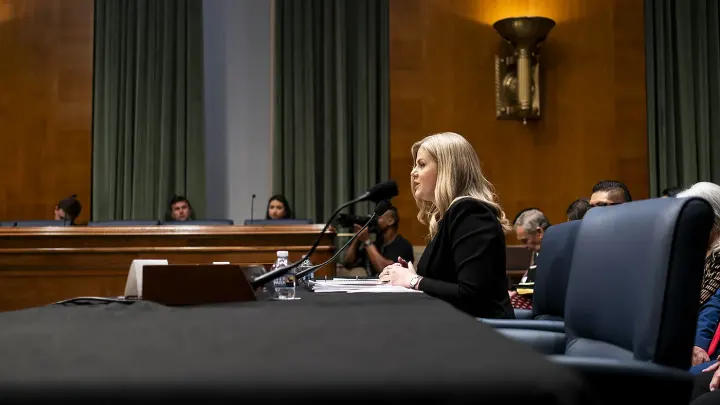
Legal experts note this leaves third-party contractors caught in the middle of political fights. George Washington University Law School associate dean Jessica Tillipman wrote that the administration is placing business partners in an impossible position between existential business risks today and contempt proceedings tomorrow.