Democratic lawmakers are gathering around a proposal to broaden Medicare access when they assume control of Congress in January, creating a unified policy that could bridge gaps between the liberal and moderate factions of the party. Both sides agree on pursuing this healthcare approach quickly next year, though internal disagreements regarding single-payer systems could still complicate longer-term legislative goals.
Details of the Proposed Medicare Changes
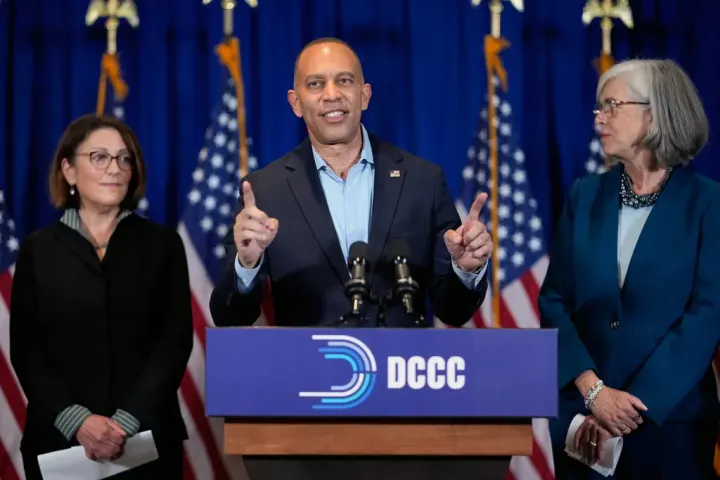
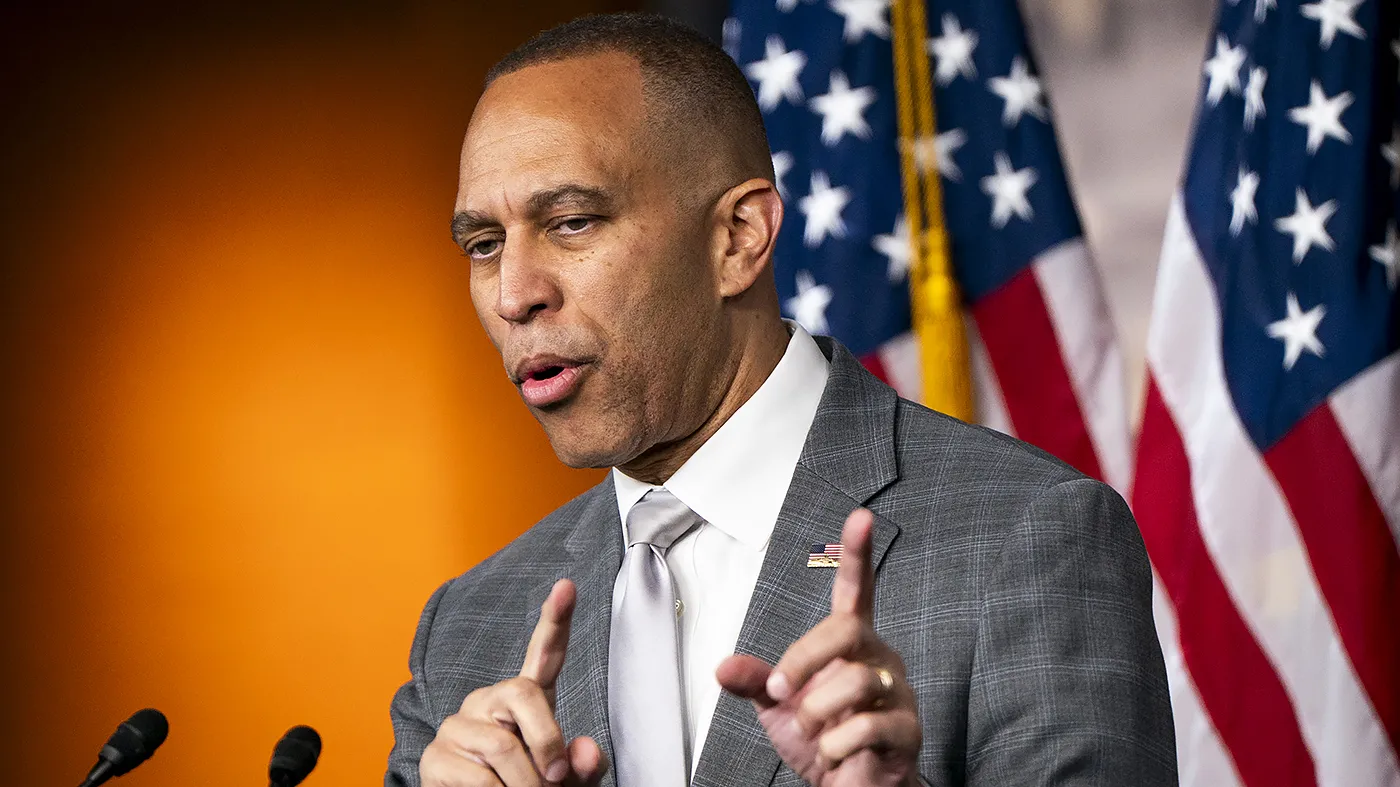
Rep. Hakeem Jeffries (D-N.Y.), whom House Democrats Nominate Hakeem Jeffries for Speaker Ahead of Jan. 3 Vote, outlined a proposal to reduce the Medicare eligibility age from 65 to 55, include children under 18 years old, and add dental, vision, and hearing benefits. Jeffries also emphasized an immediate focus on reversing Medicaid cuts under the GOP's One Big Beautiful Bill Act and restoring the Affordable Care Act's temporary enhanced premium tax credits that expired at the end of last year.
Right out of the gate, we will aggressively work on fixing the extraordinary damage that's been done, Jeffries said during a press conference Tuesday. But we also know, as Democrats, that a return to the status quo is not acceptable.
Party Factions Find Common Ground
Historically, Democrats have been divided between supporters of single-payer healthcare and those favoring incremental adjustments that preserve private insurance options. Buoyed by the victory of candidates like Mary Peltola Victory in Alaska Completes Senate Sweeps for Democrats, progressives in the House and Senate are expected to make a significant push for broad healthcare reform. At least for now, the factions appear united in moving toward a more middle ground.
Lawmakers in the Congressional Progressive Caucus welcomed what Jeffries outlined but emphasized they believe it is only the first step in the broader march toward single-payer healthcare. Rep. Maxwell Frost (D-Fla.), a CPC member, said he believes the immediate Medicare expansion plan is very achievable.
I think we have such a large majority that this step forward is going to be something that we're going to be able to accomplish, he said. But our first step is undoing a lot of the Big Beautiful Bill stuff.
Support From Progressive Leadership
Frost noted that the incremental Medicare expansion proposal has also received support from Sen. Bernie Sanders (I-Vt.), the longtime standard-bearer for single-payer reform who is expected to chair the Senate Committee on Health, Education, Labor and Pensions next Congress. Sanders on Wednesday praised Jeffries's Medicare expansion plan, dubbing it the first year of Medicare for All.
I think the word is getting out that it is no longer, from a political point of view, from a policy point of view, good enough to tinker around the edges, Sanders said. Yes, we have to protect those people who lost their Medicaid, ACA premiums, I'm all in on that. But I think increasingly the American people and elected officials understand the current healthcare system is broken.
Shortly after the elections, Sanders outlined his own plan to lower the Medicare eligibility age by 10 years, include vision and dental care in Medicare, and guarantee health insurance for all children through age 19. Sen.-elect Abdul El-Sayed (D) also jumped in this week to back the House leader's proposal as a great start. The Michigan Democrat made instituting a single-payer healthcare system a key tenet of his Senate campaign.
Looking Ahead to 2028 and Legislative Challenges
While major change is unlikely in the next two years with President Trump still in office, advocates are looking to set the agenda with an eye toward the 2028 presidential election. Rep. Adelita Grijalva (D-Ariz.), another CPC member, expressed uncertainty Thursday about the ability to get Trump's signature on a Medicare expansion package.
I don't know if we're going to be able to do very much with Trump, but I do think that the first steps are really critical, and putting back funding to an infrastructure that has been starved is important too, Grijalva said. The progressive lawmaker, who supports single-payer reform as a long-term goal, acknowledged the challenges associated with an immediate transition to a universal system.
Ideally, we want to get to Medicare for All relatively quickly, but I even heard Sen. Sanders say if we just flip a switch, you know, we could collapse a system that is already struggling, she said. So we don't want to do that.
Centrist Perspectives and Public Support
If the Medicare expansion idea gains traction in the next Congress, progressives will want to see real movement toward single-payer healthcare, something neither Jeffries nor Senate Democratic Leader Chuck Schumer (N.Y.) has endorsed. That would likely create internal tensions within the party as it looks ahead to the 2028 presidential election. But at the same time, letting a bill come to the floor during the Trump presidency would catapult the issue directly into the conversation.
Rep. Ami Bera (D-Calif.), a physician and member of the centrist New Democrat Coalition, said a workable long-term plan will be contingent on factors like cost and coverage. Bera stressed a more immediate focus on reversing cuts made under the One Big Beautiful Bill Act, also known as H.R. 1.
Those aren't the long-term solutions, but those at least give us time to lower costs for Americans, increase access, and then I think we can work on the longer-term ideas, he said. As many adults and families struggle to afford health costs, the popularity of broader government coverage is growing, supported by a KFF poll in September showing two-thirds of Americans favored a single government plan.
A national debate would likely include more details about costs and trade-offs that aren't being captured in surface-level campaign slogans. Maryland Rep. Jamie Raskin (D) praised Jeffries's plan as a very meaningful and substantive proposal that could bridge divides within the Democratic Party over long-term healthcare goals.
It would undoubtedly win the support of a lot of people who want to move towards a national health system with Medicare for All, and I think it could gain a lot of support from other people who understand the huge gaps that exist, Raskin said. So I think that's a shrewd proposal for him to advance.