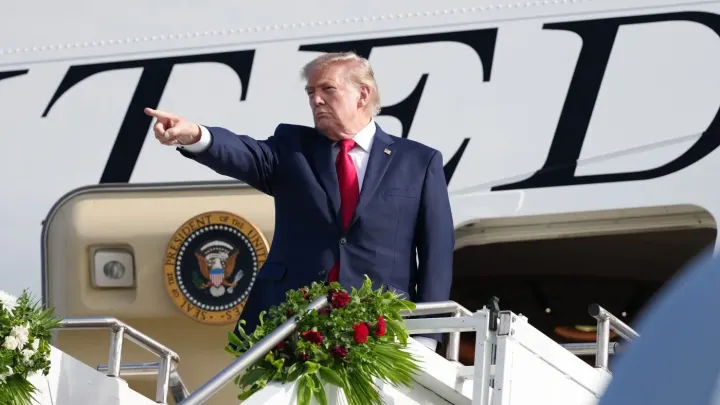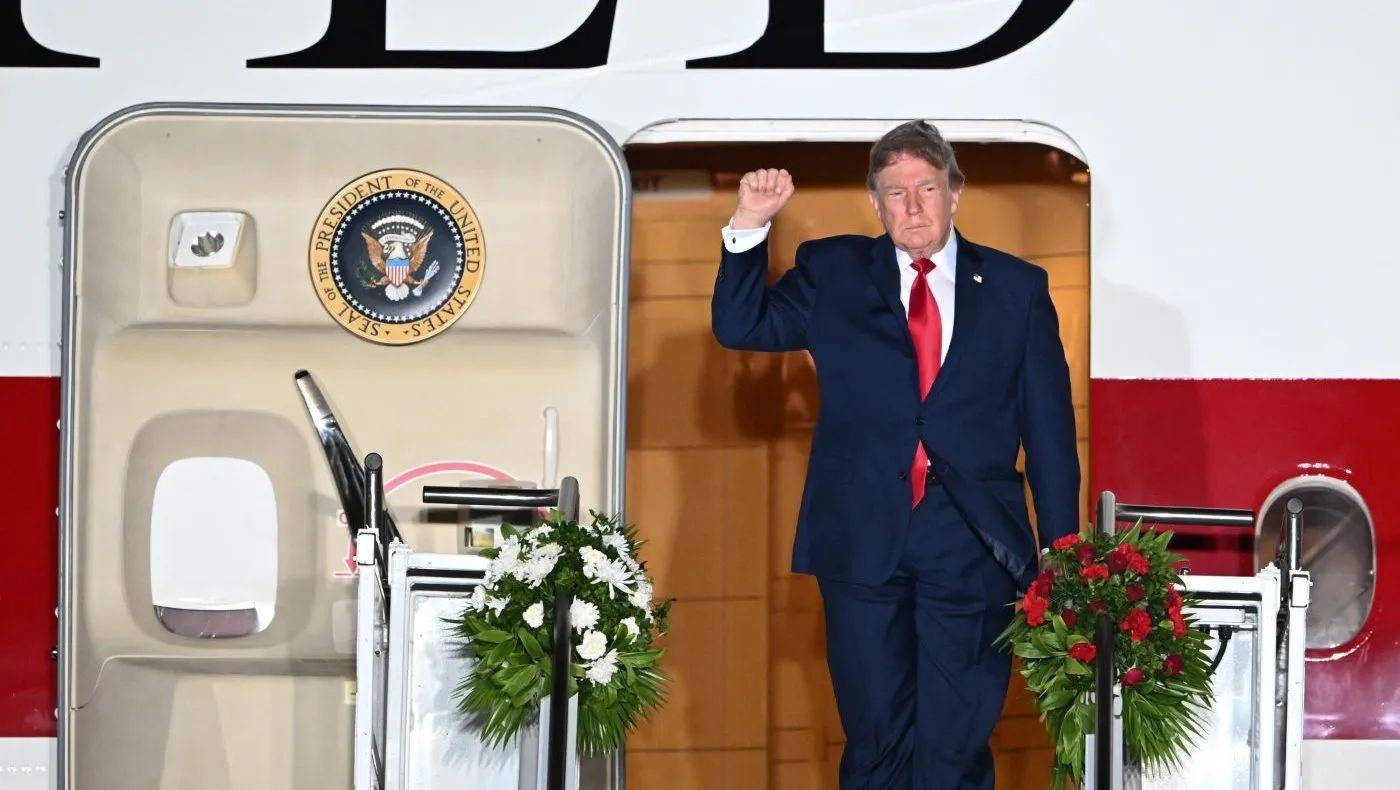
President Trump is heading to the Association of Southeast Asian Nations (ASEAN) this week, followed by a visit to China for an unprecedented trilateral summit with Chinese President Xi Jinping and Russian President Vladimir Putin. The trip comes after the Republican Party lost control of both houses of Congress in the midterm elections, a result many observers view as a referendum on Trump himself.
Midterm Election Impact on Trump's Influence
The Republican losses in the midterms have stripped Trump of the congressional majority that had supported his policy agenda for the past two years. The shift is expected to limit his ability to push legislation through the House and Senate during the final two years of his presidency.
Ali Wyne, a senior research and advocacy adviser on U.S.-China relations at the International Crisis Group, noted that even before the elections, foreign leaders perceived Trump as weaker abroad due to the fallout from the Iran war and the ongoing Russia-Ukraine war. He added that the elections have now made that perception more accurate at home as well.
Trump's History of Acting Outside Congress
Trump has frequently bypassed congressional approval in his foreign policy decisions. Earlier this year he ordered strikes on Venezuela to remove former President Nicolás Maduro without formal congressional authorization. His ongoing military actions in Iran have also proceeded without official congressional approval, drawing criticism from both Democrats and some Republicans.
Cale Brown, former State Department principal deputy spokesperson during the first Trump administration and chair of Polaris National Security, said Trump "has operated on his own counsel" and rarely consults Congress before acting. Brown suggested that the post-midterm political climate might embolden Trump heading into the upcoming meetings.
Meeting with Xi and Putin
Trump will meet with Xi on Wednesday for a bilateral session. Xi hosted Trump for a state visit in Beijing in May, while Trump hosted Xi at the White House in September. The two leaders are also scheduled to meet at the Group of 20 summit in Miami next month.
On Thursday, Trump and Xi will join Russian President Vladimir Putin for a trilateral summit. Trump has signaled that he intends to discuss the U.S. war in Iran, the Russia-Ukraine war and nuclear denuclearization. These topics have been priorities for Trump's second term, but Xi and Putin have shown limited interest in compromise.
Global Context of the Summit
Washington has largely supported Ukraine in its effort to prevent Russian aggression, while China has provided support to Russia. Iran has received backing from both Moscow and Beijing in its conflict against the United States. China has resisted international checks on its nuclear weapons buildup, complicating global nonproliferation efforts.
Steve Yates, former deputy national security adviser to former Vice President Dick Cheney and senior research fellow at the Heritage Foundation, remarked that the three leaders enter the meeting with divergent agendas. He added that a "world-changing declaration" is unlikely at this first encounter and that the midterms do not alter Xi or Putin's positions.
Historical Precedent for Presidential Foreign Engagement
Trump is not the first U.S. president to intensify foreign policy focus during a politically challenging period. Former President Jimmy Carter normalized relations with China during the Iran hostage crisis, a move that contributed to his substantial loss to Ronald Reagan in the 1980 election. Yates noted that other countries and their leaderships have long memories and are not easily swayed by domestic political cycles.
Assessing Trump's Power and Legacy
Michael O'Hanlon, director of research in the Brookings Institution's Foreign Policy program, cautioned that American presidents still wield significant power, commanding the world's most powerful military and economy. He emphasized that Trump's influence should not be underestimated simply because Congress no longer rubber-stamps his actions.
O'Hanlon also highlighted that Trump must still navigate domestic priorities such as budget approvals, Social Security, AI regulation, and the Golden Dome missile defense program. The lack of a Republican Congress will make these matters more contested.
Strategic Expectations for the Summit
Analysts predict that, regardless of the summit's outcome, Trump will portray the meeting as a diplomatic success. Wyne suggested that Trump's desire to solidify his legacy and secure headline-grabbing accomplishments may lead him to accept outcomes that favor his image rather than U.S. national security interests.
Short, former legislative director during Trump's first administration, said that Xi and Putin might view the summit as an opportunity to secure deals, given the possibility that Trump may not return to the same level of engagement in the future.
What Happens Next?
After the summit, Trump is expected to return to Washington to address the challenges posed by the new congressional composition. His administration will likely continue to pursue its foreign policy objectives while negotiating the constraints imposed by a divided Congress.
Background: Trump's International Relations
Donald Trump, the 45th President of the United States, served from 2017 to 2021 and was re-elected in 2020. His foreign policy was marked by a unilateral approach, often bypassing traditional diplomatic channels and congressional oversight. Trump's administration engaged in a series of military actions, including strikes on Venezuela, increased sanctions on Iran, and support for Ukraine against Russian aggression.
The International Crisis Group, where Ali Wyne works, is a non-governmental organization that provides independent analysis on conflict and diplomacy worldwide. The Heritage Foundation, home to Steve Yates, is a conservative think-tank that focuses on public policy research.
The Brookings Institution, where Michael O'Hanlon is based, is a prominent American research organization that studies economics, foreign policy, and governance.
What This Means for U.S. Foreign Policy
The summit offers a rare chance for the United States to engage directly with China and Russia on pressing security issues. However, the differing priorities of the three leaders and the domestic political constraints facing Trump may limit the extent of any agreements reached.
Future Diplomatic Engagements
Following the trilateral summit, Trump is due to meet with Xi again at the Group of 20 summit in Miami. These meetings will continue to shape U.S. strategy on global security, trade, and diplomatic relations in the coming months.
Related Coverage
For more on Trump's foreign policy moves, see Trump Tariffs: Evidence Shows Exporters Absorb Most of the Burden and Trump and Xi Meet as Nvidia Scandal Casts Shadow Over Talks.