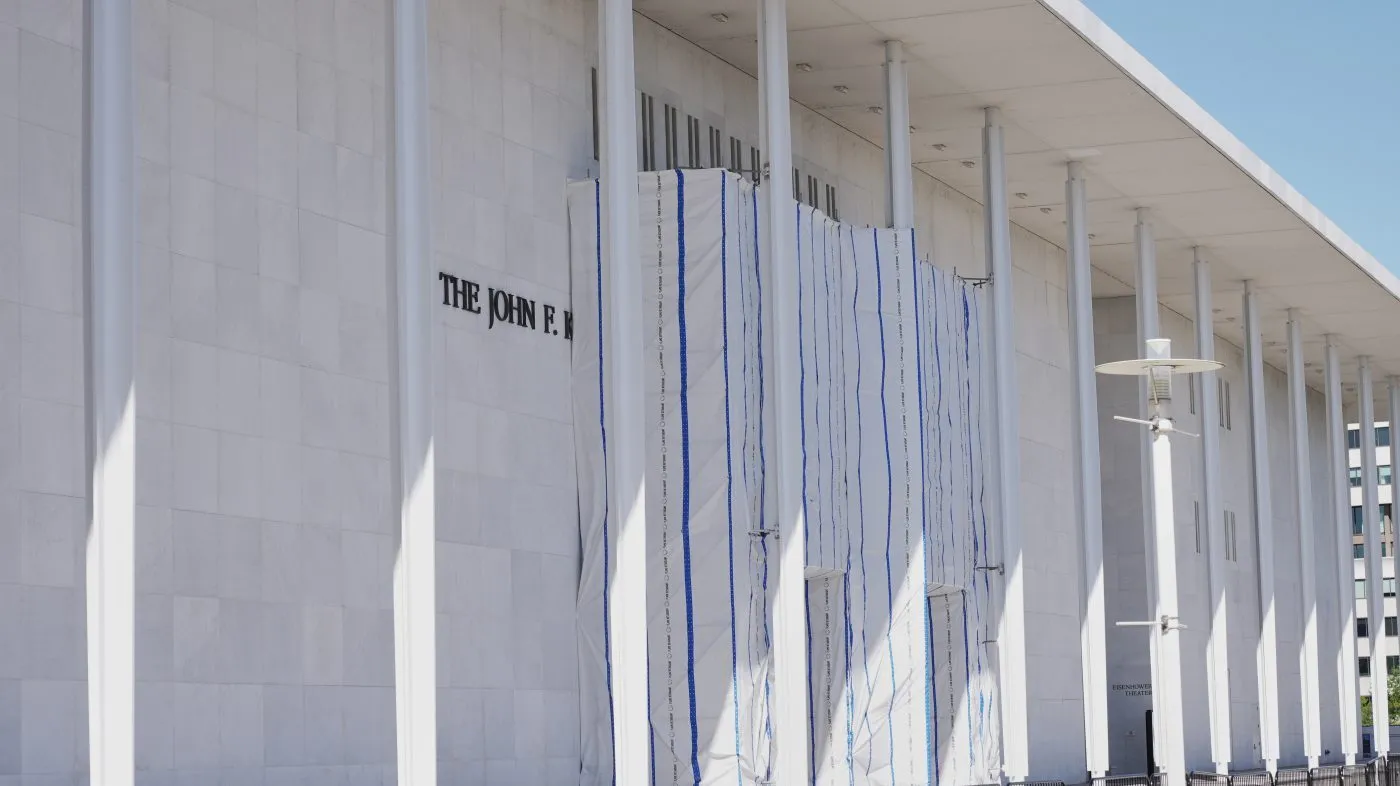
The United States Department of Justice defended a decision by the Kennedy Center board to shutter the performing arts center for a planned two-year renovation during a Thursday court appearance in Washington, D.C., telling U.S. District Judge Christopher Cooper that a non-phased approach was selected to reduce expenses and operational disruptions.
"The board's decisions here were reasonable, and they must stand," Will Jankowski, an attorney in the Civil Division of the Justice Department, stated minutes into the legal proceedings.
U.S. District Judge Christopher Cooper is currently reviewing a request from the Trump administration to dissolve a preliminary injunction from May that had previously halted the proposed shutdown while permitting essential maintenance and repair work to proceed.
Legal Arguments and Court Review
U.S. District Judge Christopher Cooper did not permanently bar the board from ever closing the Kennedy Center should it arrive at this conclusion anew after independently balancing its multiple obligations to the institution in a prudent fashion.
"It did those things," Will Jankowski asserted, maintaining that the board depended on independent assessments from construction firms and real estate experts to reach its determination.
The handpicked board appointed by Trump voted once again in September to immediately close the main building for repairs after officials stated that dilapidated conditions had rendered the facility unsafe for visitors.
Safety Concerns and Public Access
Public access to the venue was temporarily cut off a day later, a measure that Executive Director Matt Floca explained in court filings was enacted after identifying acute risks to public safety driven by structural damage in specific sections of the performing arts center.
Lawyers representing the Justice Department have defended that action as entirely separate from the board objectives to pursue longer-term renovations.
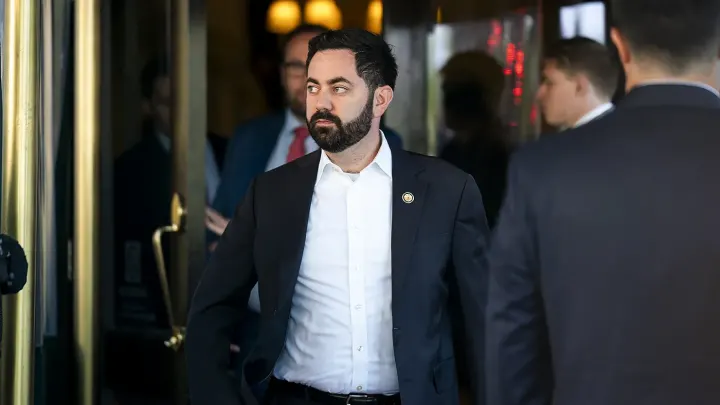
Attorneys for Representative Joyce Beatty, a Democrat from Ohio and an ex-officio board member leading the opposition against alterations at the Kennedy Center, contend that the shutdown served as a cover for financial mismanagement and was predetermined to appease Trump.
Financial Disclosures and Controversy
"We know that one of the reasons they want to close is because they face fiscal harms and embarrassment as a result of the renaming," Nathaniel Zelinksy declared during the Thursday session.
Several artistic partners terminated their affiliations with the Kennedy Center and numerous performers canceled or withdrew from scheduled shows after the board voted last December to inscribe Trump's name onto the facility, while The Washington Post reported in August that ticket sales and fundraising had dropped significantly in the ensuing months.
Representative Joyce Beatty's legal team has additionally demanded access to records concerning Trump's participation in the decision-making process as chairman of the board, a request that the White House has pushed back against by invoking executive privilege regarding communications between the president, advisers, and staff at the Kennedy Center.
Judge Reviewing White House Communications
U.S. District Judge Christopher Cooper instructed the Justice Department to deliver copies of those documents to the court by Friday to allow for private review and to evaluate the administration claim of privilege.
The judge displayed skepticism toward the assertions of both legal teams, inquiring of Nathaniel Zelinsky at one juncture regarding what benefit would come from keeping the venue open if no performances remain on the schedule.
"Wouldn't that cause even more financial deterioration at this point, regardless of who's to blame for it?" U.S. District Judge Christopher Cooper asked.
Demolition Speculation and Presidential Statements
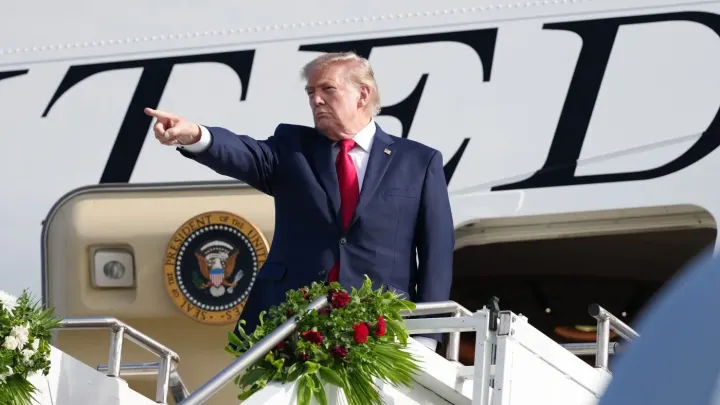
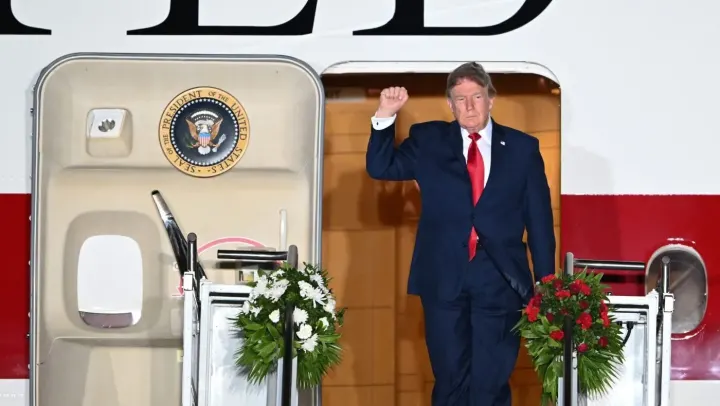
The administration, including Trump, has declined to dismiss the possibility of demolishing the structure if the president name cannot be added and plans for an extended closure face legal blocks, with Trump having been observed through the window of Air Force One in mid-September inspecting a poster board that appeared to display the words "Kennedy Center DEMOLISH".
"I'm not committing to anything. We're going to see how it plays out in court," Trump noted during a September 28 interview with TIME magazine. "But if I build it, and if I agree that for the rest of my life, I'm going to be putting up $100 million to have it open to people ... then I think the Trump administration should be recognized."
The Justice Department has suggested through court filings that the name of Trump remains inextricably linked to fundraising campaigns, whereas critics argue that the president and his supporters are attempting to hold the cultural institution hostage.
"The president is putting a gun to the head of the center," Nathaniel Zelinsky argued.
Debate Over Fundraising and Trust
Will Jankowski argued that name recognition deployed for fundraising purposes represented standard practice for nonprofit organizations, prompting U.S. District Judge Christopher Cooper to reply that the situation differed from the allegations raised in this specific case.
"Isn't that more of a form of, you know, taking actions that are contrary to the trust?" U.S. District Judge Christopher Cooper pressed, addressing claims that donations could be reclaimed if specific outcomes fail to materialize. "How does that jive with one's fidelity to the trust?"
The ongoing closure has forced the upcoming Kennedy Center Honors to relocate to an alternative site within the nation capital for the first instance in the history of the event.
Relocation of Upcoming Events
Next month event celebrating playwright David Mamet, songwriter Paul Anka, composer David Foster, actor Andy Garcia, and country music singer Barbara Mandrell will instead take place at Capital One Arena.
U.S. District Judge Christopher Cooper refrained from delivering a ruling from the bench, indicating an intention to issue a decision as quickly as possible.