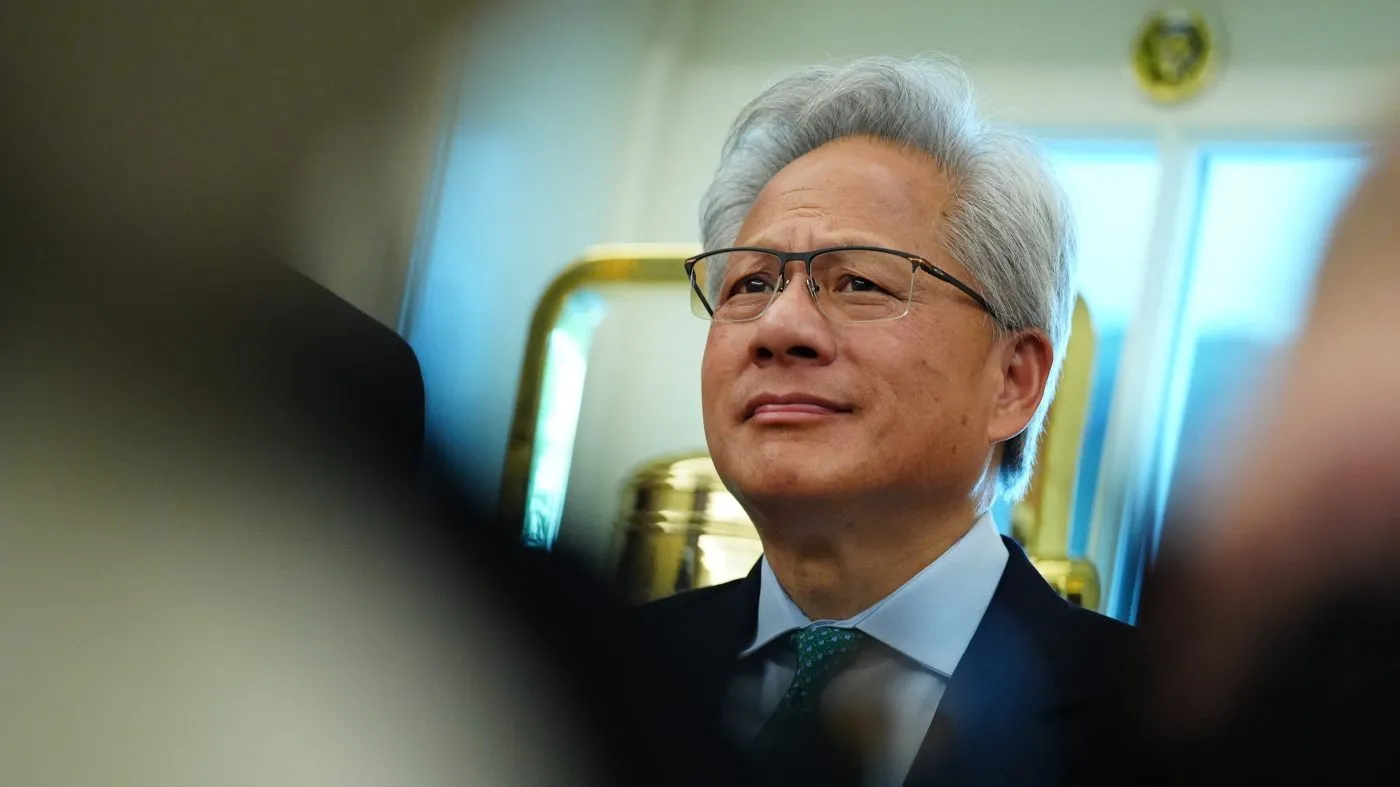
President Donald Trump is traveling to the Philippines and China this week for the Association of South East Asian Nations Summit and the Asia Pacific Economic Cooperation meetings, where artificial intelligence, trade and security will be discussed while a major Nvidia scandal looms over the trip. The international meetings follow the resignation of Nvidia founder Jensen Huang, who stepped down after more than 30 years at the company following an espionage and extramarital affair controversy.
Craig Singleton, a senior fellow at the Foundation for Defense of Democracies, told reporters he doubts the president will bring up the situation with Chinese Premier Xi Jinping. Singleton said Trump has stood by Huang personally and sees espionage as something major powers just do to each other.
Trump said last week he would not bring up the Jensen Huang situation when meeting with Xi, but noted he is sure the Chinese leader will ask about it. Huang previously joined Trump for his last trip to China in May. Earlier Monday, the president stated he certainly would not mind if Huang is reinstated as chief executive officer.
Background on the Nvidia Leadership Crisis
Jensen Huang built Nvidia into a dominant force in artificial intelligence chips over more than three decades before stepping down last Thursday. The departure followed revelations regarding an affair with an alleged Chinese spy, which triggered intense national security scrutiny and led to petitions calling for his return, alongside support from figures like Elon Musk. Despite public support from the White House, Nvidia's Board of Directors has indicated it is not considering the reinstatement of Huang as chief executive officer, according to sources familiar with the matter.
International Context of the Presidential Trip
The diplomatic journey takes the American delegation to Southeast Asia and China during a period of heightened sensitivity over technology exports and intelligence sharing. The Trump administration responded to the security breach by placing new restrictions on overseas data centers providing remote access to American computing power. These export controls managed by the Bureau of Industry and Security aim to close gaps in sensitive technology access, directly impacting how foreign entities use advanced artificial intelligence hardware. Such policy shifts happen as global powers navigate complex technological dependencies and the influence of major tech figures in international diplomacy.