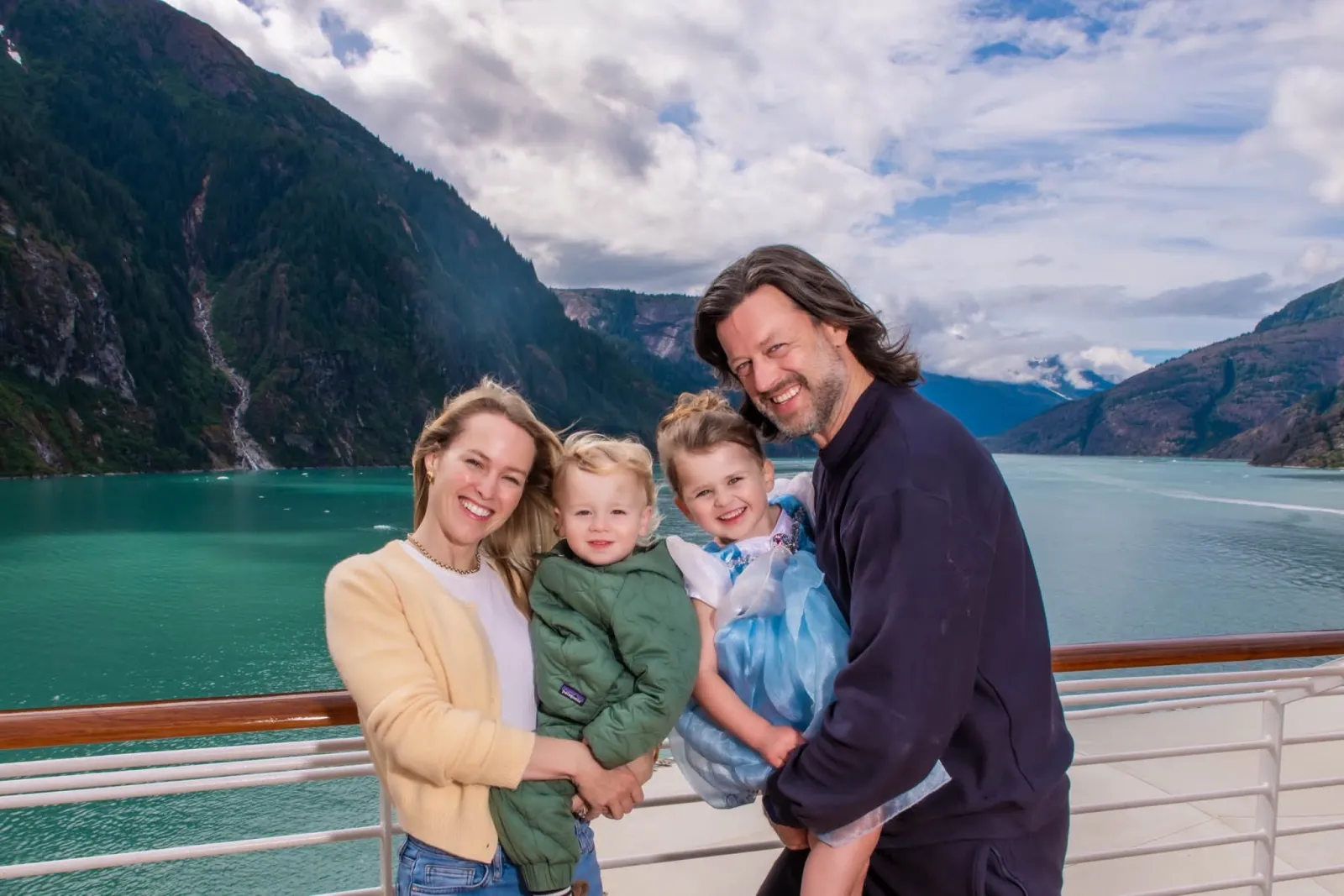
A tech tycoon on the doomed Florida jet told pals life was going too well days before he was killed en route to the Bahamas for his birthday. Adam Robinson, 45, was with his wife, two children, close friends and nanny when the aircraft plunged down and crashed into the ground before erupting into a fireball.
In just over one minute, the private Learjet 60 descended over 25,000ft, crashing into a residential area in Palm Beach County, killing nine people. Adam had told a pal his life was going too well just days before the tragedy, reports TMZ.
He was killed alongside his wife Helen Sharp, 40, and their two children, Emma, four, and Charlie, two. One of his friends, Jesse Ouellette, said the businessman had been saying how well work was going, and that his family were enjoying their picturesque life in Aspen, Colorado.
Sources also said the family had been heading to the Bahamas for Adam's birthday and planned to spend a week there. Jesse said his loss will be deeply felt by the software founders who knew him as a friend and colleague. He challenged the way things were done and was far ahead of his time, and it is heartbreaking that we lost him so soon.
The plane had departed from Austin, Texas, on its way to the Bahamas when it went down just miles away from Mar-a-Lago. It is believed the aircraft was being piloted by Jeffrey Gregory, 55, of Gilbertsville, Pennsylvania. Distressing audio revealed him reciting the Lord's Prayer as the jet nosedived.
Adam's friends Rachael Reed and Charmi Fehr, and the children's nanny, Anita Maria Cetina, were also on the flight. Nathalia Gadelha Filgueiras, 20, whose heartbreaking final cries for help were heard on air traffic control audio, was likely in charge of comms. She reported the flight was experiencing turbulence and light, clear ice that is manageable at around 12.47pm local time, two hours after takeoff.
At 12:48pm, Filgueiras is heard on audio from the cockpit asking the air traffic controller permission to climb to 37,000 feet. The co-pilot also said the flight was experiencing precipitation. Within the same minute, the co-pilot is heard saying that the plane is rapidly descending. We are descending 8,000, mayday, mayday, we are descending 10,000ft per minute, the co-pilot said.
During a press conference on Monday, National Transportation Safety Board member Tom Chapman said that the private jet announced the descent followed by a mayday call, roughly 30 seconds after requesting to climb to 37,000 feet. Before 12:49pm, the co-pilot is once again heard on the cockpit radio saying that the flight was descending 20,000 feet per minute. We are going to crash into the ground.
At 12:49pm, Filgueiras can be heard saying that the plane was actually plunging at a rate of 22,000 feet per minute. Holy f**k we are out of time, the co-pilot said within the 12:49pm minute. The audio from the jet then went silent and at 12:50pm, the flight crashed directly into the ground, leaving the pilot and eight others dead.
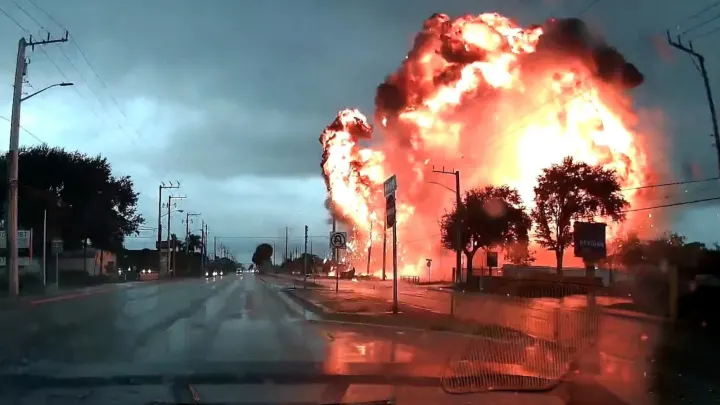
Videos from bystanders show the plane speeding into the ground before it disintegrated into a fireball on impact. It looked like a missile going down, it left a big crater, Florida Governor Ron DeSantis said about the crash.
Background on Private Jet Travel and Aviation Safety
Private aviation involves the operation of aircraft for non-commercial or private purposes, differing significantly from major commercial airline operations. Private jets like the Learjet 60 are often used by corporate executives, entrepreneurs, and high-net-worth individuals for flexible travel schedules and direct routing between smaller airports. These aircraft are subject to Federal Aviation Administration regulations in the United States, which govern pilot licensing, aircraft maintenance, and flight operations.
Weather phenomena such as clear ice and turbulence present unique operational challenges for pilots at high altitudes. Meteorological conditions can change rapidly, requiring constant communication between flight crews and air traffic control facilities. Safety boards investigate aviation accidents by examining flight data recorders, cockpit voice recordings, radar data, and wreckage to determine contributing factors.
Details of the Flight and Aircraft Route
The journey began in Austin, Texas, with a planned destination in the Bahamas for a birthday celebration. Flight paths over the southern United States and towards the Caribbean often encounter diverse weather patterns, ranging from clear skies to sudden precipitation and temperature drops. Air traffic controllers manage these routes by monitoring altitude requests, weather reports, and aircraft separation to maintain safety across congested airspace sectors.
Emergency procedures in aviation dictate specific protocols when an aircraft encounters rapid altitude loss or mechanical difficulties. Flight crews transmit distress calls, commonly known as mayday messages, to alert nearby controllers and other aircraft of immediate danger. Investigations by federal authorities typically analyze the sequence of communications and instrument readings to reconstruct the final moments of distressed flights.