The latest series of Strictly has come under fire for a number of reasons, but insiders insist the real reason its struggling is not because of the new presenting line up.
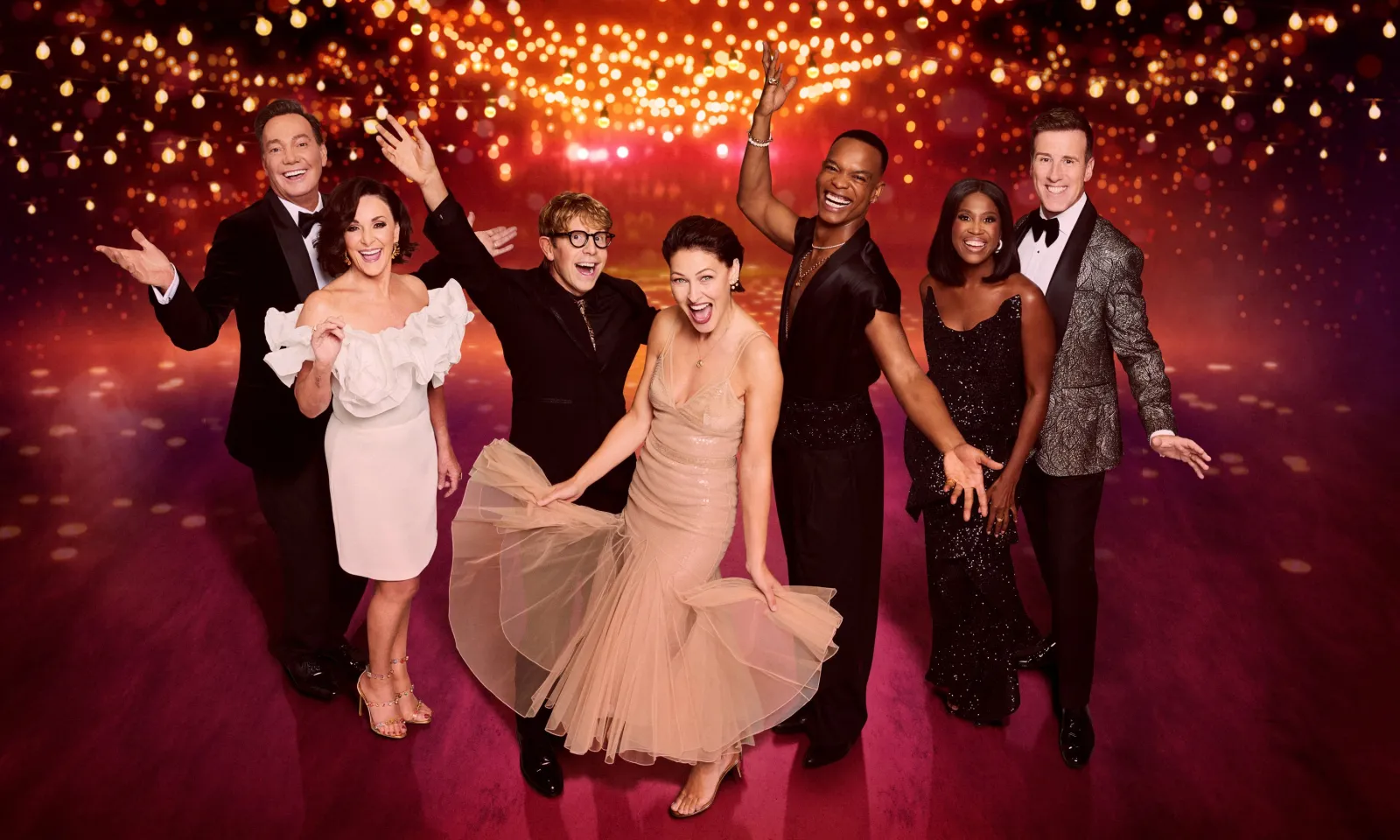
Emma Willis, Josh Widdicombe and Johannes Radebe took over hosting duties this year after Tess Daly and Claudia Winkleman's departure at the end of the 2025 series.
Comedian Josh, 43, has come in for particularly harsh criticism, but Strictly fans have pinpointed a completely different reason as to why the new series isn't living up to the standard set by previous ones, and suffered a dip in ratings.
Fan Reactions on Social Media
One comment on X alongside pictures of previous contestants Lewis Cope, Amber Davies, Layton Williams and Tasha Ghouri read: "This series proves we need ringers.
"Everyone complaining about the mediocrity as if y'all didn't ask for this by hating on these icons."
On Strictly, ringers are celebs who have prior dance, gymnastics, musical theatre, or performance experience, which gives them a significant natural advantage over complete beginners.
Another Strictly fan agreed, writing: "This series is really proving to me something we've been saying forever, we desperately need ringers to make sure it's always a good show.
"This series feels kinda flat compared to others and i think it's because there's so few standouts so far."
Comments From Former Professionals
A third viewer shared a screenshot of former Strictly pro Oti Mabuse explaining how bosses had signed a "cast with novice dancers" after the backlash they had received in previous series for signing celebrities with previous dance experience, like Lewis and Amber in the 2025 run.
They added: "Oti commenting that the hate last year is the reason why we don't have ringers this year I mean we have a non-ringer season now are y'all happy now for the underwhelming dances? We don't even got a 40 yet."
The current series of Strictly does feature celebrities with some dance experience such as Love Island's Cach Mercer, who is well versed in hip-hop, while Graeme Hall used to ballroom dance as a hobby.
However, many viewers feel that the show, which has moved past the halfway stage in the competition, hasn't produced any iconic or memorable routines like in previous years.
Behind the Scenes Insights
A source said: "A lot of attention has been put on the ratings slide, and the blame has been put at the feet of the new presenting line-up, but while that will have accounted for some people switching off, a lot of people behind the scenes actually think the problem is down to the casting.
"There really isn't a runaway favourite this year, and the feeling is the show really is lacking a couple of 'ringers' as they are known in the game.
"Fans often moan when contestants have previous dance experience, and there is always so much backlash around it, so the show seemed to listen this year and focus almost entirely on novices.
"The problem is though, while fans claim they don't want stars who have dance training, the more experienced stars actually put on better routines which makes for better TV, and viewers end up enjoying it more.
"They think they want one thing, but what they actually want is something else. It's hard for the show to win really, but the feeling is, it's definitely lacking some pizzazz and next year, I wouldn't be surprised if there are many more 'ringers' in the mix."
The Sun has contacted a representative for Strictly for comment.
Background on Strictly Come Dancing
Strictly Come Dancing is a hugely popular British television dance contest broadcast on BBC One, pairing various celebrities with professional ballroom and Latin dancers. The format originated in the United Kingdom in 2004 and has since spawned an international franchise known as Dancing with the Stars. Over the years, the competition has become a staple of British weekend television culture, drawing millions of viewers through the autumn and winter months. Celebrity contestants undergo intense weekly training regimens to perform live routines judged by an expert panel and voted on by the public. The show has historically navigated various controversies regarding scoring, public voting patterns, and the perceived background advantages of certain contestants. Professional dancers and celebrity participants often face intense scrutiny across social media platforms and tabloid media throughout the broadcast run. Production teams continually adjust casting strategies, training protocols, and judging formats in response to changing audience preferences and television viewing trends.
The television series relies heavily on the chemistry between the hosting personnel, the judging panel, and the participating celebrities to sustain its broad appeal. Changes to the presenting line-up often provoke significant public discussion and media coverage as audiences adapt to new personalities guiding the live broadcasts. The balance between welcoming absolute beginners who demonstrate dramatic personal improvement and featuring highly polished performers capable of executing complex choreography remains a central debate among dedicated viewers. Public reactions to the perceived fairness of the competition frequently influence casting decisions made by BBC producers ahead of subsequent television runs. The ongoing evolution of the format reflects broader shifts in entertainment television, where social media engagement and viewer feedback play immediate roles in shaping production choices.