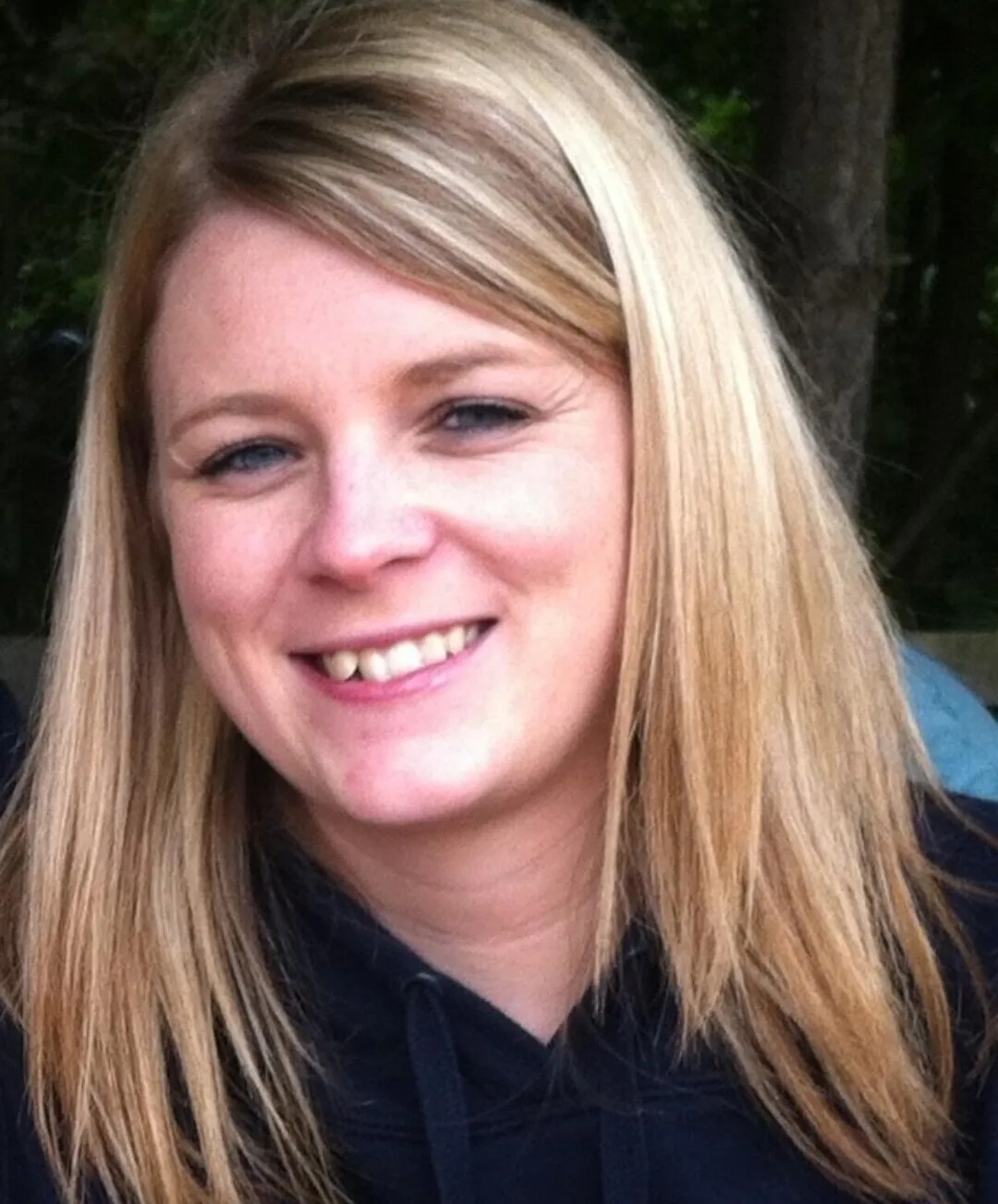
When Cath Pearson first noticed a harmless ulcer on her tongue, she had no idea it was the initial sign of an incurable condition. Within nine months, the 25-year-old accounts assistant went from a healthy young woman to unable to speak, walk, or eat, before passing away in June 2013.
Her mother, 63-year-old retired NHS worker Yvonne Coyne from Scarborough, North Yorkshire, watched in excruciating pain and is now determined to make sure other families know what warning signs to look for. Cath initially believed a tooth was aggravating the sore and visited a dentist after about eight weeks, who shaved the affected tooth down. Three months later, Cath received a diagnosis of stage four squamous cell carcinoma of the tongue in September 2012.
How the Symptoms Developed
Before her diagnosis, Cath developed severe difficulties eating, drinking, speaking, and swallowing as opening her mouth became extremely painful. She experienced fatigue, lost weight, and struggled to visit the gym while taking prescribed antibiotics for what she initially thought was anaemia. Yvonne notes that roughly ten weeks passed from the time Cath first sought medical help until her diagnosis.
The consultant told Cath that the cancer was untreatable because removing it would require taking out her entire tongue, an operation the surgeon refused to perform on a 24-year-old. Cath underwent seven months of brutal chemotherapy and radiotherapy while Yvonne provided round-the-clock care. Despite losing her ability to speak or eat, the mother and daughter developed a humorous way of communicating before Cath died in a hospice with her mother by her side.
What is Squamous Cell Carcinoma?
Squamous cell carcinoma is the most common type of tongue cancer according to Cancer Research UK, affecting flat cells covering the lining of the mouth, throat, and other areas. Symptoms include an unhealed ulcer or lump on the tongue, red or white patches, pain or difficulty swallowing, and unexplained bleeding. Yvonne has since published a memoir titled Dying To Talk, Tongue Cancer and Cath in December 2024 to help others recognise the disease earlier.