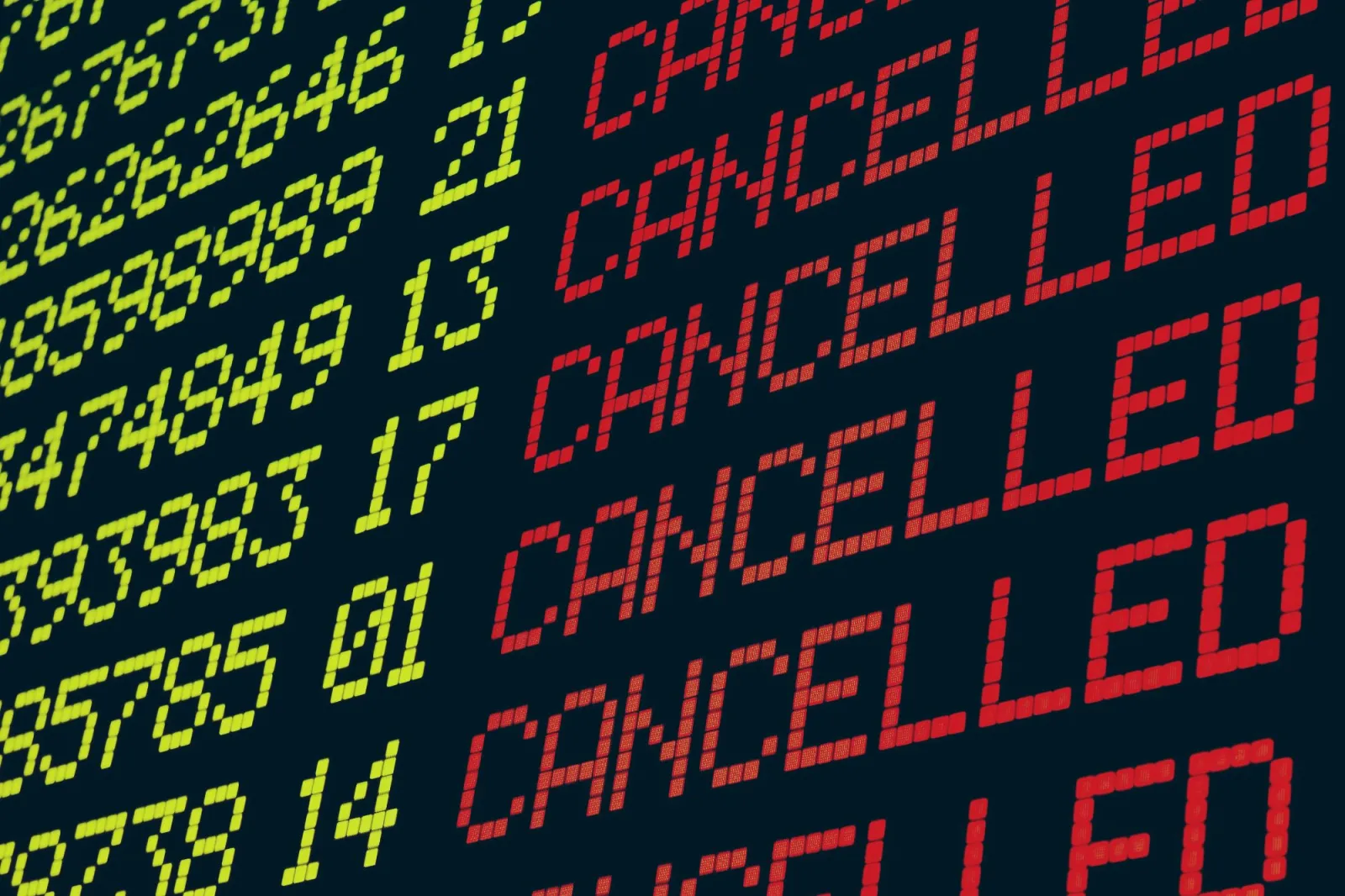
A nationwide strike in Spain is expected to disrupt travel across the entire country tomorrow, and it includes UK flights. The industrial action will bring the country to a complete standstill as staff are set to walkout from airports, public transport, shops, restaurants, and museums. The shutdown will begin tomorrow morning as major trade unions in Spain stage a 24-hour walkout.
The strike is protesting the escalating housing crisis, and it will be the country's first joint general strike in almost 15 years. Flights across both mainland Spain and the Canary Islands are expected to see cancellations or delays. Iberia has warned that journeys might be affected on November 11 and has put alternatives in place for those who experience disruption.
It adds that anyone travelling from a Spanish airport tomorrow should arrive earlier than usual with the strike causing delays at check-in, security, and passport control. However, the good news is that there is a minimum flight service requirement in place. Business Travel News Europe reported that there must be at least 57 per cent of international flights at Madrid and 56 per cent at Barcelona. Passengers should still check for updates from their airline before travelling tomorrow.
Anton Radchenko, Aviation Expert and CEO of AirAdvisor, said: "If my flight were cancelled, my first question would be how the airline could get me there, rather than how quickly it could refund me. The original ticket price may not cover a replacement bought at short notice." He added that if another airline can get you there significantly sooner, ask about that option rather than assume you must wait for your original carrier's next flight.
For anyone who is already in Spain and needs to stay overnight while waiting for replacement travel, Anton says travellers should ask the airline to arrange accommodation and meals. If the airline cannot provide that, then passengers are advised to keep receipts for expenses. Anton adds: "Those costs are separate from fixed compensation, and passengers should not abandon a legitimate expenses claim simply because they have been told the strike was outside the airline's control."
The strike will not just affect flights, because on the ground, public transport will be impacted including high-speed lines, the city metro, and buses. However, the government has guaranteed that at least 72 per cent of the AVE and long-distance trains will operate on November 10-12, with 65 per cent of Renfe's regional services set to run as scheduled. For anyone already on holiday there at the time, the walkout could see some restaurants, museum, and shops close. If they are not shut, the opening hours could be reduced to holiday hours. There could be demonstrations in large cities, so monitor local media for updates and disruption.
Understanding the Spanish Housing Crisis Protests
The decision by major labor organizations to call a nationwide general strike stems from deep economic grievances centered around soaring residential property costs and rental rates across major Spanish cities. Citizens and advocacy groups have expressed mounting frustration over affordability pressures that price working families out of urban areas. This widespread discontent has unified disparate labor factions in a rare coordinated protest movement aimed at forcing legislative interventions from national policymakers. Similar demonstrations have occurred in recent months across urban centers like Madrid, Barcelona, and Valencia, where tourism pressures and short-term rentals have exacerbated housing shortages.
Minimum Service Orders and Transportation Mandates
Spanish authorities implement strict regulatory frameworks known as minimum service orders during national industrial actions to prevent complete societal paralysis. These legally binding mandates require essential transportation networks, healthcare providers, and emergency services to maintain a baseline operational capacity. Transport operators such as state-owned rail company Renfe and major flag carriers must schedule specific percentages of their regular timetables. Passengers attempting to navigate the transportation network during these disruptions rely heavily on these mandated minimum services to reach essential destinations or secure alternative transit routes home.
Passenger Rights Under European and UK Regulations
Air travelers facing disruptions due to industrial action retain specific legal protections under consumer protection regulations governing international aviation. While extraordinary circumstances like weather events typically exempt carriers from financial penalties, the legal status of staff walkouts can involve complex regulatory interpretations. Passengers whose itineraries originate or terminate in the United Kingdom or the European Union are entitled to care, assistance, and re-routing options regardless of the underlying cause of the delay. Consumer advocacy organizations consistently remind affected travelers to secure written documentation of delays directly from airport personnel to support subsequent reimbursement or insurance claims.