A giant cackling Labubu dressed in pirate gear stands as a clear sign of the modern era in Shanghai during 2026. Just a few hours earlier, the journey involved exploring a 500-year-old Ming Dynasty garden that looked straight out of yesteryear. That is Shanghai in a nutshell, representing a world of the crazy and modern blended with an insanely rich history. There has never been a better time to visit China's biggest city, because visas to visit the country, which usually involve an arduous and expensive process to obtain, have been scrapped until the end of the year.
Shanghai has been listed as a trending destination, having been named the world's second best city for 2026 by Time Out and having seen a boom in searches with booking.com. Nicknamed the Magic City, visitors find themselves under its spell in a heartbeat. Until the mid-1800s, Shanghai was a mere fishing village, far from its megacity status, now holding a population of 25 million. One of the city's most beautiful corners is the former French Concession, once a self-governing enclave dating back to 1849. Today it is made up of narrow roads where both European and Chinese architecture mingle, lined with plane trees offering shade to the many cyclists.
Cafes and bakeries litter the district, providing excellent spots to relax. A favourite spot for coffee lovers is Faust, where patrons drink a sea salt latte perched on a tiny metal stool next to locals catching up before work. Selfie-taking tourists gather at Wukang Mansion, a wedge-like structure reminiscent of New York's Flatiron Building that was loved by Chinese stars of the 1940s. Nearby, travellers can grab locally made jewellery and clothes at small boutiques selling wares out of even smaller windows. The laid-back nature of the streets proves to be nothing like what most expect of Shanghai.
That peace and quiet is also found at Qibao, a 1,000-year-old ancient water town. After a short metro ride from the city centre, visitors step back in time while meandering down the narrow paths separating historic street vendor stores. Everything from silk fans and traditional dress to fresh food remains on offer. Food sellers casually offer passers-by a taste, but stomachs often draw travellers back toward the city centre for massive culinary adventures.
The mission to brave honking mopeds and elbow-jabbing tourists leads directly to some of the world's best food. Soup dumplings from Lai Lai Xiao Long Bao, a Michelin-recommended Bib Gourmand shop, feature juicy crab and prawn oozing down arms during the first bite. A mere £1.80 buys a Michelin Guide pancake from Dingxing Road, packed with chicken and fried dough. The famous £3 sesame paste noodles from Wei Xiang Zhai, also listed in the Michelin Guide, are definitely worth the queue snaking out of the door. The bright orange oily sauce is decadent and rich, leaving stomachs full and white T-shirts stained.
Shanghai truly comes alive when the sun goes down, offering incredible evening sights. Best explored at night is Yu Garden, dating back to the Ming Dynasty in the 16th century. Bright red traditional pavilions transport visitors back hundreds of years, an effect amplified by many tourists dressed up in authentic hanfu clothing. Hourly light shows bring the location back into the 21st century without detracting from the history. Neon lights shine brightly on Nanjing Road, the Oxford Circus of Shanghai, where shops entice buyers with 10ft clam sculptures and smoke-breathing dragons.
Fuxing Road provides award-winning bars in abundance. Hidden speakeasy Speak Low is credited with putting Shanghai on the map for its mixology scene, while Bar Leone, sister to the World's Best Bar 2026 in Hong Kong, is a must-visit. Arriving early helps secure a seat at the bar to order drinks like the fresh Il Cacciatore, expertly made up of gin, cherry tomato and basil. After shopping, eating and walking through history, tired feet are ready for rest.
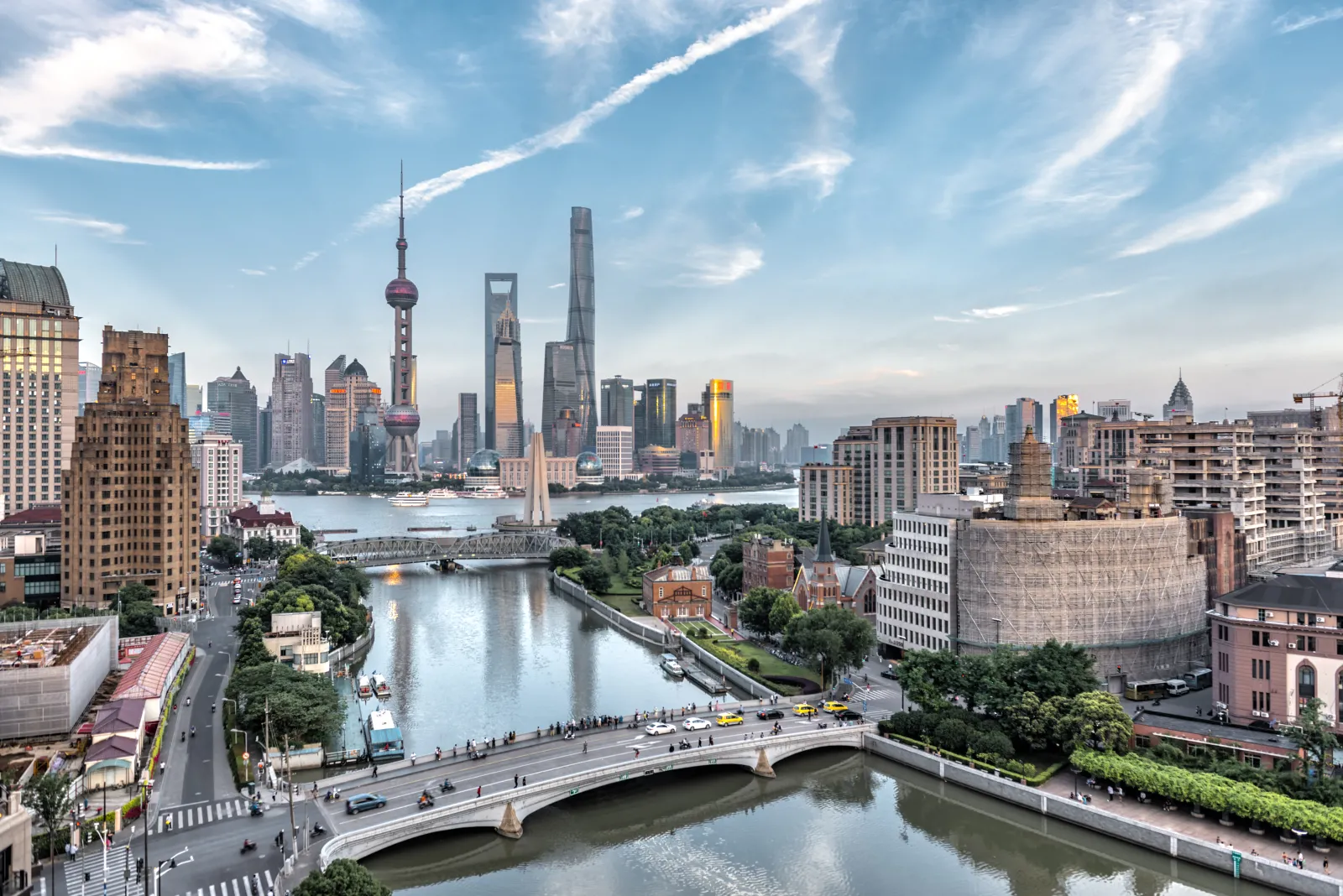
A stay on The Bund waterfront promenade is a must when visiting Shanghai. Nicknamed the Golden Mile, there is nowhere better for seeing the famous skyline at night, from the pink-lit Oriental Pearl Tower to Shanghai Tower, once the world's tallest building. Hotel Indigo stands out as a Westerner-friendly choice because some resorts do not accept foreign tourists, and the rooms come with spectacular views. Along with two restaurants, a rooftop bar and a glass-walled indoor swimming pool, the hotel sits right by the cruise port, where travellers catch metropolitan views by boat. Rooms come kitted out with everything needed, from local teas and snacks to comfy beds and fleecy dressing gowns to wrap up in after a very long day.
Getting To Shanghai and Travel Logistics
Return British Airways flights from London Heathrow start from £530. Travellers can book these connections directly through britishairways.com.
Train tickets, attractions and e-sims can all be booked conveniently with trip.com to ensure smooth transit throughout the metropolis.
Accommodation Options on The Bund
One night's room-only at Hotel Indigo on The Bund starts from £130. Bookings for this property are available through ihg.com.
Background on Shanghai and Visa Policy
Shanghai serves as the financial powerhouse of mainland China and acts as a major global transport hub. The recent temporary visa waiver program implemented by Chinese authorities applies to passport holders from several nations, allowing short-term tourism without the traditional paperwork. This policy shift aims to boost international tourism following years of travel restrictions. The city blends historic canals and water towns with ultra-modern skyscrapers like the Shanghai Tower, which measures 632 metres in height. Culinary traditions in the region focus heavily on Jiangnan-style cooking, featuring sweet flavours, fresh seafood, and iconic steamed dumplings known locally as xiaolongbao.