A traveller embarking on a unique arctic journey began their experience at the Snow Resort in Kirkenes located in north-east Norway, far above the Arctic Circle. Before boarding a Hurtigruten coastal vessel, the visitor took a powerboat out into Kirkenesfjorden to watch local fishermen haul eight king crabs out of the water. Within an hour, after a quick photo opportunity and steam cooking, the traveller was tucking into the sweet, succulent crabmeat. With a wholesale cost of roughly £150 each, locals rightfully refer to these crustaceans as the gold of the sea.
Later in the day, the visitor enjoyed a traditional Sami cultural experience while listening to folk tales from artist and musician Jon Henrik and hand-feeding his pet reindeer. Evening dining featured reindeer meat, which was completely separate from the pets, accompanied by a glass of refreshing pear cider. While the resort offers cosy glass-fronted cabins, the brave traveller chose to spend the night in the Snowhotel 365 where the bed consisted of a slab of ice topped with a mattress. Donning a balaclava in bed, the guest turned in at approximately 10pm beneath an ice-carved troll while the thermostat read -0.2C.
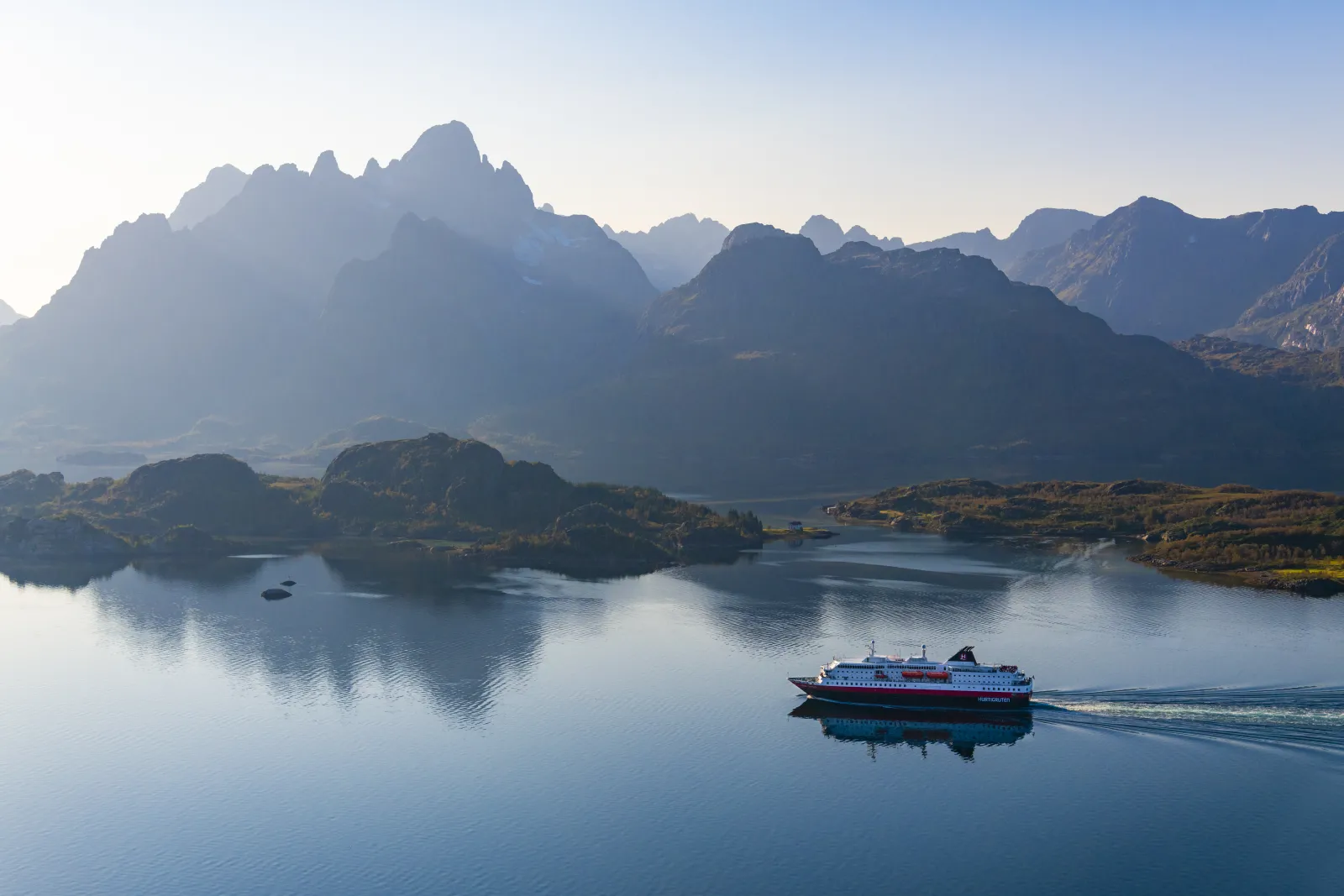
Accompanied by disconcerting dripping noises, the guest felt like a packet of peas set to defrost before eventually nodding off to sleep. A second glass of cider at dinner prompted a late-night trek to the outside loo, requiring spiked boots and a dash through an autumn night that proved considerably warmer than the room. The following morning brought relief upon boarding the MS Kong Harald, one of seven ships operating on Hurtigruten Coastal Express route between Kirkenes and Bergen, calling at 32 ports along the way. Accommodating nearly 600 passengers, the vessel functions as both a leisure cruise and a vital working lifeline for locals commuting or moving freight between remote fjords.
Onboard amenities include outdoor hot tubs, a sauna, a gym, super-fast wifi, and an upmarket dining experience featuring an expansive buffet and an a la carte restaurant. The drinks menu proved equally impressive as the crew retrieved 1,002 bottles of Italian Barolo red wine that had been maturing for 12 months on the seabed of the Arctic Ocean. A cosy twin cabin provided a comfortable bed and a large window for admiring the stunning scenery outside. The outer deck served as an ideal vantage point for viewing the Northern Lights and spotting whales, both of which frequently appear from late September onwards.
The ship docks frequently, ranging from 15-minute stops in tiny villages to multi-hour visits in larger towns and cities along the coast. Leaving the ship at Honningsvåg at 5.45am allowed for an excursion to the North Cape, a dramatic clifftop situated on the coast of Magerøya island in Finnmark, northern Norway. Panoramic sea views preceded a coach transfer that reunited the traveller with the ship at Hammerfest without breaking a sweat. Disembarking at Tromsø at 11.45pm that same night enabled the visitor to attend an atmospheric midnight choral concert inside the Arctic Cathedral. Impending storms threatened the subsequent sea journey to Svolvær, prompting an early end to the voyage that provided a bonus half-day to explore vibrant Tromsø, complete with a wood-fired harbour-side sauna and a plunge into the icy Norwegian Sea.
Background on Arctic Travel and Hurtigruten
The coastal express route operated by Hurtigruten has connected remote Norwegian communities for more than a century. Travelling along the jagged coastline from Bergen in the south up to Kirkenes near the Russian border, these ships provide essential transport for local residents, mail, and cargo. The region above the Arctic Circle experiences extreme weather conditions, creating unique tourism opportunities such as ice hotels, dog sledding, and wildlife safaris. Kirkenes itself sits in the far north-east of Norway and serves as a major gateway for travellers heading into the polar regions.
Understanding the Snowhotel 365 Concept
Hotels built entirely from snow and ice require constant maintenance and chilled refrigeration systems to remain open throughout the year. Artisans carve intricate sculptures and architectural details using tons of harvested ice and snow, maintaining internal temperatures well below freezing. Guests sleep in specialized thermal sleeping bags rated for extreme polar conditions to stay warm while resting on ice beds. This form of temporary architecture relies on sub-zero engineering to provide an immersive wilderness experience for adventurous tourists.