Teacher experiences stroke symptoms after GP call
Teacher Ruth Jones contacted her general practitioner at the end of a demanding day after noticing asthma-like symptoms. The single mother of two was advised to phone back the following morning, and lacking the energy to debate the decision, she blamed stress and tried to sleep off the discomfort.
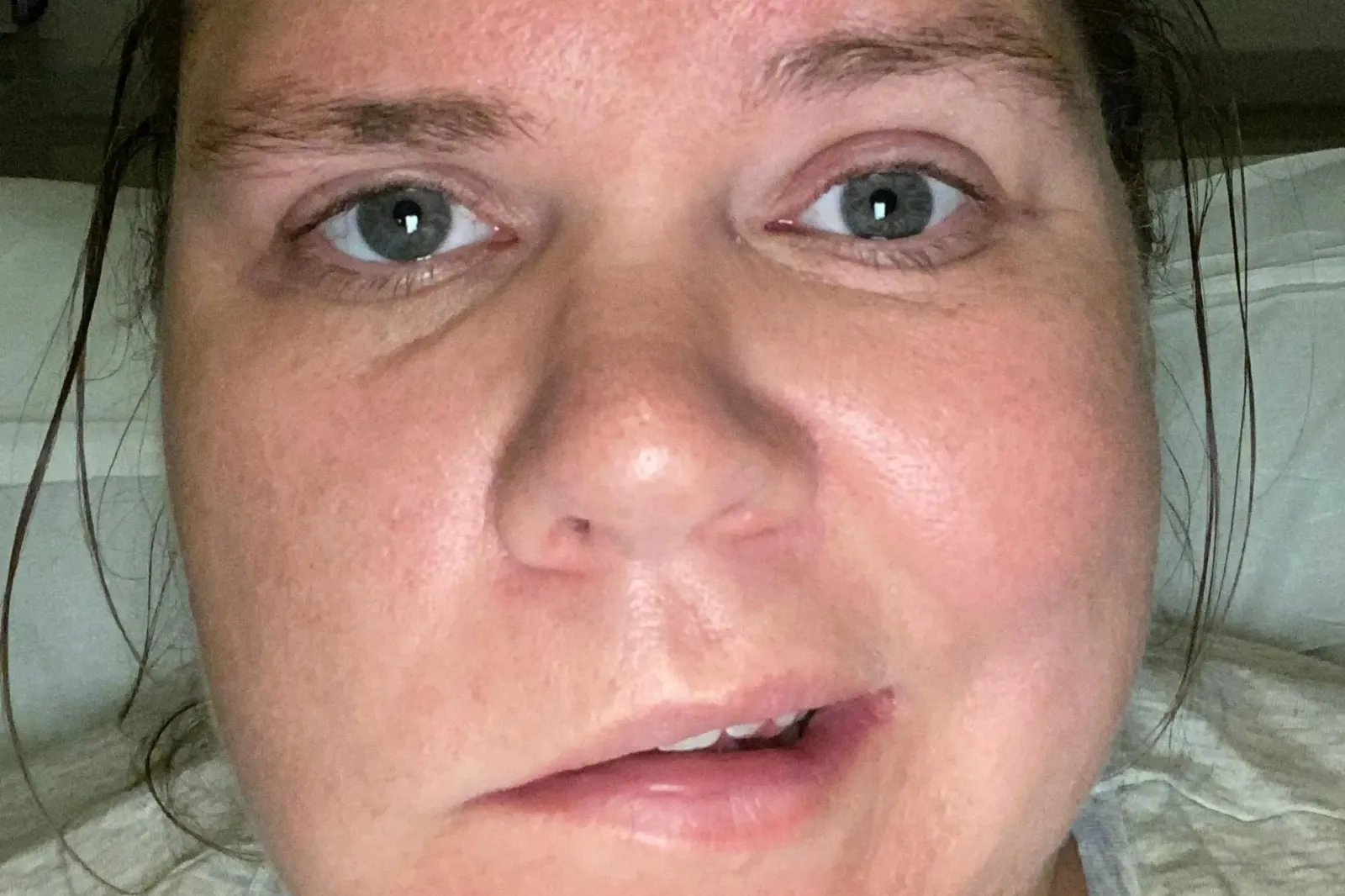
By the following morning, after letting out a yawn, the 40-year-old from Conwy noticed her face felt unusual. She walked to a mirror and was left speechless when she saw her reflection. "I thought this is it - this is a stroke," she said. "I had just been trained on it and now it was happening to me. I [had] told myself it was just a migraine, but deep down, I knew something was very wrong."
Panic set in as her arm began tingling, though she forced herself to stay calm to avoid alarming her daughters, who were aged five and 10 at the time of the incident in September 2021. Ruth Jones dialed 999 and informed the operator she was experiencing a stroke while detailing symptoms that included facial droop, slurred speech, and arm weakness. Faced with an estimated ambulance wait time of up to five hours and fearing for her survival, she called her father and delivered three words: "Stroke. Hospital. Now." He arrived at her home within minutes and drove her to the hospital.
Hospital arrival and medical diagnosis
Upon reaching the facility, Ruth Jones could no longer speak clearly and her right leg was giving way. Because of Covid regulations, no companions were permitted to accompany her inside. "Walking into that hospital alone was one of the scariest moments of my life," she said. "I couldn't talk [and] I couldn't stand well. I felt completely helpless."
Medical professionals confirmed she was suffering from an ischaemic stroke, which occurs when a blood clot blocks an artery supplying blood to the brain and destroys cells. Doctors administered thrombolysis treatment involving clot-busting drugs to dissolve the vascular blockages, and the intervention succeeded, allowing her to be discharged within 24 hours.
Long term recovery and support challenges
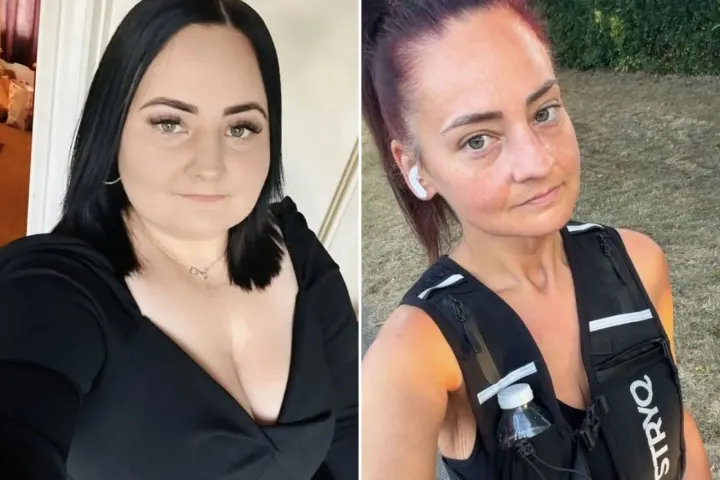
Returning home brought the severe reality of her condition into focus for Ruth Jones. Prior to the medical emergency, she was known for a vibrant personality and described as the life and soul of the party. Afterward, she felt traumatised and exhausted, with paralysis down one side of her face that prevented proper eating, alongside a lack of rehabilitation or follow-up checks.
"It felt like I had been pushed off a cliff," she said. "One day, I was surrounded by doctors, and the next I was at home with no support with how to navigate life after a stroke. And a body I didn't recognise anymore." Encouraged by friends, she eventually contacted her doctor again and received a referral for rehabilitation, though she continues dealing with fatigue, overstimulation, and personality changes.
Katie Chappelle, associate director for Wales at the Stroke Association, said: "Ruth's experience shows why recovery must not end when someone leaves hospital." She added that support should not depend on location or wealth, noting that a new report highlights the scale of challenges across Wales and the need for sustained investment throughout the entire stroke pathway.