The U.S. midterm elections are almost here, and analysts are weighing whether pollsters or prediction markets will deliver the most accurate forecasts.
Survey firms have been asking voters about their likelihood to vote and candidate preferences, showing several tight House contests with Democrats ahead and many Senate races competitive in traditionally Republican states such as Texas and Alaska. Prediction markets have also entered the race.
Polling still relies on sampling, usually about 1,000 respondents, which yields a plus or minus three-point margin of error. In close contests, example, Candidate A at 49%, Candidate B at 47% and 4% undecided, the error range reduces the predictive power of the poll. Numerous races this cycle fall into that bracket.
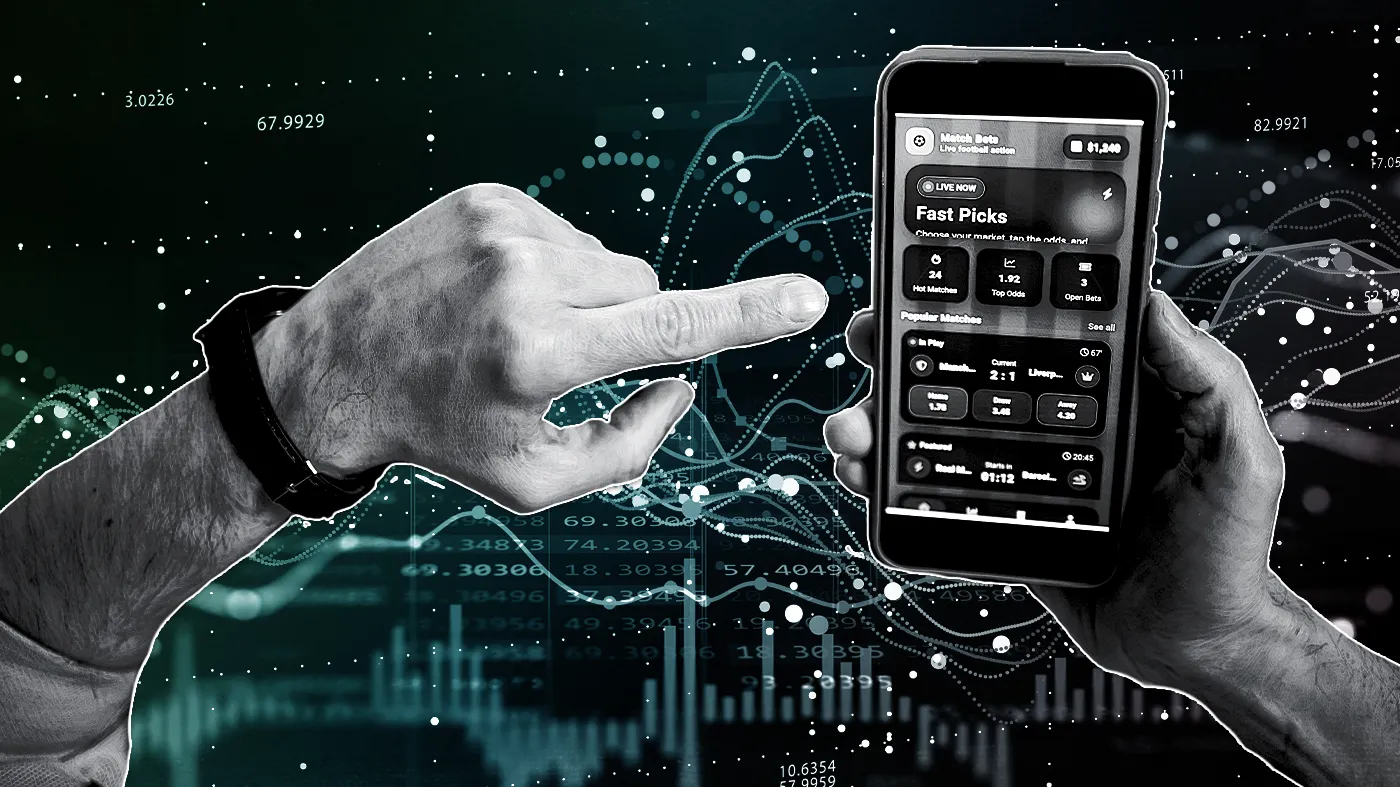
Prediction markets operate differently: traders buy yes/no contracts priced from $0 to $1, reflecting the market's estimate of a candidate's chance of winning. A contract trading at 60 cents implies a 60% probability. These markets do not publish a margin of error.
Retrospective analysis found prediction markets outperformed polls in the 2024 presidential election, possibly because bettors self-select and aim to profit, whereas poll respondents are randomly sampled.
The key question is whether market participants represent the electorate. Betting motives, whether bettors back likely winners or preferred candidates, remain unclear.
Because anyone with platform access can wager, while only U.S. citizens may vote, there is no guarantee prediction markets will be reliable. Bettors typically seek profit and may incorporate poll data, making market odds partially dependent on polling. Markets update in real time, unlike static poll snapshots.
Recent polls show more Democrats (69%) than Republicans (61%) oppose election betting, while support is higher among Republicans (16%) than Democrats (12%). Younger male bettors dominate the demographic, which could skew market odds and give Republican candidates an apparent edge that may not translate to actual results, though market efficiencies should correct distortions.
Polling remains a longstanding method for election forecasting, while prediction markets are a newer digital-economy phenomenon. Both approaches face challenges from the many races that sit within the poll margin of error, producing contradictory signals that signal true toss-ups.
Turnout will ultimately decide outcomes, but factors such as bad weather or personal emergencies on Election Day are unpredictable.
If poll samples miss the voters who actually turn out, poll predictions may be misleading. Likewise, if bettors do not reflect voter behavior, market odds will have limited value.
After the vote, both pollsters and market operators will claim credit and explain errors. However, the stakes differ: polling flaws can be corrected, whereas prediction markets are commercial platforms where accuracy drives revenue.
In the end, the true winners are the voters who cast ballots, providing the data that ultimately matters.
Sheldon H. Jacobson, Ph.D., is a professor of Computer Science at the University of Illinois at Urbana-Champaign. He applies his expertise in data-driven risk-based decision-making to evaluate and inform public policy.