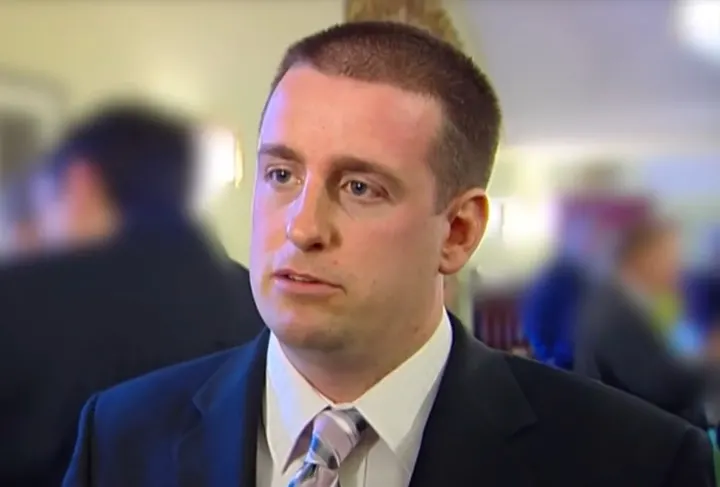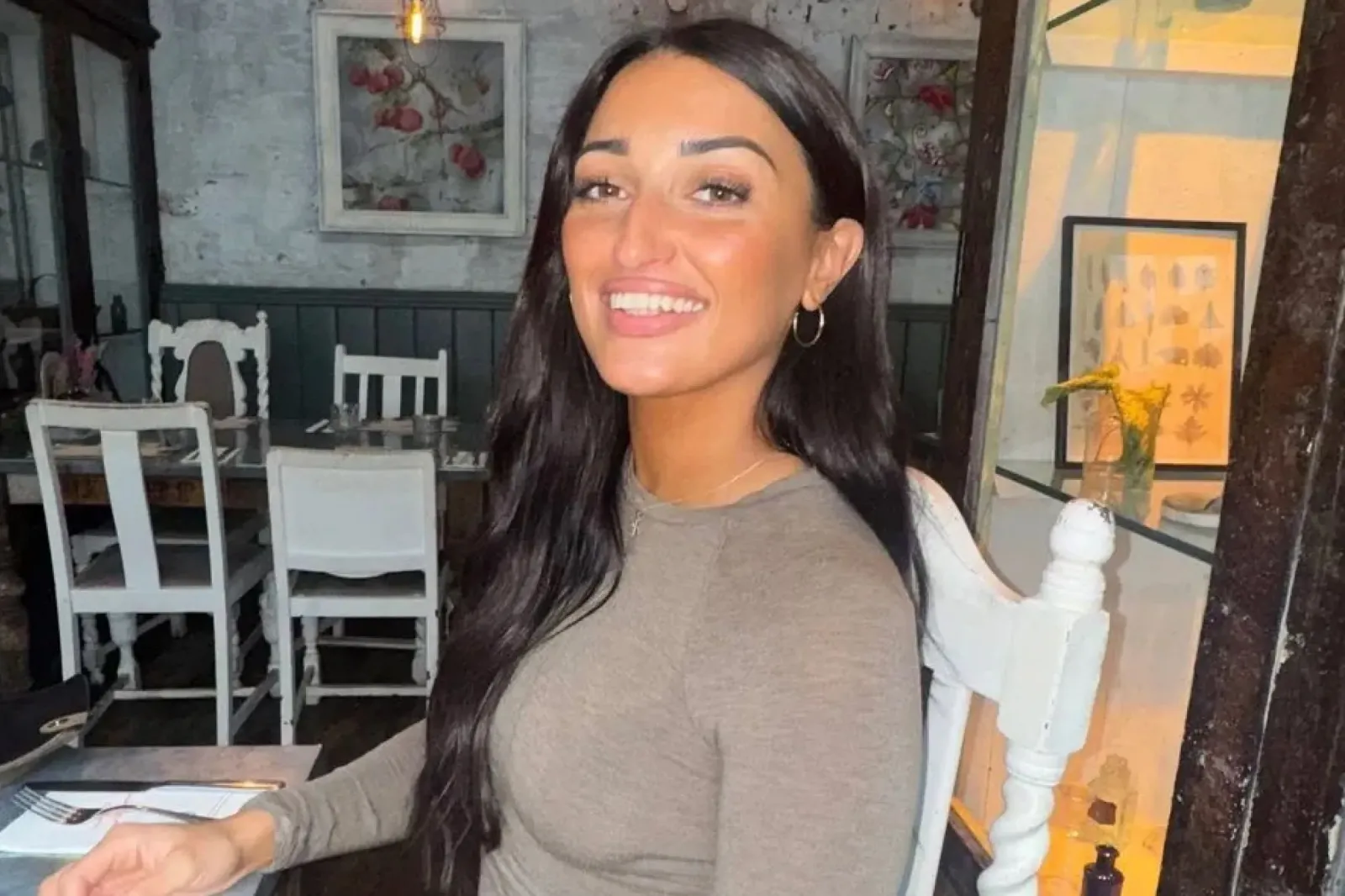
John Gizzi, the gangster nicknamed "Mr Big", was sentenced to four years and eleven months in prison for a series of violent acts that left model Natasha Farah brain-damaged and her sister Samantha strangled. The court found that Gizzi's abuse, spanning from March 1, 2025 to April 8, 2026, involved coercive control, physical assaults and psychological torment. He also pleaded guilty to a separate offence of withholding a mobile phone PIN on April 27, 2026. The judge, Simon Mills, emphasised that the case represented one of the worst examples of domestic abuse involving misogynistic language and repeated threats.
Who Was John Gizzi?
John Gizzi, a former mixed-martial-arts fighter and ex-gangster, has a long criminal history. He was first jailed in 2006 for assaulting two homeless men in Rhyl with a wooden stave, a sentence that was cut short after three years. In 2011, Gizzi received an eleven-year term for conspiring to smuggle cocaine into Wales. After his release, he moved into a mansion in St Asaph, North Wales, where he owned property valued at £1.75 million, a Bentley worth about £100 000 and frequently wore a Rolex watch. Despite his past convictions, Gizzi continued to engage in violent and controlling behaviour, culminating in the abuse of Natasha Farah and her sister.
The Abuse of Natasha Farah
Natasha Farah, a model, became the target of a sustained campaign of bullying and physical violence. Gizzi controlled her wardrobe, repeatedly abused her verbally, punched her in a car park, struck her at a busy gym and threw a heavy dumbbell at her. The assaults escalated to the point where Farah attempted suicide, resulting in severe brain damage. Gizzi's actions were described by the court as "coercive and controlling behaviour" that spanned more than a year. The judge noted that Gizzi used "dreadful, misogynistic, and sexist language" on a frequent basis, contributing to the victim's humiliation and loss of self-worth.
Attack on Samantha Farah
When Samantha Farah tried to intervene and help her sister, Gizzi strangled her on April 3 of the same year. The assault occurred in a pub where Gizzi grabbed her neck, an act that the court recorded as intentional strangulation. The victim later described her experience at Mold Crown Court, stating that Natasha was "trapped in her own body" and that no one could understand her pain except family members. Samantha also testified that Natasha had no happy memories of significant days such as Valentine's Day, Boxing Day or Mother's Day because Gizzi had assaulted her on those occasions.
Legal Proceedings and Sentence
Gizzi pleaded guilty to the offences of coercive control against Natasha Farah and to the assault on Samantha Farah. He also admitted failing to disclose a mobile phone PIN to police on April 27, 2026. The judge imposed a prison term of four years and eleven months, followed by a 15-year period of restraining orders and Domestic Abuse Protection Orders. Judge Simon Mills stated that while Gizzi could not be sentenced for Natasha's current condition, further evidence could prompt a police investigation. The sentence reflects the severity of the abuse, the impact on the victims, and the pattern of violence in Gizzi's criminal history.
Family Response and Public Reaction
Denise Farah, Natasha's mother, described Gizzi as a "smiling devil monster" and urged the court to make an example of him. She expressed that her daughter's brain damage was a direct result of Gizzi's actions. The case drew attention to the dangers of coercive control and the need for robust legal responses to domestic abuse. Public outcry highlighted the importance of protecting victims and ensuring that perpetrators face appropriate consequences.
Domestic Abuse Support Resources
Domestic abuse can affect anyone, including men, and does not always involve physical violence. The following resources offer help:
- The Freephone National Domestic Abuse Helpline, run by Refuge, at 0808 2000 247.
- Respect Men's Advice Line at 0808 8010 327 or ManKind at 0182 3334 244 for men who are being abused.
- Galop at 0800 999 5428 for those who identify as LGBT+.
- In immediate danger, call 999.
Statistics show that one in four women and one in seven men will experience domestic abuse during their lifetime. Police receive a call for help relating to domestic abuse every 30 seconds.
Suicide Prevention and Mental Health Support
Every 90 minutes in the UK a life is lost to suicide, the leading cause of death for people under 35. Men are three times more likely to take their own life than women. The following organisations provide mental health support:
- CALM, 0800 585 858.
- Heads Together, www.headstogether.org.uk.
- HUMEN, www.wearehumen.org.
- Mind, 0300 123 3393.
- Samaritans, 116 123.
In the courtroom, Samantha Farah described Natasha as "trapped in her own body" and lamented that no one could understand her suffering except family. She expressed that no sentence could restore the life they once shared. The judge's remarks highlighted the seriousness of coercive control and the lasting impact of misogynistic language on victims' self-worth.
What Happens Next?
Following the sentence, Gizzi will serve his prison term and will be subject to ongoing restraining orders for 15 years. The court's decision may prompt further investigations into other potential victims of coercive control. The case serves as a reminder that domestic abuse can have severe physical, psychological and legal consequences for both victims and perpetrators.
Related Stories
For more information on related topics, see Lisa Nandy Remembrance Sunday Remarks Spark Brexit Reversal Backlash and Members of Congress Sue for Back Pay Claiming Underpaid Salaries.