The cryptocurrency industry is facing a political reckoning as Democrats with a more skeptical view of digital assets prepare to take control of Congress, casting uncertainty about the industry's legislative prospects. As the sector scrambles to make inroads with the incoming majority following the midterms, the uncertain future of crypto policy loomed over The Hill and The Block's Capitol Crypto Forum on Thursday, where lawmakers and industry leaders were divided over the prospects for reviving stalled legislation.
The crypto world had a powerful ally in President Trump and a GOP-controlled Congress after a series of clashes with Biden-era regulators. Trump-appointed regulators eased federal oversight of digital assets, numerous investigations were dropped against digital asset firms, and Republicans passed landmark legislation establishing the first regulatory framework for stablecoins. But after the Clarity Act, a major crypto regulation bill, failed to pass the Senate, insiders agree that the chances to revive the effort are slim, as crypto faces new congressional scrutiny. Now, the industry is bracing for what comes next from newly Democratic-controlled committees and the future of digital assets in Washington.
Here are five takeaways from Thursday's event, which was sponsored by Bitget, Block, Inc. and Latham & Watkins.
Outlook for the Next Congress
Rep. French Hill, the Republican representative for Arkansas and chair of the House Financial Services Committee, pointed to the 78 Democrats who backed the Clarity Act in the House as evidence that the sector still has allies across the aisle. Hill noted he was encouraged by a memorandum from Rep. Maxine Waters, a California Democrat hoping to succeed him as chair, outlining digital asset market structure as an issue she intends to address. Sen. Bernie Moreno, a Republican from Ohio and co-sponsor of the Clarity Act, highlighted an unlikely partnership with long-standing crypto critic Sen. Elizabeth Warren, a Democrat from Massachusetts, as someone who could help advance policy. Rep. Steve Horsford, a Nevada Democrat and lead sponsor of the PARITY Act, expressed optimism that a bipartisan agreement remains possible.
The Future of the Clarity Act
The Clarity Act failed to pass the Senate in September, leaving many backers questioning if Congress missed its best chance to pass key items in its legislative agenda. Hill expressed regret for separating the Clarity Act from the GENIUS Act, the stablecoin legislation signed into law last year, arguing that prolonged negotiations allowed new demands to accumulate. Stu Alderoty, chief legal officer at technology company Ripple, noted that internal disagreements also complicated negotiations, citing disputes over stablecoin rewards and the Trump family's involvement in crypto. Most attendees agreed that with just weeks remaining for the 119th Congress, the chances of a revamped bill passing soon are low.
Crypto Caught in Political Crossfire
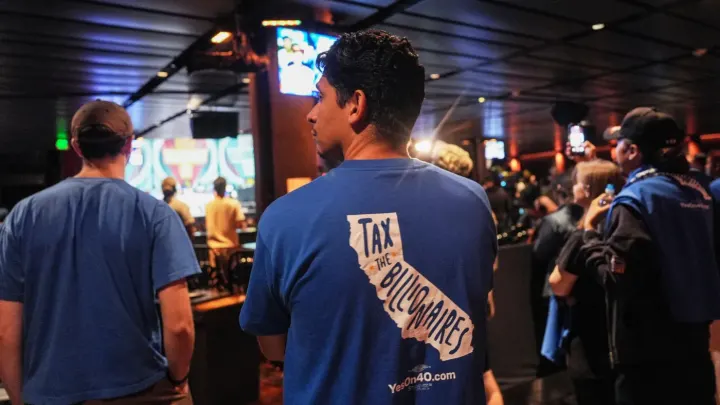
The cryptocurrency industry poured millions into this year's midterm elections, backing supportive candidates across more than 100 races nationwide. Despite heavy spending, the sector suffered defeats in key contests, including spending $55 million against Sen.-elect Sherrod Brown, a Democrat from Ohio who defeated incumbent Sen. Jon Husted, a Republican from Ohio. Moreno lamented how digital asset regulation became entangled in partisan politics during the event. Peter Van Valkenburgh, executive director of Coin Center, highlighted an internal debate within the Democratic Party regarding its approach to emerging technology, pointing to growing skepticism around artificial intelligence and advanced tech.
Regulators Stepping In Where Congress Could Not
With the Clarity Act stalled, the Securities and Exchange Commission and the Commodity Futures Trading Commission could take the lead in establishing clearer rules. Moreno argued that regulators could achieve much of what Congress failed to do through formal rulemaking. Hill remained skeptical, warning that agency regulations could face lawsuits and be reversed by future administrations. Kristin Smith, a cryptocurrency industry advocate and interim CEO of the Blockchain Association, suggested that allowing agencies to develop rules now could make it easier for Congress to address remaining gaps through focused legislation later.
Prediction Markets Tout Election Accuracy
Prediction markets emerged from the midterms with a strong showing, accurately forecasting a significant portion of election races. Brian Quintenz, a board member at prediction market platform Kalshi, praised the betting markets for providing voters with valuable information as results came in. The former Commodity Futures Trading Commission commissioner pointed to Senate races in Mississippi and Alaska, where prediction markets quickly signaled upsets by Democratic candidates Scott Colom and Mary Peltola as votes were counted. However, the rapid growth of these markets has drawn scrutiny from lawmakers concerned about market manipulation and insider trading by individuals with access to crucial information.