Learners scammed by My Crash Course
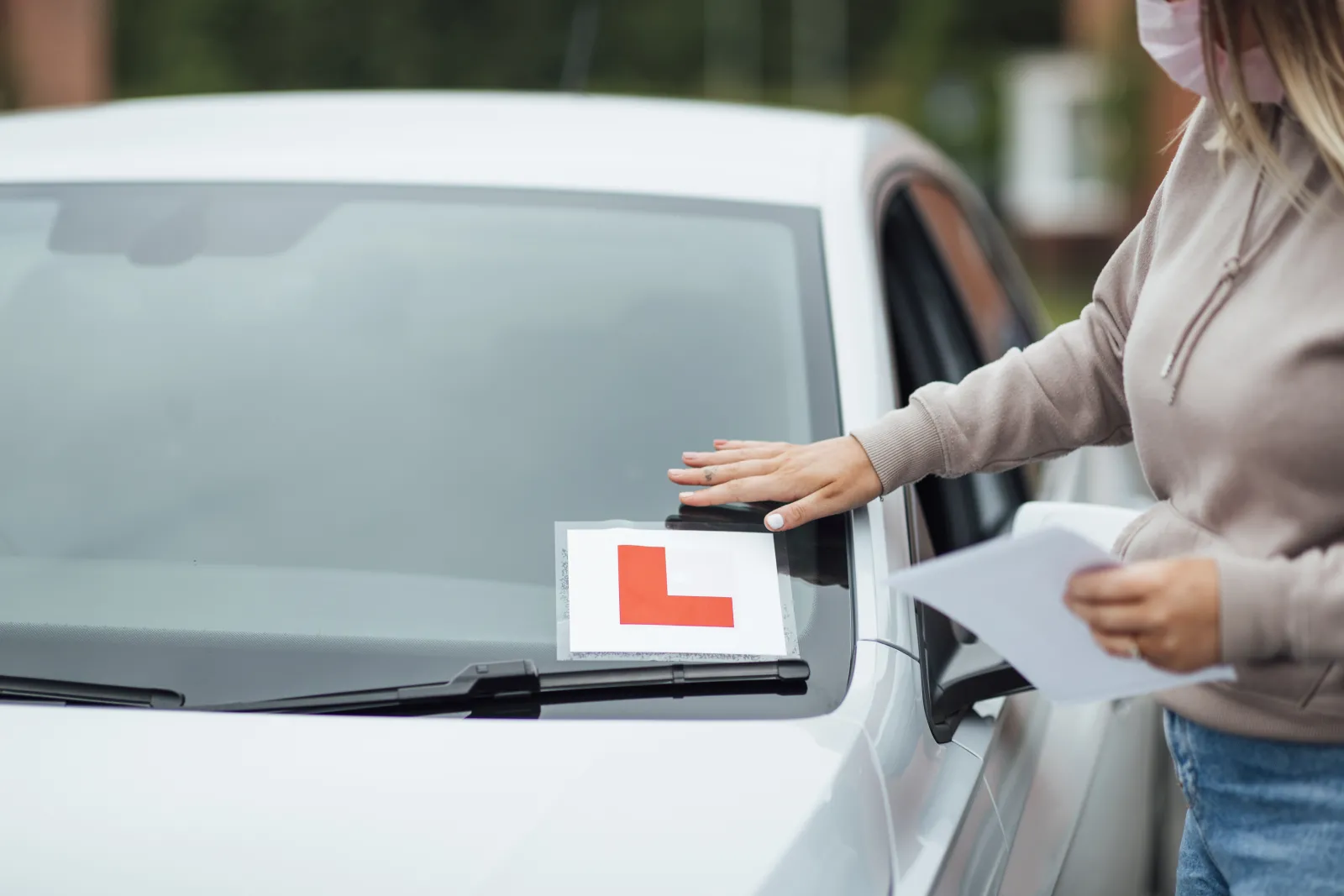
Dozens of learner drivers claim they have been scammed out of thousands of pounds by a crash course scheme that has seemingly vanished with their cash. Would-be motorists paid up to £1,740 to My Crash Course, which promised intensive lessons designed to teach people as quickly as possible. The company was advertised at the top of Google and initially had good reviews on TrustPilot, suggesting to customers that it was legitimate. But now, numerous people claim the lessons never materialised, their money has been taken, and the contact details for My Crash Course have stopped working. As of the end of October, online reviewers have complained to TrustPilot that more than £36,000 has been taken from their accounts in total, without a single lesson being delivered.
Victims share their experiences
Jessenia Sadiq, 26, from Dewsbury, West Yorks, paid £535 online to book 10 hours of lessons back in September after her regular instructor told her she wasn't ready for her upcoming test. Despite having a driving test scheduled for September 30, a representative from My Crash Course told Jessenia in writing that she should cancel it as they could then rebook her for another test in November to give her more time to practice. After providing a copy of her provisional driving licence online, the company put her in touch with an instructor, identified as Lauren, over WhatsApp, who arranged her lessons for 11am on October 21. Until then, self-employed Jessenia said there were no alarm bells, but when Lauren didn't call her ahead of the session, she realised something was wrong. Jessenia went back on to the company's website, but it had been taken down, and phone calls were left unanswered. On TrustPilot, dozens of one-star reviews had been left from people who said they'd been scammed. To make matters worse, Jessenia said someone had registered with credit reporting agencies, such as Clearscore and Experian, under her name but with a different e-mail address than her own. In the year from January to November 2026 there were 466 driving-related scams overall across lessons and tests, according to data from Santander. On average victims lost almost £400 to the scam. According to website registration information, mycrashcourse.co.uk was registered with American domain company Namecheap on April 6 this year, just 12 days before the company's first five-star review on TrustPilot came through on April 18. The company's first negative reviews didn't start coming through until October. One of those negative reviewers is Clare Thomas, 53, from Stratford upon Avon, who booked 40 hours of lessons for her 16-year-old daughter Phoebe. Clare paid £1,595 on her credit card and provided her daughter's provisional licence and other personal information, and a member of staff told her an instructor would contact her within seven days. But after hearing nothing for five days, Clare e-mailed the company to check everything was OK and the e-mail failed to deliver, while the website had been taken offline. Both Jessenia and Clare have since made police reports through Report Fraud, though the police agency told Clare that it would not be allocating her report to a police force due to its investigative priorities and the information currently available.
How to avoid falling for driving scams
Santander's head of fraud shares what to look out for.
- Social media platforms are driving the majority of fraud losses for learners, so it really pays to be careful online. And don't make a payment unless you have confirmed that the instructor or exam are genuine and official.
- Don't let your need for a driving licence push you into unofficial routes, as criminals always capitalise on demand with tempting offers such as cheap deals, or fast-tracked tests. The old adage applies, if it looks too good to be true it probably is.
- Only book a driving test through official companies and organisations, and be clear on how much they actually cost. The DVSA says a theory test costs £23 for cars, and the test itself is £62 and £75 at the weekend.
- Where possible, use your card to pay, or a secure payment platform, avoiding a bank transfer for a service or seller you haven't verified.
- Popular messaging services such as WhatsApp are increasingly being used to target people with scams. Be vigilant to messages you receive claiming to be from official organisations such as the DVSA.
- Always check that the website you've clicked through to is the official site, as fraudsters make very believable versions of the real thing. So check it's actually the DVSA, or a test booking site you're engaging with.
- GOV.UK is the only official driving test booking service.
Report Fraud said that it received RF26100458116C on 17 October 2026 and RF26100462694C on 21 October 2026. Both reports were assessed by the Report Fraud Analysis Service at the City of London Police but have not been passed to a police force for investigation. They will continue to be reviewed against new information received from new reports made to Report Fraud. Over 850,000 reports are made every year, and these reports are assessed against several criteria, but unfortunately not every case will be sent to law enforcement for investigative opportunities. A Trustpilot spokesperson stated that each profile allows users to filter reviews based on star ratings, recency, and specific keywords to help consumers establish a clearer picture before engaging with a business. A Google spokesperson noted that they have strict ads policies governing the types of ads and advertisers allowed on their platforms, and upon review, they removed the ads shared with them for violating those policies. Namecheap was contacted for comment, while messages and calls to phone numbers and e-mail addresses linked to My Crash Course went unanswered.