Mauritanian filmmaker Abderrahmane Sissako approached his first immersive film, Artou, without any fear of unfamiliar technology. The Oscar-nominated director of Timbuktu focused instead on having a meaningful message to convey through the new medium.
Art is a way of examining things, as Abderrahmane Sissako told Variety. Cinema functions as a form of expression with its own distinct intonation.
Details of the Immersive Film Artou
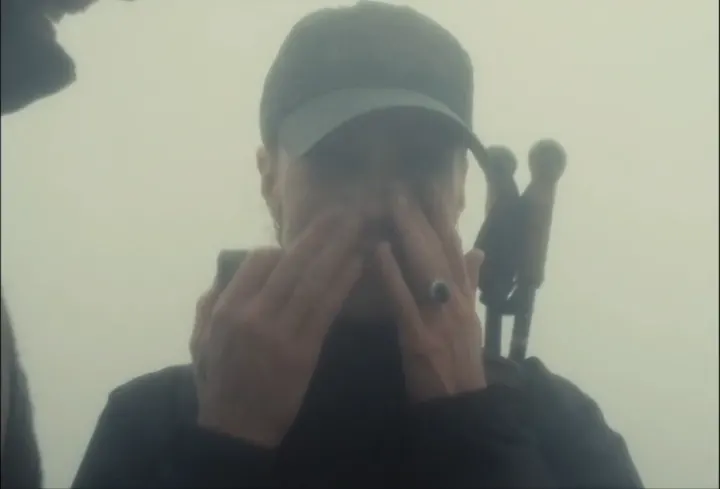
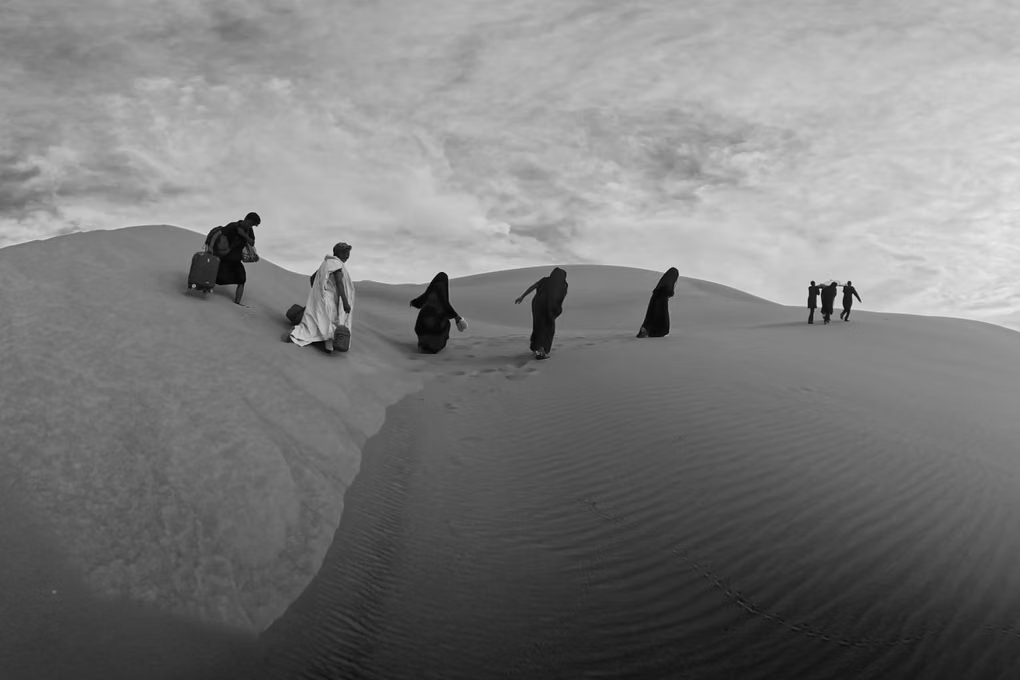
Presented at the fourth edition of Ivory Coast's International Salon for Audiovisual Content of Abidjan, known as SICA, Artou follows six siblings as they accompany the body of their deceased father from Europe to his native Mauritania. The 27-minute production is narrated and co-produced by Omar Sy, who is known for Lupin. The work explores themes of exile, belonging, and mourning.
The project premiered in the Venice Immersive competition at the Venice Film Festival in September before traveling to the Cairo and Doha film festivals. Artou is a co-production between France, Mauritania, Luxembourg, and Qatar. It originates from Omar Sy's production company Korokoro, France Televisions, Dune Vision, and a_BAHN, with backing from the Film Committee at Media City Qatar, while Diversion handles international sales.
Why Abderrahmane Sissako Chose Abidjan
When Variety approached Abderrahmane Sissako for an interview at an international festival earlier this month, the director preferred to hold the conversation in Abidjan. He insisted on giving greater visibility to the African industry gathering.
Young people who want to make films are here, and they get to meet industry professionals, even in very informal settings, Abderrahmane Sissako explains. It is very important to support these efforts, and like so many others, he wants to play his part.
Bringing Artou to Abidjan was particularly important to Abderrahmane Sissako, who welcomed the opportunity to introduce local audiences to immersive storytelling. Young people and adults who had never heard of immersive cinema had the opportunity to see Artou at the event, according to the director.
Exploring Universal Themes in Cinema
More than experimenting with a new medium, Abderrahmane Sissako was interested in exploring a universal human experience. Life and death are constantly meeting, and death is one of the things that all of humanity shares, the director reflects. People arrive carried by others and leave carried by others, which is what truly interests him.
The courage and vulnerability of ordinary people have long informed the filmmaking style of Abderrahmane Sissako. Recognizing another person's fragility allows him to better understand and accept his own.
Vulnerability can be a strength, but making it a strength means ensuring that what a person wants and who they are are not defined by others, Abderrahmane Sissako observes. People are often made vulnerable by how others see them and by their misunderstanding, which takes courage to stand up to.
Investing in the Next Generation of African Filmmakers
An enduring love for Africa and a sense of responsibility toward the continent lie at the heart of the desire to create for Abderrahmane Sissako. Having the opportunity to make films from a continent where not enough productions are made brings a sense of privilege and a desire to do things that make sense for the region.
That conviction extends beyond his own filmmaking as Abderrahmane Sissako develops Treich Studio Academy in Abidjan. The ambitious complex is set to house studios, incubators, screening rooms, and technical training facilities.
At some point, a person realizes that it is not necessarily about making the most important film, but about passing something on to others, Abderrahmane Sissako says. Passing knowledge on to the next generation is essential because many young people in Africa want to express themselves through films, which requires training and learning.
Background on Immersive Cinema and SICA
Immersive cinema uses virtual reality headsets and 360-degree environments to place viewers directly inside the narrative world. Events like the International Salon for Audiovisual Content of Abidjan provide platforms for African creators to showcase cutting-edge digital media alongside traditional filmmaking. International co-productions frequently bridge European and African funding to support innovative storytelling formats.
Festivals such as the Venice Film Festival have increasingly embraced virtual reality and immersive competition categories. Directors like Abderrahmane Sissako use these technological advancements to tackle deeply human narratives concerning migration, family bonds, and cultural identity across borders.
What Happens Next for Treich Studio Academy
Abderrahmane Sissako envisions Treich Studio Academy as an institution with an international reach that will welcome students from across Africa as well as from Europe, the United States, and beyond. The director insists that Africa can offer a space where young people from different worlds can meet in a dynamic city like Abidjan.
Aspiring African filmmakers are also encouraged by Abderrahmane Sissako to discover the work of their predecessors on the continent. Studying past works allows creators to realize that telling stories is possible, while curiosity about cinema from elsewhere prevents generational weakness.