Timeline of Symptoms and Misdiagnosis
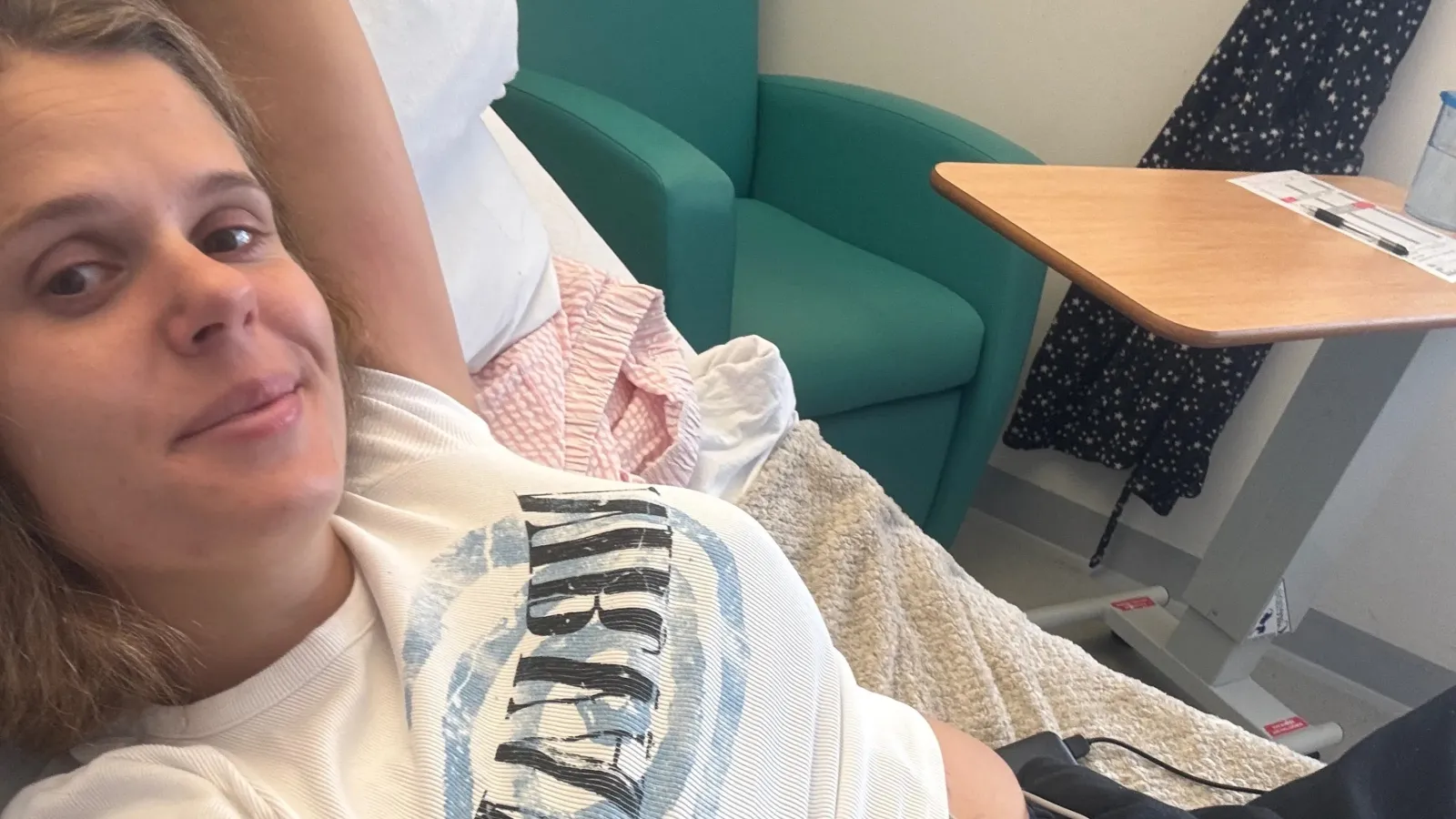
Szandra Tar, a 34-year-old Police Scotland evidence worker from Grangemouth, first reported an aching shoulder in late 2024. Doctors blamed over-exercising, while later heart palpitations were attributed to stress and anxiety. A severe flu bout in late 2024 did not fully resolve, and breathlessness during runs prompted at least six GP or A&E visits as her condition worsened.
Delayed Heart Failure Diagnosis
Doctors finally recognised the heart was failing after Szandra developed chest pains, severe fatigue, a crackling throat sound and coughing up blood. A heart rate of 147 beats per minute led to hospital admission for urgent tests. Scans revealed fluid in her abdomen, heart and lungs, and two cardiologists informed her of severe heart failure. Her heart function was only 13 per cent.
Treatment and Current Management
During an 11-day hospital stay, surgeons fitted an automatic defibrillator (ICD). Szandra now takes 11 pills daily, limits fluid to two litres, monitors salt and potassium, and manages stress. She no longer plays volleyball but participates in pilates, walks frequently and can still drink socially.
Statistical Context and Rising Trends
More than one million people in the UK have heart failure, expected to double to two million by 2040. Hospital visits for heart failure complications rose 50 per cent over a decade, from 174,000 in 2015 to 264,000 in 2025. The BHF notes 80 per cent of diagnoses occur after hospital admission, while 40 per cent could be detected earlier.
Underlying Cause: Dilated Cardiomyopathy
Szandra's condition originates from a genetic disorder called dilated cardiomyopathy, affecting roughly one in 250 people. The disease weakens and thins the heart muscle, reducing pumping ability. She acknowledges her chance of needing a transplant remains, and she may not live to 80.
Key Symptoms and Risk Factors
Heart failure symptoms include breathlessness, chest pain and swelling from fluid retention. Other signs are increased breathlessness during activity, weakness, dizziness, bloating, sudden weight gain, nighttime coughing and coughing up frothy pink phlegm. Risk factors are age 65 or older, obesity, pregnancy, smoking, heavy alcohol use or cocaine use.
Expert Commentary
Professor Bryan Williams OBE, BHF Chief Scientific and Medical Officer, stresses the urgency of earlier detection. He notes that many patients are diagnosed only after hospital admission, missing opportunities to reduce damage. The BHF is raising awareness of the three main symptoms to encourage earlier testing.
Personal Impact and Outlook
Szandra says she feels anxiety and fear, setting hourly alarms to wake up. She hopes to live long enough to see her children grow. The National Institute for Health and Care Excellence reports the average age of new diagnoses is 76, underscoring the rarity of her case at 34.
For more stories on health and medical issues, see Vet Answers Questions on Fighting Cats, Rabbit Litter Training and Raw Diets and Nurse Blames Shoes as Child's Brain Tumour Diagnosis Delayed.