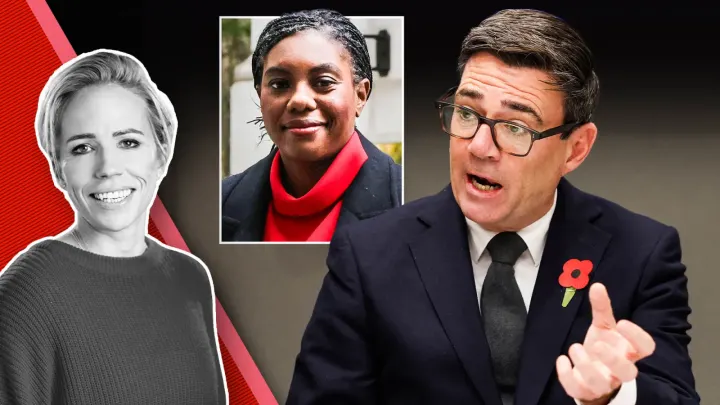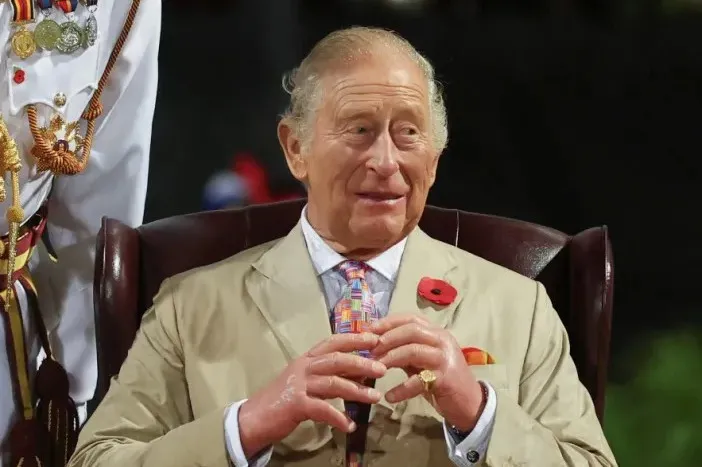
King Charles has blasted slavery as a shameful chapter of Britain history but hailed our heroic navy who crushed evil during an address to the Commonwealth Heads of Government Meeting (CHOGM) in Antigua and Barbuda. Addressing the delegates and world leaders, Charles stated that history also teaches us that evil need not have the last word, while describing how character and courage can combine to overcome the most monstrous injustice. This intervention comes after demands for reparations and a formal apology for slavery overshadowed his nine-day visit to the Caribbean, with Prime Minister Andy Burnham saying he is open to the UK issuing a formal apology and Antigua Prime Minister calling for reparations this week.
The UK Parliament passed the 1807 Slave Act to abolish the transatlantic trade between Africa and America and the Caribbean. The following year, The Royal Navy West Africa Squadron was established to police the seas and stop slave traffickers. They stopped around 1,600 slave ships and freed more than 150,000 enslaved people over several decades bringing the abhorrent trade to an end. Thousands of Royal Navy sailors died stopping the trade.
This week the King and Queen have been committed not to shy away from the UK historical links to slavery. Making his opening address, The King, who served in the Royal Navy for five years in the 1970s, told the CHOGM delegates and world leaders: None of us, of course, would be here today were it not for our history, which has shaped us in myriad ways. History is not ours to choose or to change. It is bequeathed to us in complex synthesis by forebears we can never know. Our inheritance includes both their achievements and their failures, the good they did as well as the wrongs. History can be hard to compass, viewed as it is through the prism of time, which can be both clarifying and distorting, and yet its consequences resonate with contemporary force. Our history inspires us, can appall us, yet it can always teach us. We cannot change the actions of those who came before us. We can, however, learn from the past.
He continued: The transatlantic trade in enslaved persons still casts a shadow over these islands and other Members of our Commonwealth. As I have said before, that shameful chapter of history is one that fills my heart with horror and my soul with the most profound personal sorrow. And yet history also teaches us that evil need not have the last word, that character and courage can combine to overcome the most monstrous injustice, as they did with the determination to end international trade in enslaved people, in which the Royal Navy played such a leading role. The more I have furthered my own understanding of the issues, through listening, learning and looking, the more committed I have become to finding ways for us to work in modern partnership to address the wrongs of the past with action for the future.
Through improving access to education, investing in jobs and opportunities, encouraging intra-Commonwealth trade, and inspiring vital climate resilience measures across the world, I have always felt that there is so much that can be done to help lift up those who struggle against hardship and disadvantage. I have always tried to play my part in doing just that. For, as any sailor navigating the seas knows, we cannot command the winds, least of all where the winds of yesterday have delivered us, but we can choose how we set our sails. The Commonwealth of today is not merely a product of the past, it is a response to the world of today. Its vocation is more compelling than ever. In fact, in a desperately troubled world, the Commonwealth has welcomed new members who see the unique value of this organisation and have chosen to be part of its future.
World leaders of the 56 member states are expected to debate proposals for reparations and a formal apology during CHOGM.
Background on the Commonwealth and Historical Context
The Commonwealth of Nations operates as a voluntary association of 56 independent member countries, many of which share historical ties to the British Empire. The Commonwealth Heads of Government Meeting serves as the organisation highest consultative and policy-making gathering, bringing together prime ministers and presidents every two years to discuss global and regional issues. Antigua and Barbuda, where the current summit takes place, is an independent island nation in the West Indies that maintains King Charles as its head of state. Debates surrounding historical injustices, colonial legacies, and economic reparations have gained significant momentum across various Caribbean member states in recent years.
The transatlantic slave trade involved the forced transportation of millions of African men, women, and children by European traders to the Americas and the Caribbean between the sixteenth and nineteenth centuries. British merchants and colonial administrators played a central role in financing, transporting, and profiting from the trafficking of enslaved human beings. Abolitionist movements inside the United Kingdom, spearheaded by campaigners such as William Wilberforce and various religious groups, campaigned for decades against the economic and social foundations of the trade. Their efforts culminated in legislative action by the British Parliament, altering the geopolitical and economic landscape of the British Empire.
The Role of the Royal Navy West Africa Squadron
The Royal Navy established the West Africa Squadron in 1808 following the legislative abolition of the slave trade by the British Parliament. Operating primarily along the western coast of Africa, naval crews intercepted vessels flying various national flags that continued to transport captive human beings across the Atlantic Ocean. Patrol conditions were exceptionally hazardous due to tropical diseases, violent weather, and armed resistance from slave traffickers. Thousands of British sailors succumbed to yellow fever, malaria, and other ailments while stationed on blockade duties off the African littoral.
Captured slave ships were typically escorted to admiralty courts established in locations such as Freetown in Sierra Leone for legal condemnation. Liberated individuals were often given shelter, food, and basic provisions in West African settlements or recruited into local security forces. Historical records indicate that the squadron intercepted approximately 1,600 vessels and freed more than 150,000 individuals over the course of the nineteenth century. Despite these military operations, the institution of slavery itself persisted in British colonies for decades until the Slavery Abolition Act took effect in 1834, followed by a system of enforced apprenticeship that ended fully in 1838.
Reparations Debates and Modern Diplomacy
Calls for financial compensation, developmental assistance, and official apologies from former colonial powers have been championed by various Caribbean governments and regional coalitions. Organisations such as the CARICOM Reparations Commission argue that the enduring socio-economic disparities in the Caribbean are direct consequences of centuries of colonial exploitation and chattel slavery. Member states continue to press the United Kingdom and other European nations for structured dialogue regarding reparatory justice. These discussions encompass educational exchanges, healthcare infrastructure investments, and debt cancellation initiatives aimed at addressing historical harms.
Political leaders across the United Kingdom maintain varied stances on the question of issuing an unreserved state apology and financial reparations. While some officials express willingness to engage in constructive dialogue about historical accountability, others emphasize current diplomatic partnerships and economic cooperation within the Commonwealth. As world leaders gather for the summit, the ongoing discourse highlights the complex interplay between national heritage, historical acknowledgment, and modern international relations. Read more about the pressure King Charles faces regarding these historical debates.