Democratic Senate contenders in Maine, Alaska, and New Hampshire are focusing on surging home heating expenses as both winter and Election Day rapidly approach.
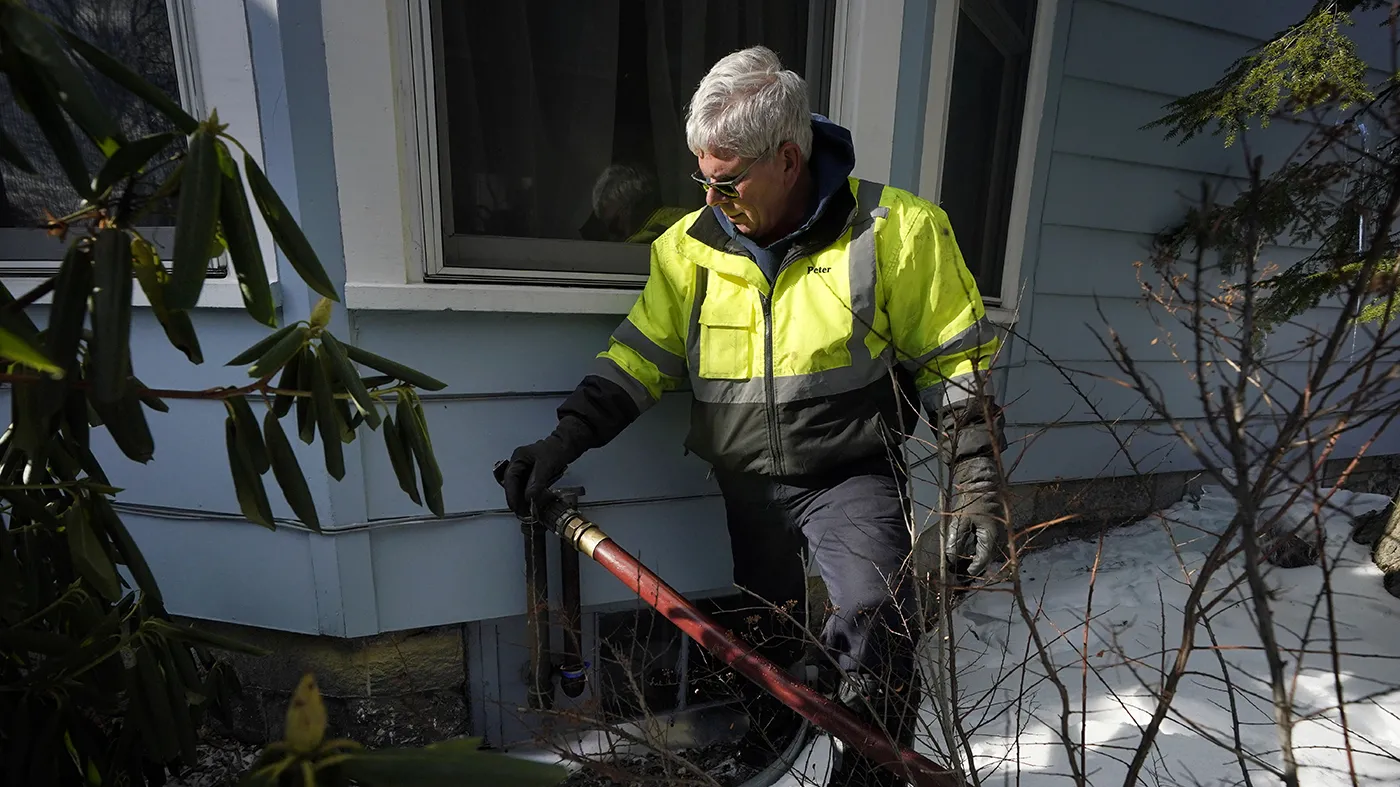
GOP candidates find themselves defending key battleground races against accusations that the party enabled President Trump's conflict in Iran, which pushed oil prices upward. Residential heating oil prices jumped from under $4 per gallon prior to the conflict to exceeding $6 currently.
“There are a lot of people here who are stretched pretty thin, and home heating costs are an issue even during the best of times,” noted Mark Brewer, chair of the political science department at the University of Maine.
“So when we’re talking about a spike like this, it’s a huge issue,” he added.
Decision Desk HQ notes that Democrats hold a narrow advantage to capture the Senate, while Republicans face voter frustration regarding expensive living costs stemming from the Iran conflict. Republican Senate contenders in Maine, New Hampshire, and Alaska either declined or did not answer requests for comment.
Maine represents a potential path to a Democratic Senate majority, with roughly half of local households relying on heating oil for warmth. Democrat Troy Jackson has attempted to pin responsibility on his rival, Republican Sen. Susan Collins.
“Unlike Susan Collins, Troy understands what it’s like to worry about the furnace shutting off in the middle of the night and in the U.S. Senate, he’ll fight to lower costs and end the war in Iran that’s only making it harder for Mainers to make ends meet,” stated campaign spokesperson Ella McFarlane.
The Collins campaign directed inquiries to a webpage pointing out the senator's opposition to the fighting and her vote supporting a halt to military actions, despite initially opposing efforts to stop the war. That webpage does not mention heating oil.
Energy expenses reflect a broader pattern of nationwide inflation. Seventy-five percent of American adults report higher energy bills recently, and 84 percent of registered voters surveyed by the Pew Research Center stated the economy influences their vote.
Collins urged the Trump administration during September to tackle heating oil prices ahead of autumn.
“It now costs about $675 more to fill a standard tank than it did last year — a significant hardship for the half of Maine households that heat their homes with fuel oil,” Collins wrote in a letter to President Trump, asking him to release oil from the Northeast Home Heating Oil Reserve.
The administration subsequently distributed 315,000 barrels of heating oil, though the exact level of relief for consumers remains uncertain. This action forms part of a series of announcements from Collins over recent months criticizing Trump or demonstrating influence over Washington decisions.
James Melcher, a political science professor at the University of Maine at Farmington, explained that the heating issue will solidify existing voter opinions about the candidates.
Supporters of Jackson blame Trump and Collins for expensive bills, whereas backers of Collins and the senator herself point fingers at Democrats and the Maine Legislature, according to Melcher.
House Democrat and Senate candidate Chris Pappas of New Hampshire urged fellow lawmakers to approve extra funding and complete distribution through the Low-Income Home Energy Assistance Program, known as LIHEAP. The program assists nearly 6 million households across the country with energy bills.
“Granite Staters deserve a fighter who is focused on lowering costs, delivering relief, and putting New Hampshire first — not rubber-stamping an agenda that leaves working families footing the bill,” Pappas remarked.
Former Republican Senator John Sununu from New Hampshire stated he would back increased LIHEAP funding, a priority shared by Collins. He also advocated for infrastructure investments to improve energy costs, while criticizing Trump for starting the Iran conflict without securing the Strait of Hormuz, an essential oil shipping lane.
Melcher noted that New Hampshire's Republican governor prevents Sununu from blaming state governance for high prices in the manner Collins used.
In Alaska, Republican Sen. Dan Sullivan faces a competitive reelection battle in a region where fuel and oil prices hit double digits in select towns. Sullivan proposed a ban on diesel exports to reduce expenses and remarked at an October rally that elevated costs represent a “small price to pay” to stop a nuclear Iran.
“The conflict in the Middle East is temporary,” Sullivan stated. “The true forever war is the national Democrats’ war against Alaska oil and gas and our jobs. That’s the forever war.”
Democratic challenger Mary Peltola placed the responsibility directly on Sullivan for backing Trump's platform, cautioning that Alaskans fear freezing because they must choose between food and home heating this winter.
“Mary will stand up to anyone to take on DC corruption, lower costs, and put Alaska first — and Dan Sullivan will be forced to answer for raising costs on Alaskans this November,” a Peltola campaign representative stated.
Alexander Hirsch, chair of the political science department at the University of Alaska Fairbanks, mentioned that Alaskan voters historically align with economic conditions. He noted that energy expenses are a persistent concern, and while residents blame various figures for rising oil prices, the electorate desires change.
“Some Alaskan voters are blaming tariffs, others have a different scapegoat, but I think the bottom line is that Alaskans want to see a change in a political representation in order to bring about an impactful change in terms of their everyday lives,” Hirsch stated.