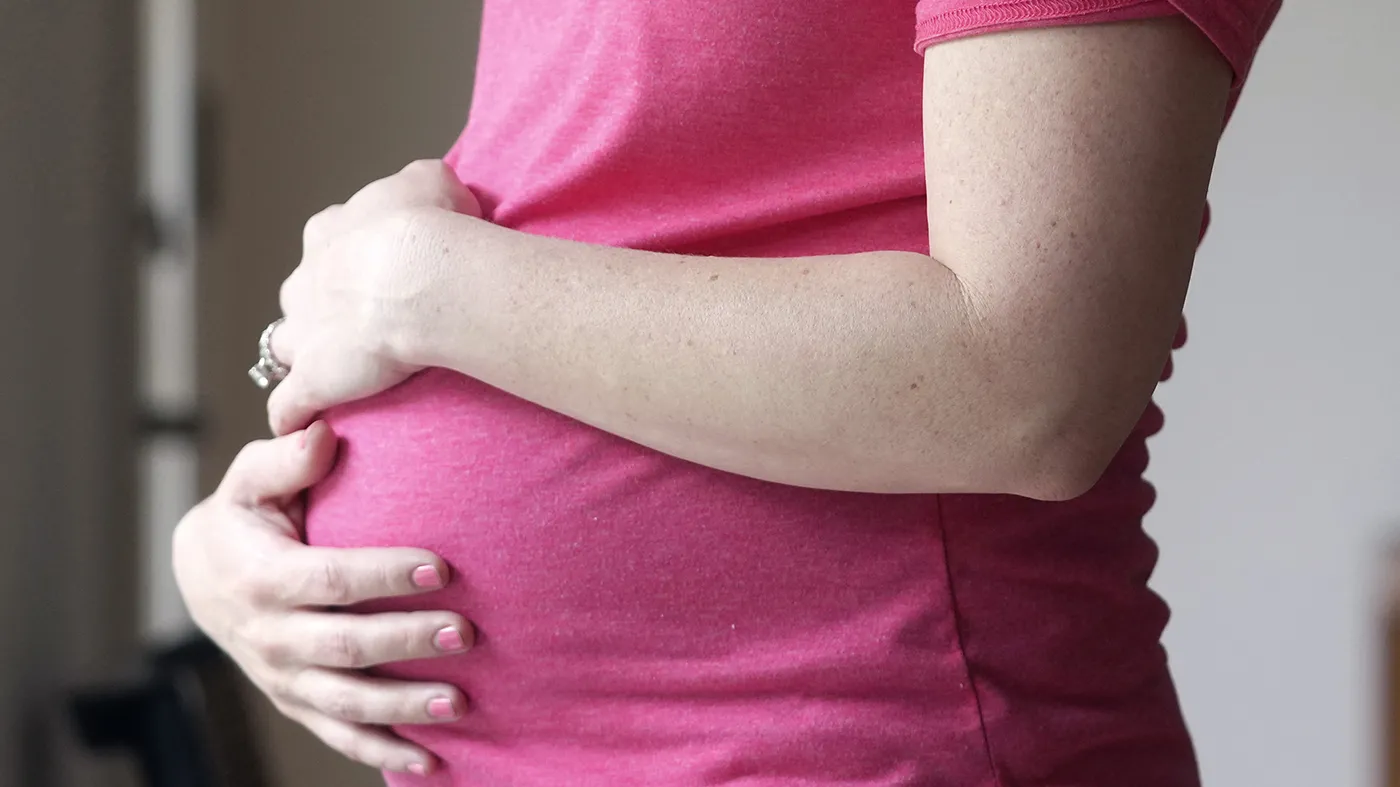
A recently published study found associations between certain maternal health conditions during pregnancy and autism diagnoses across racial and ethnic groups, highlighting how much remains unknown as the Trump administration searches for a cause of autism.
Researchers from the New York University Grossman School of Medicine and the Kaiser Permanente School of Medicine published a study earlier this month that included 224,353 children born at Kaiser Permanente Northern California hospitals between 2010 and 2017.
Out of the more than 200,000 children, 2.4 percent were diagnosed with autism, which is close to the 3.2 percentage rate reported by the Centers for Disease Control and Prevention. Across different racial and ethnic groups, autism rates generally hovered around 2 and 3 percent.
However, other findings stood out because four out of 25 maternal health conditions, including obesity, depressive episode, asthma and other maternal diseases complicating pregnancy, showed a higher association with autism diagnoses for white mothers compared to Black, Hispanic or Asian and Pacific Islander mothers.
Magdalena Janecka, associate professor at the Grossman School of Medicine department of child and adolescent psychiatry and co-author of the research, stated that the findings highlighted the need to further examine environmental factors.
Janecka mentioned in written responses that the link between certain environmental factors and autism is likely heterogeneous across population groups, not because fundamental biology differs, but because what those environmental factors entail may vary among individuals.
She emphasized that these findings are definitely not indicative that these maternal conditions cause autism.
Instead, she added that it may indicate some factors related to this maternal condition, such as genetic factors, are also implicated in autism, and more research is needed to understand what drives these effects.
That conclusion is unlikely to satisfy the Trump administration, as some officials have set out on a mission to find the cause of autism.
Health and Human Services Secretary Robert F. Kennedy Jr. stated in April 2025 that the administration would determine the cause of rising autism rates by September of that year, and when the deadline arrived, he and President Trump speculated from the Oval Office that acetaminophen taken during pregnancy could be linked to autism, without presenting new evidence.
Maternal medicine groups and autism advocates denounced this claim, and a month later Kennedy walked back his statement slightly by saying there is not sufficient evidence to say it definitely caused autism, but it is very suggestive.
Kennedy has also long refused to discount the theory that vaccinations could be linked to autism, despite no evidence being found linking immunizations to later diagnoses, while a CDC page published earlier this year claims studies supporting a link have been ignored by health authorities.
The overarching position of groups like the nonprofit Autism Speaks is that autism spectrum disorder develops as a result of both genetic and environmental influences, a position shared by Janecka.
Janecka noted that their study neither supports nor challenges this, explaining that they do not know what drove the observations and cannot attribute them to either genetic or non-genetic factors.
Researchers acknowledged that differences in access to care, insurance continuity, clinical follow-up and treatment patterns could have affected their observations.
An opinion piece published last year co-authored by Janecka argued that differences in potential causes of childhood neuropsychiatric outcomes are often overlooked, with social determinants frequently filtered out of analyses.
The authors wrote that since race and ethnicity function primarily as social constructs associated with experiences of structural inequities, racism and environmental injustice that align poorly with genetic ancestry, differences in exposure-outcome associations across race and ethnic strata arise largely from societal rather than biological causes.
The study published this month considered the history of underdiagnosis among certain groups, such as children of Black mothers being less likely to receive a diagnosis even when scoring high for autism-related traits during testing.
According to experts, autism does not occur at different rates across different races and ethnicities.
Andy Shih, chief science officer of Autism Speaks, stated there is no evidence showing any difference across race and ethnicity regarding autism diagnosis.
Shih added that while racial and ethnic differences in diagnosis appear between white, Asian, African American and Hispanic children, those gaps are closing, and the latest national report shows the gap in ethnicity-based assessment has closed.
Shih expressed hope that the study findings bring more attention to the need for the best healthcare access for expectant mothers.
Janecka added that she hopes the study highlights the need for more research stratifying observed effects by maternal race and ethnicity, as well as considering insurance status, urging researchers to better understand differences rather than regress them out of models.
The Hill reached out to Health and Human Services for comment.