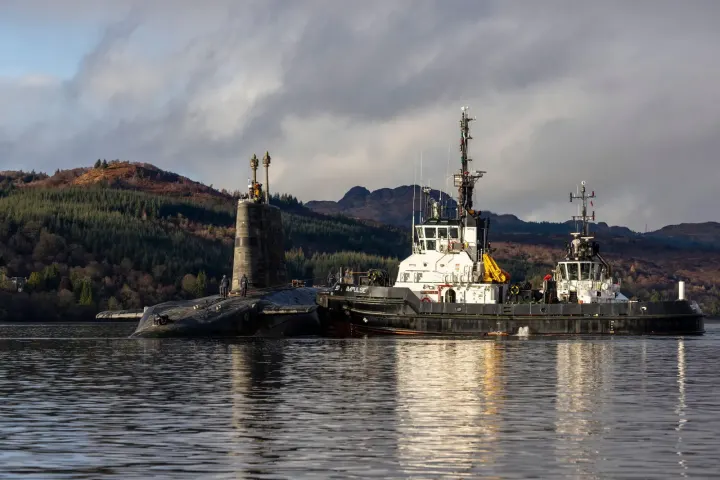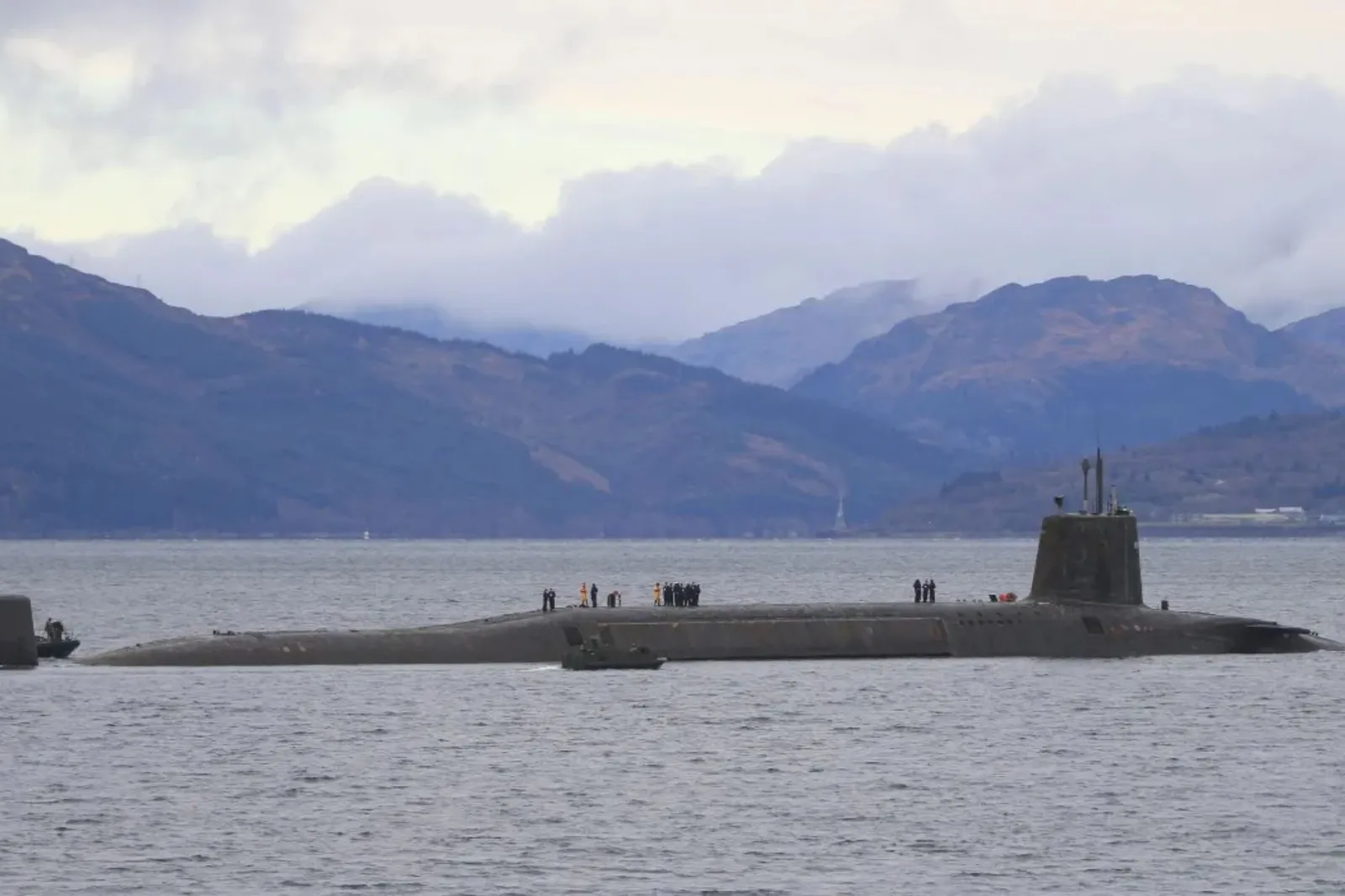
The Royal Navy's nuclear-armed submarine HMS Vengeance finally returned to HMNB Clyde after a record-breaking 217-day patrol, a duration that eclipsed the previous world record of 205 days set earlier that year by her sister ship, HMS Vanguard. The vessel entered the Clyde on Sunday to a hero's welcome, with crew members celebrated for an "incredible feat of human endurance" after nearly 31 weeks of isolation beneath the waves.
Patrol Details and Crew Experience
HMS Vengeance departed on 12 April, a day when Keir Starmer was still serving as Prime Minister. The submarine carried a 150-strong crew who have been cut off from the mainland, living in a 150-metre long vessel that operates in 8-hour shifts without natural light or fresh air. The crew has been unable to send messages home, as any communication could reveal the submarine's location. Instead, they receive a weekly text message, which the captain reads and censors to protect sensitive information. Critical news, such as deaths or illnesses, is withheld until the vessel's final day at sea, known as the patrol's "Day Zero." Sailors who receive such news are transferred to land immediately by boat or helicopter, often using the same transport that brings the VIP welcome party when the submarine docks.
Former submarine captain Ryan Ramsey praised the crew's resilience, calling the mission "an incredible feat of human endurance" not only for the sailors but also for their families, who are cut off from loved ones while the submarine is on patrol. "It is incredible what these submariners are doing," Ramsey said. "Not just for the crew but also for their families who are cut off from their loved ones while a submarine is on patrol."
Record-Breaking Extension and Maintenance Issues
HMS Vengeance was originally scheduled to return last week, but the patrol was extended at the last minute. HMS Vanguard, which was dispatched to relieve Vengeance, had to abort its mission due to a defect that required spare parts. The incident highlighted the Royal Navy's ongoing challenges with submarine maintenance and availability. First Sea Lord General Sir Gwyn Jenkins acknowledged that the Navy must improve its maintenance processes. "We need to improve our submarine maintenance," Jenkins said. "Of all the things I do in my daily activities, improving submarine maintenance and readiness is the thing that I focus on most - by far the most - because it is the most important thing that we do." He added that the nuclear deterrent protects roughly 150 million people across European NATO nations and that 150 personnel are on patrol 365 days a year to keep NATO safe.
Strategic Significance of the Vanguard Class
The Royal Navy operates four Vanguard-class submarines, each designed for 80-day patrols and a service life of 25 years. However, six of the previous seven patrols have exceeded 200 days, indicating that the vessels are operating beyond their intended endurance. The oldest submarine, HMS Vanguard, has been in service for 33 years, while HMS Vengeance, the youngest, was due to retire two years ago. The extended patrols underscore the strategic importance of maintaining a continuous nuclear deterrent, which the Navy claims has remained unbroken since 1969.
Government Support and Public Recognition
Defence Secretary Wes Streeting expressed admiration for the submariners, stating, "I am very proud of those who serve, providing what remains the cornerstone of Britain's defence." He added, "We can be extremely proud of their service, we can be extremely proud of the capability." The government's support highlights the national significance of the nuclear deterrent and the role of the Vanguard class in safeguarding national security.
Implications for Future Patrols
Captain Ramsey warned that the Navy should consider returning to shorter patrols to reduce strain on both the vessels and the crew. The extended patrols, while impressive, raise questions about the long-term sustainability of the current maintenance and operational schedules. The Royal Navy will need to address these challenges to ensure continued readiness and reliability of its nuclear deterrent fleet.
Background: The Vanguard Class and Nuclear Deterrence
The Vanguard class was introduced in the late 1990s to replace the older Resolution class. These submarines are the only vessels capable of carrying the United Kingdom's four Trident nuclear warheads. They are designed to operate silently, remaining undetected while patrolling the Atlantic and other strategic waters. The continuous deterrent strategy requires at least one submarine to be at sea at all times, a policy that has been in place since the 1960s. The Navy's commitment to this policy is reflected in the rigorous maintenance and rapid deployment capabilities of the fleet.
What Happens After the Patrol?
Upon returning to HMNB Clyde, HMS Vengeance will undergo a comprehensive inspection and maintenance cycle before its next deployment. The vessel will be refueled, systems will be checked, and any necessary repairs will be made to ensure it meets the stringent safety and operational standards required for nuclear-armed patrols. The crew will also receive a debriefing and support services to help them reintegrate after months of isolation.
Related Stories
For more on submarine operations and nuclear deterrence, see Russia Test Fires Bulava Missile From Submarine in Arctic Drill and Wildfires Threaten U.S. Water Supplies as Contamination Persists Over a Decade.