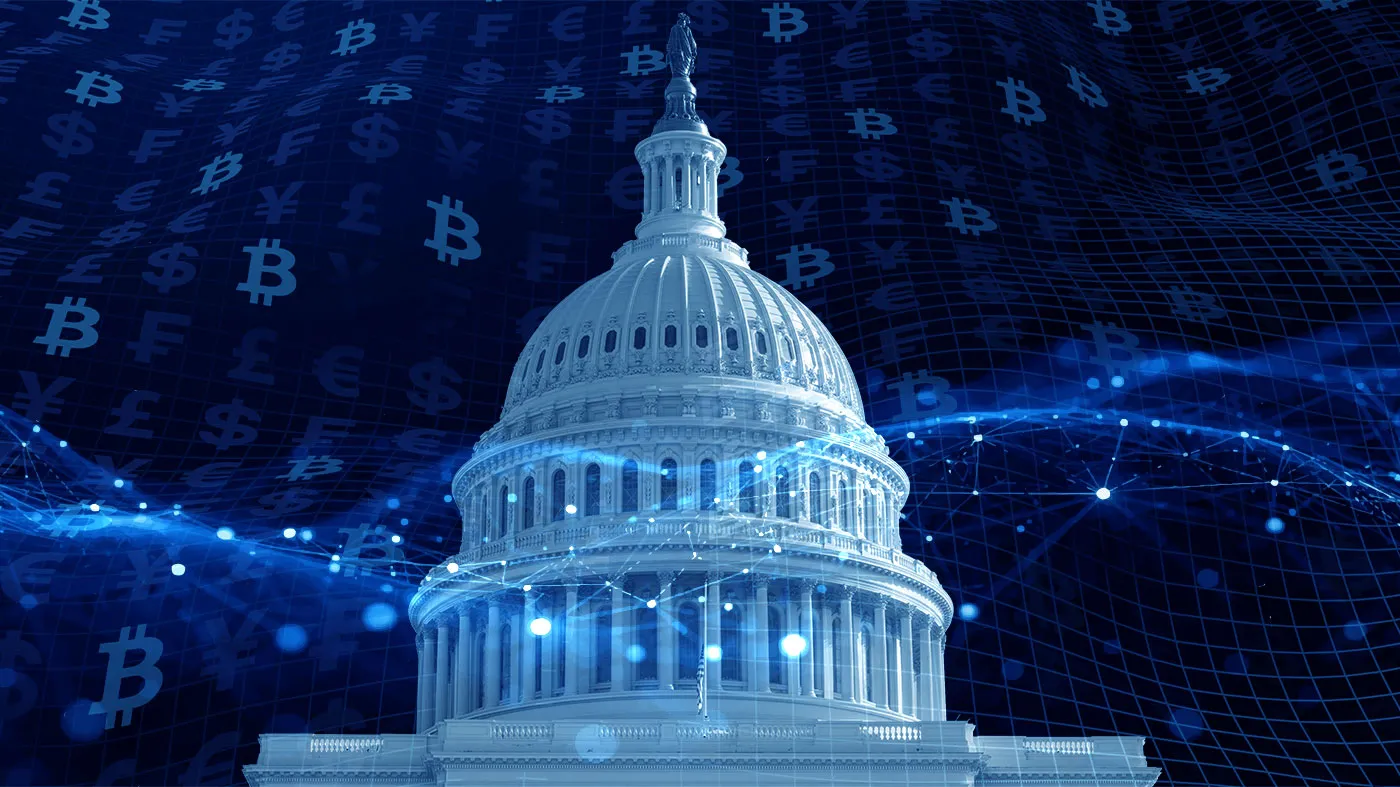
The cryptocurrency industry is preparing for a shift in congressional leadership, as Democrats now control the House and Senate, bringing a more skeptical stance toward digital assets.
Failed Clarity Act Leaves Crypto Without Major Legislation
After the Senate rejected the Clarity Act in September, the industry saw little hope for the bill in the lame-duck session or the incoming Congress. The measure, which would have established a regulatory framework for most crypto assets, failed when every Democrat and a handful of Republicans voted against it.
Former House Financial Services Chair Patrick McHenry (R-N.C.) told Bloomberg Television that the crypto coalition "blew it," holding out for a perfect bill and ending up with nothing legislatively.
Democratic Leadership Signals Increased Oversight
Senator Elizabeth Warren is expected to chair the Senate Banking Committee, while Representative Maxine Waters may lead the House Financial Services Committee, positioning more crypto skeptics in key oversight roles. Chris Niebuhr, senior research analyst at Beacon Policy Advisors, warned that "the expectation ... is that you'll have more crypto skeptics in positions of power."
Warren's likely focus on crypto, alongside Wall Street and other major corporations, could increase scrutiny of companies with ties to the administration. Niebuhr added that this may divert resources but may not materially impact overall business.
Midterm Results Hurt Crypto's Campaign Efforts
Democrats won sweeping victories in the midterms, including Ohio, where former Senator Sherrod Brown (D) defeated incumbent Jon Husted (R). The industry spent roughly $40 million opposing Brown in 2024 and poured even more into the race this cycle, yet it fell short.
Ian Katz, managing director at Capital Alpha, described the outcome as a "rough night for crypto."
Limited Legislative Opportunities in the New Congress
With only a few weeks left in the current session, there is little incentive to revive the crypto bill. Brian Gardner, chief Washington policy strategist at Stifel, said the bill is "off the table for the lame-duck session" and that Democrats are unlikely to advance it.
Gardner noted that while the SEC and CFTC have issued their own rules, their durability under a different administration is uncertain. He questioned whether future legislation could remain viable.
Potential for Smaller, Bipartisan Wins
A narrower effort on crypto tax legislation may still progress. The Digital Asset Tax Certainty Act passed the House Ways and Means Committee in September. Kevin Wysocki, head of policy at Anchorage Digital, sees room for tax and national-security-related crypto laws in the new Congress, though he doubts market-structure changes will materialize.
Despite the uphill battle, Katz believes the industry can demonstrate to Democrats that they are not adversaries but rather advocates for a safe investor environment. Niebuhr suggests a shift toward a longer-term lobbying strategy focused on relationship building, especially with the 2028 election looming.
Industry Outlook and Strategy
Chris Niebuhr emphasized that the crypto sector should "continue to get what it wants out of the regulators" for now, but cautioned that future political changes could alter that dynamic. The sector remains hopeful for smaller policy wins over the next two years while preparing for intensified investigations from newly Democratic-controlled committees.
Related Coverage
Democrats Plan Trump Probes as Sunday Shows Preview New Congress