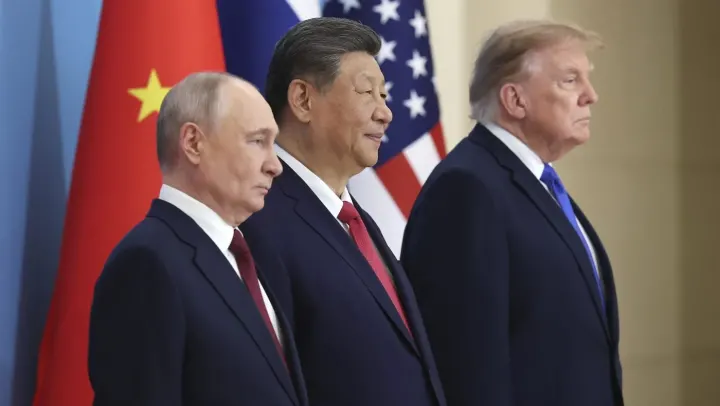
Chinese officials have not responded to American outreach concerning the status of two detained Americans held within the country, despite direct appeals from President Trump alongside earlier positive signals from Chinese President Xi Jinping. Insiders familiar with the matters note that this total lack of communication from Beijing is highly unusual. The affected individuals are Youlin Chen, a seismologist imprisoned for longer than two years, and Min Zin, an academic who was arrested during the month of June.
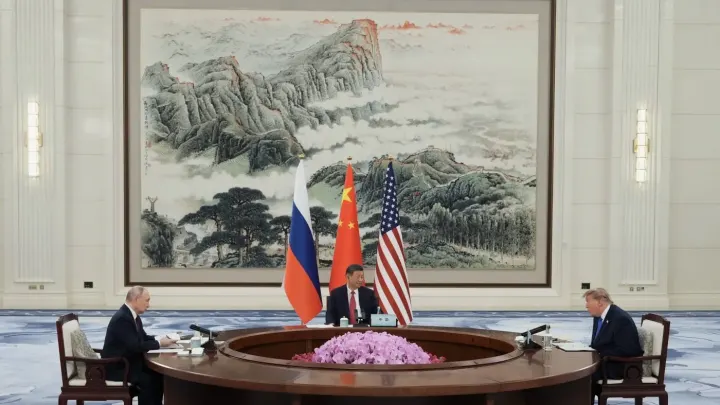
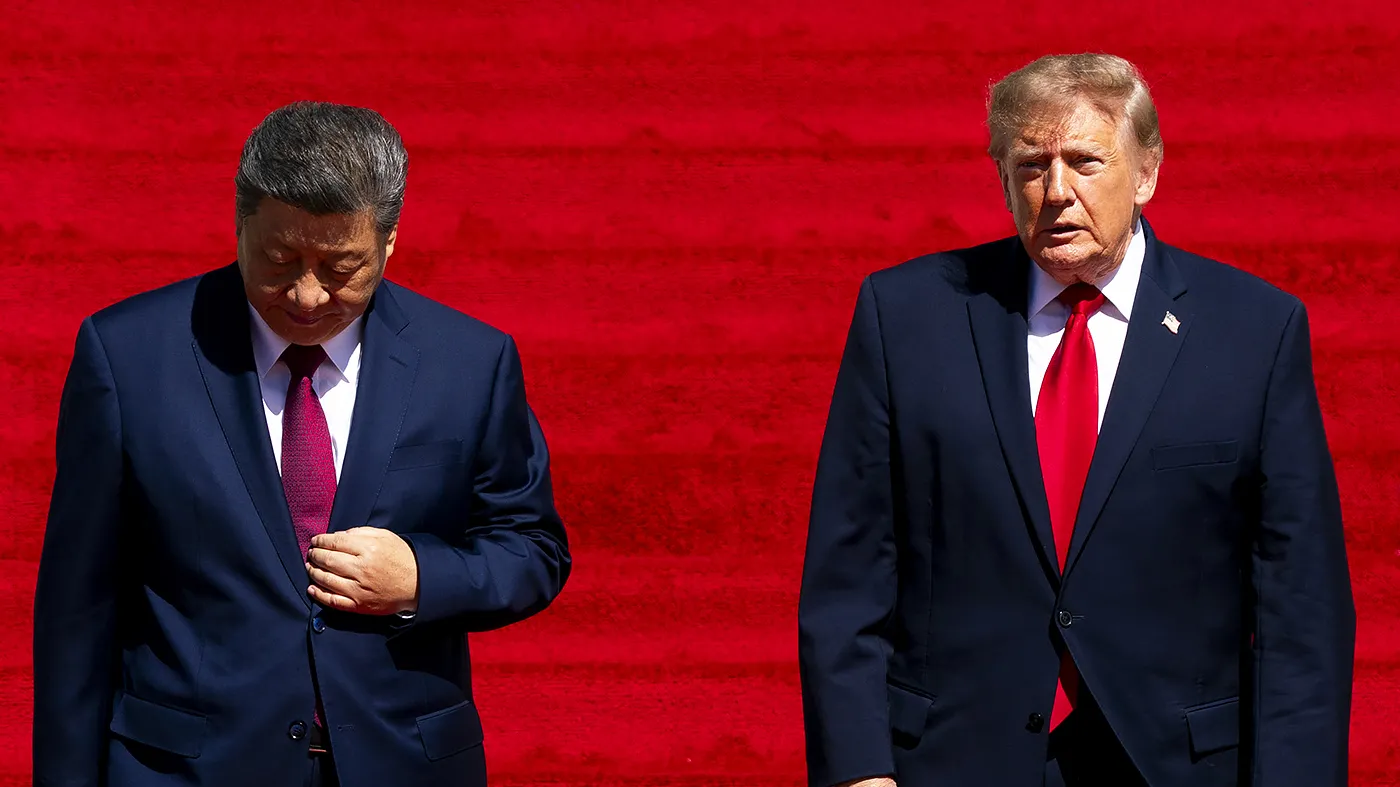
President Trump plans to bring up both situations once again when he sits down with President Xi on the sidelines of the APEC summit scheduled for November 18 and 19 in Shenzhen, China. This meeting would mark the third time Trump raises the case of Chen and the second time for Min Zin. The urgency surrounding Min Zin increased after he was hospitalized in October to receive medical treatment for dehydration, a stomach illness, and other health complications.
Sylvia Zin, the wife of Min Zin, addressed the situation in a formal statement provided to The Hill. "The beginning of December will mark 6 months of Min Zin's detention. I continue to worry about the impacts of his imprisonment on both his physical and mental health," Sylvia Zin stated. "I hope that President Trump will demand Min Zin's immediate and unconditional release when he sees President Xi at the APEC Summit next week."
Securing the freedom of individuals unjustly imprisoned in foreign nations remains a major focus for President Trump, and the U.S. State Department reports that his efforts have helped return at least 115 Americans. The State Department officially classifies both Min Zin and Chen as wrongfully detained, meaning the administration examined their files and concluded that all allegations or charges lack merit. While Chen faces accusations of espionage, Min Zin has not received any formal charges.
Background on the Detained Individuals and Intelligence Handling
The Ministry of State Security oversees both legal proceedings, serving as the main civilian intelligence agency for China. This organization manages foreign intelligence operations as well as counterintelligence work, functioning similarly to the Central Intelligence Agency in the United States while maintaining a significantly larger operational scale. Supporters of Min Zin express optimism that a window remains open to secure his freedom before formal charges get filed by authorities.
Supporters suggest that Chinese officials could claim they looked into suspicions without finding evidence, whereas filing charges would initiate a completely new timeline for a trial and sentencing. A representative for the Chinese embassy located in Washington D.C. disputed the wrongful detention label during a public statement. The embassy official maintained that the two men are suspected of participating in actions that threaten national security and break local laws.
"China is a law-based country. There is no such thing as so-called 'wrongful detention'," the embassy spokesperson remarked in the statement. "Chinese judicial authorities are handling the cases in accordance with law."
Diplomatic Pressures and Travel Advisories
The State Department added a specific risk indicator to travel advisories for China during October to protest the lack of communication, warning travelers about the serious threat of wrongful imprisonment using a D risk indicator. Eric Lebson, an advisor for the Chen family and chief strategy officer for the nonprofit Global Reach, explained the intention behind the warning. Lebson stated that the move delivered a distinct message from the administration regarding unfulfilled commitments from Beijing.
American officials believe that Beijing pays close attention to how travel warnings damage the national reputation and economy. President Xi previously discussed plans to bring 100,000 students from the United States to the country over a five-year period while actively encouraging international commerce. During a September state visit at the White House, President Xi emphasized that the nation keeps its doors open to foreign investors and companies.
Current travel advisories for China sit at Level Two, which urges citizens to exercise increased caution. However, the inclusion of the D indicator points toward a potential elevation to Level Three, where individuals are advised to reconsider travel plans entirely. Lebson pointed out that such a change carries massive economic and reputational consequences by restricting travel for universities, corporate entities, and other organizations.
Congressional Action and Legislative Pressure
Out of seven nations currently carrying the D risk indicator from the State Department, five sit at Level Three or Level Four under a strict do not travel policy. That group includes Afghanistan, Iran, North Korea, Russia, and Nicaragua. Members of Congress are simultaneously working to apply additional pressure on Beijing to release both Chen and Min Zin through bipartisan resolutions introduced in September.
Those legislative proposals advocated for adding the D risk indicator while demonstrating rare cooperation between lawmakers and the executive branch prior to President Xi visiting the United States. The text of the resolution formally condemns the imprisonment of Chen and Min Zin while urging an upgrade of the travel advisory to Level Three. Furthermore, the document requests an official review from the State Department to determine if China qualifies as a State Sponsor of Wrongful Detention.
According to the congressional text, detaining individuals in this manner damages prospects for scientific collaboration and people exchanges between the United States and the People's Republic of China. President Trump established the wrongful detention classification via executive order in September 2025, and Congress codified the designation later that year. The administration has previously applied the label to Afghanistan and Iran.
Beijing strongly protested the creation of the classification while denying any involvement in unjust imprisonments. Foreign Ministry Spokesperson Lin Jian addressed the matter previously by rejecting the existence of any wrongful detention issue inside the country. Lin Jian argued that arbitrary detention, coercive diplomacy, long-arm jurisdiction, and unilateral sanctions rank among the preferred tools used by the United States.