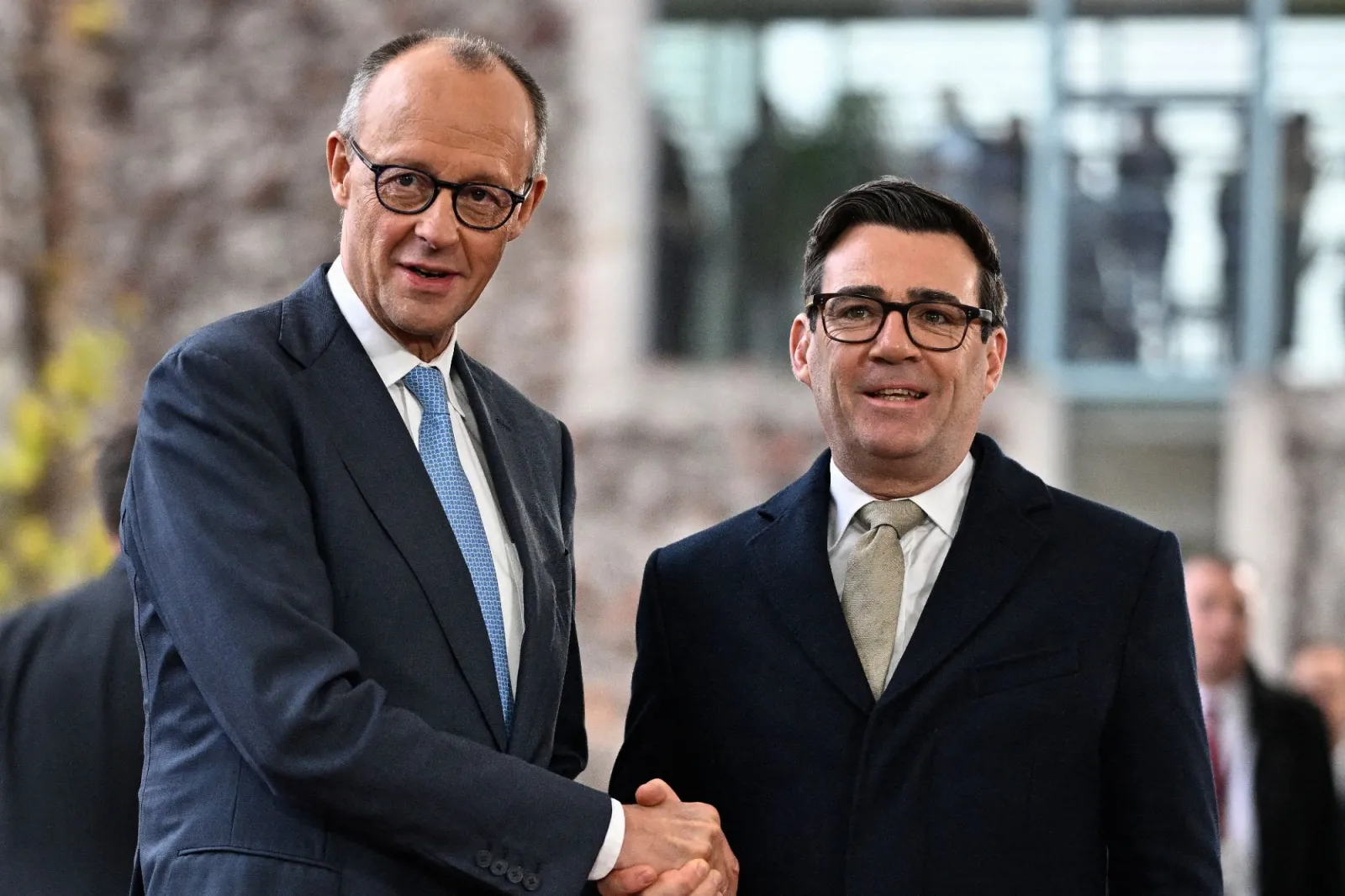
Prime Minister Andy Burnham travels to Brussels for a high-profile summit where he will sign a new agreement with European Union officials. Critics argue the pact heavily favors the European bloc while offering little tangible benefit to the United Kingdom, raising concerns among those who supported leaving the political union.
During the autumn months, Westminster jungle tests PM Andy Burnham over his stated desire to see the nation eventually rejoin the European Union. Negotiators on the continent recognized the urgency of the administration to secure an accord before the summit, leading to terms that critics describe as a total capitulation.
Under the terms of the arrangement, the British government will pay £570million for a single year of participation in the European student exchange scheme. In return, European students will secure reduced tuition rates at domestic universities, while domestic policymakers attempt to address youth unemployment by drawing in workers from abroad.
The agreement also extends European regulatory red tape across all domestic businesses, regardless of whether they engage in international trade. Furthermore, officials acknowledge that the nation will be bound by future regulatory changes enacted in Brussels, gaining a seat in the room but forfeiting any voting power.
Negotiator Hamish Falconer defended the inclusion of a compensation clause requiring financial penalties if future administrations walk away from the terms. Political opponents note that the administration has shifted its stance repeatedly since taking office, leaving voters uncertain about the long-term trajectory of national policy.
Background on European Union Relations
Relations between the United Kingdom and the European Union have remained a central fixture of domestic politics since the historic referendum. The process of leaving the bloc involved complex negotiations regarding trade, jurisdiction, and financial contributions, setting precedents that continue to influence current diplomatic engagements.
Previous administrations spent years establishing regulatory autonomy and ending freedom of movement, principles that formed the core of the departure campaign. Debates persist regarding the economic impact of maintaining distance from the single market versus the sovereignty gained over domestic laws and borders.
The Mechanics of International Summits and Trade Agreements
High-level diplomatic meetings typically require extensive preparation by civil servants and specialized negotiators who outline terms beforehand. When leaders sign pacts at such events, the documents usually reflect months of bureaucratic compromise on sensitive issues like financial contributions and regulatory alignment.
Critics frequently scrutinize these summits for perceived imbalances in bargaining power, particularly when one side faces intense political pressure to deliver a visible diplomatic win. The presence of financial clauses and mandatory rule adoption mechanisms often sparks fierce domestic debate over national sovereignty.
Future Outlook on Domestic Policy and Economic Priorities
Public opinion polls consistently indicate that citizens prioritize domestic economic stability, inflation management, and public service delivery over renewed debates on continental alignment. Policymakers must balance international engagements against pressing domestic challenges, including cost-of-living pressures and regional economic disparities.
As the administration outlines further options for future cooperation with European partners, political opposition groups continue to mobilize campaigns aimed at preserving existing boundaries. The ongoing friction highlights deep-seated divisions regarding the nation's long-term international posture.