Britain's Brexit Summit and the EU's Last-Minute Demands
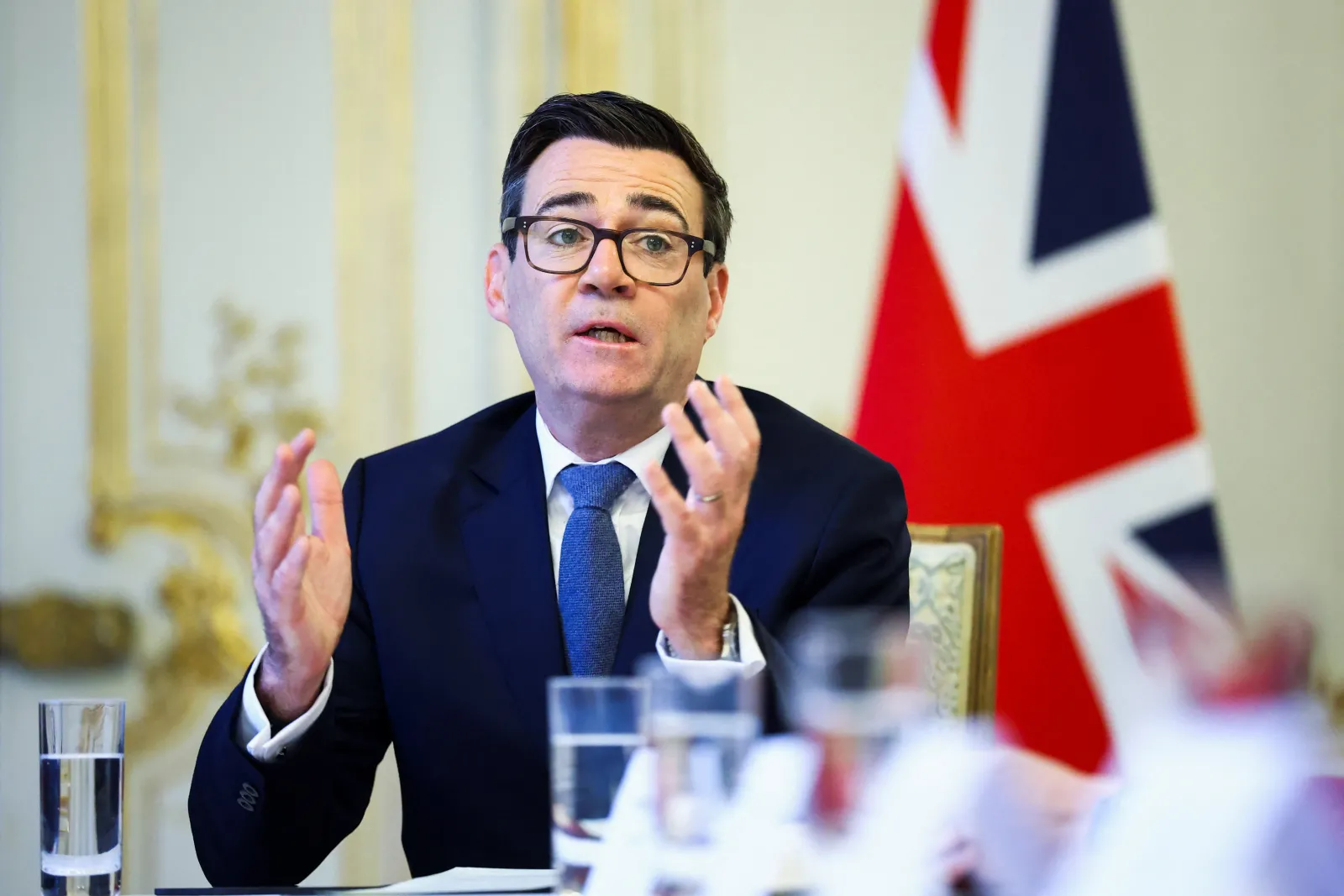
On the day of the Brussels summit, Prime Minister Andy Burnham faced a sudden EU demand that could halt the entire UK-EU agreement. The European Commission, citing the need for "huge discounts" on tuition fees for European students, set a six-month window to negotiate a price before any other parts of the deal could proceed. Burnham's response was framed as a statement that the deal was already "done" and that further discussion would follow.
"There are firm dates for the implementation for the changes to the different policy areas in the deal and there will be further discussions out of it, as referenced in the text, around various issues...of which tuition is one, but that is a further discussion that has to take place after this," Burnham said. The statement was interpreted by many as an attempt to downplay the EU's conditions.
EU's Tactics: Light Blackmail and a Six-Month Deadline
The EU's approach is described as "light blackmail", an 11th-hour bid to force the British Prime Minister into a position of compliance. The European Union, through its representatives in Brussels, leveraged the urgency of the summit to push for concessions on student fees. The deadline was set at midnight, giving Britain only a short period to negotiate.
During the summit, the EU also insisted that the UK must align to EU rules on agriculture and pay for the pleasure of EU membership. This alignment would have required the UK to adopt EU regulations on farming, a significant shift from the UK's previous independent agricultural policy.
Burnham's Response and the Public Narrative
Prime Minister Burnham's remarks were framed as a reassurance that the deal was already final. He stated, "The deal is done, it's there in black and white in front of you," suggesting that the agreement had already been signed and that further negotiations were unnecessary.
However, the text of the agreement contains no firm dates for the implementation of the changes. Instead, it lists "aims" with vague years and does not specify that the rest of the deal will proceed if no agreement is reached on tuition fees. The ambiguity in the language was seen by critics as a way to deflect responsibility for the EU's demands.
What the EU Seized: Economic and Political Leverage
The EU's strategy involved leveraging the UK's need for access to EU markets. The agreement would have required the UK to pay for the pleasure of EU membership, effectively turning the UK into a "rule-taker" with no rule-making power. This shift would have ended the UK's attempts to break free from EU regulations over the past decade.
Additionally, the EU demanded that 100,000 European students under 32 years old be allowed to study in the UK. The influx of students was intended to fill gaps in the UK's struggling universities and youth job market, but the cost of this influx was a point of contention.
Political Fallout and the Role of Media
Following the summit, media coverage highlighted the EU's ability to "take the UK to the cleaners". Reports described the lunch served to Burnham, featuring creamed soup, fish and chips made from North Sea reserves, and a Brussels waffle. The meal was presented as a symbolic gesture of the EU's influence over British policy.
In the days after the summit, political commentators and opposition figures criticized Burnham for what they described as "dishonesty" and "manipulation". The Prime Minister's statements were seen as an attempt to shift blame onto the public, suggesting that voters had misunderstood the agreement.
Broader Context: Brexit 2.0 and Political Divisions
The current debate over Brexit is often referred to as "Brexit 2.0", reflecting the ongoing discussions about the UK's relationship with the EU. The summit's outcome has intensified calls for a re-entry into the EU, with some political groups advocating for a return to the Single Market.
Former UKIP leader Nigel Farage expressed his disinterest in the new negotiations, stating that he would "not be getting involved in this" and that the campaign would remain focused on immigration. Meanwhile, the Leave.EU group has rebranded as "Enough!", shifting its focus toward immigration issues.
What Happens Next: Negotiations Continue
The agreement remains in a state of uncertainty, with negotiations expected to continue for another six months. The EU has made it clear that the deal will not proceed without an agreement on tuition fees, and the UK must decide whether to accept the EU's conditions or seek alternative arrangements.
As the political landscape evolves, the UK's future relationship with the EU remains a key issue for policymakers, businesses, and the public. The outcome of the ongoing negotiations will shape the direction of UK-EU trade, education, and regulatory alignment.
Background: The 2025 Fishing Deal and UK-EU Relations
In 2025, the UK sold fishing waters to the EU as part of a broader agreement that would allow the UK to align with EU agricultural rules. The deal was intended to unlock access to EU markets and secure economic benefits for the UK. However, the agreement also required the UK to adopt EU regulations, limiting its ability to set independent policies.
The agreement was a significant shift from the UK's previous attempts to negotiate independent trade deals after the 2016 referendum. The UK had previously rejected several proposals to maintain its sovereignty over fishing and agricultural policy.
Key Points
- Prime Minister Andy Burnham faced EU demands over student-fee discounts at a Brussels summit.
- The EU set a six-month deadline to negotiate tuition fees before other parts of the deal could proceed.
- Burnham claimed the deal was "done" and that further discussion would follow, despite the agreement containing no firm dates.
- The EU's demands would have required the UK to align with EU agricultural rules and allow 100,000 European students under 32 to study in the UK.
- Negotiations are expected to continue for another six months, with the outcome uncertain.
Why It Matters
UK businesses and students are directly affected by the potential changes to trade and education policy. The outcome of the negotiations will determine whether the UK can maintain its independent regulatory framework or must adopt EU rules.
FAQ
- What is the current status of the UK-EU agreement? Negotiations continue for another six months, with the EU demanding discounted tuition fees as a condition for proceeding.
- How many European students are involved in the agreement? The agreement allows 100,000 European students under 32 to study in the UK.
- What are the implications for UK agriculture? The UK would need to align with EU agricultural rules, losing its independent policy-making power in that sector.
Internal Links
For more on the political fallout, see Andy Burnham Considers Welfare Overhaul Expansion Amid Labour Rifts and Andy Burnham Uses ChatGPT For Brexit U-Turn Speech As Domestic Policy Lacks.