At the June 2025 Hague Summit, NATO members announced a commitment to allocate 3.5 percent of Gross Domestic Product to core defense requirements by 2035, with an additional 1.5 percent of GDP earmarked for broader defense and security-related expenditures. The declaration outlined objectives to protect critical infrastructure, defend networks, ensure civil preparedness and resilience, unleash innovation, and strengthen the alliance's defense industrial base. However, the statement stopped short of detailing how the money would be spent to maximize collective defense efficiency.
What the Commitment Means for European Allies
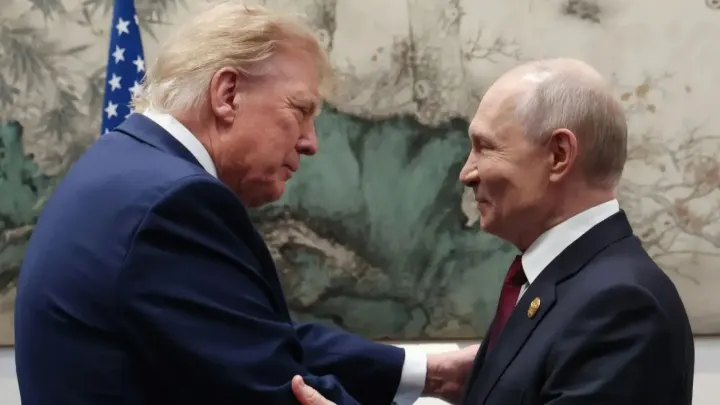
The pledge is a response to heightened concerns about Russian aggression in Europe and to former President Trump's warning that the United States would withdraw support if allies failed to raise budgets. While the increase signals a willingness to invest more, analysts caution that higher spending does not automatically translate into stronger defense capability.
Industrial Duplication and Its Consequences
European NATO members have long struggled with duplicated production lines. Rivalries between national governments and a persistent drive to protect domestic industrial bases have led to the manufacture of multiple versions of aircraft, ships, submarines, armor and other military equipment. The result is a less efficient alliance than it could be if standardised procurement were adopted.
Progress and Persistent Gaps in Rationalisation
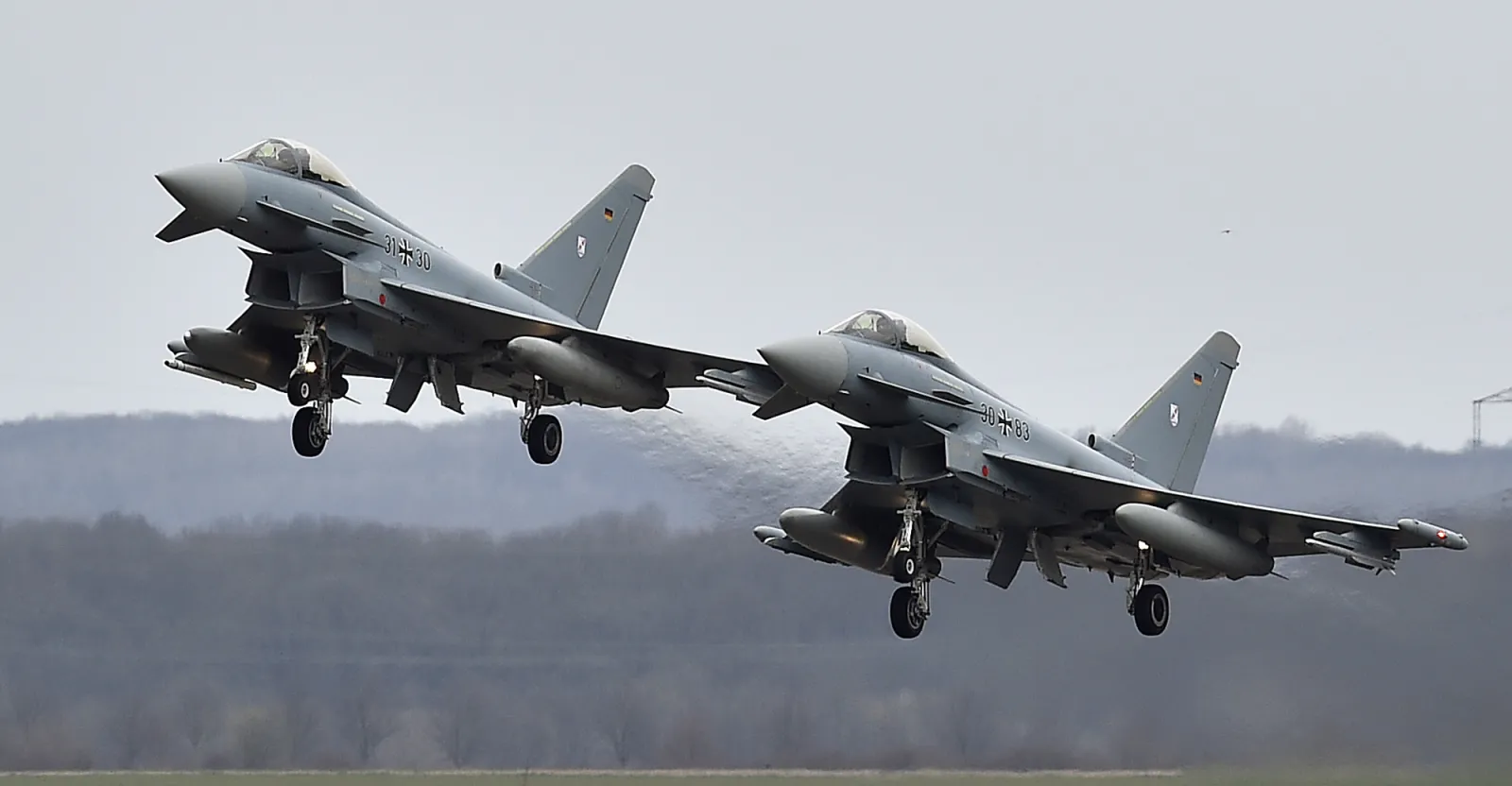
Efforts to streamline industrial bases have made some headway, yet maximum efficiency remains elusive. A recent challenge highlighted in the Financial Times concerns the difficulty of rationalising aircraft production. Italy reportedly rebuffed a British initiative to involve German participation in the British-Italian-Japanese Global Combat Air Program, a sixth-generation fighter project designed as a hedge against potential American disengagement.
Global Combat Air Program: A Case Study
The program seeks to create an alternative to purchasing American fighters. Although Germany could contribute substantially and increase orders, officials from Japan and Italy expressed fear that German aerospace companies, including Airbus, would lose work if German industrial players joined. Consequently, the partners offered Germany observer status, similar to that granted to Canada, a status Germany would likely reject.
Future Combat Air System and German Withdrawal
Germany had previously exited the Future Combat Air System, a joint sixth-generation project with France, over disagreements about leadership, work-share distribution and mission scope. France desired a smaller aircraft for carrier operations, while Germany preferred a larger plane for overland air superiority. Chancellor Friedrich Merz questioned the long-term necessity of a manned fighter jet, prompting doubts about remaining outside a European fighter program. The distribution of workshare remained a sticking point.
Italian Defence Ministry's Response
The Italian government swiftly denied the Financial Times report. The Defence Ministry claimed it had offered Germany observer status "precisely to facilitate and accelerate this process...as an immediate facilitator of information-sharing on the program with a view to subsequent full membership." The offer was said "not intended to limit Germany's future role in the program." Nonetheless, the emphasis on safeguarding the program's progress and timetable could still justify excluding Germany if delays arose.
Broader Implications for European Defense Independence
Programs such as the Global Combat Air Program and the Future Combat Air System illustrate Europe's attempt to hedge against a potential reduction in American support and to reduce reliance on U.S. military sales. Yet disputes over German participation and the split between Berlin and Paris over the latter underscore the challenges that continue to hinder a coherent and efficient European industrial base. These issues affect not only aircraft but also other critical capabilities such as airlift, intelligence, surveillance and reconnaissance.
Future Outlook and Dependence on U.S. Contractors
Until NATO allies can reorganise and rationalise industrial production, they will likely remain dependent on American contractors, regardless of their own spending increases. The current fragmentation threatens to blunt the intended gains from the 2025 commitment.
Dov S. Zakheim is a senior adviser at the Center for Strategic and International Studies and vice chairman of the board for the Foreign Policy Research Institute. He was undersecretary of Defense (comptroller) and chief financial officer for the Department of Defense from 2001 to 2004 and a deputy undersecretary of Defense from 1985 to 1987.
Background: European Defense Spending Trends
European defense budgets have historically lagged behind those of the United States. In 2022, NATO members in Europe collectively spent approximately 1.2 percent of GDP on defense, compared with 2.5 percent by the United States. The 2025 Hague Summit pledge represents a significant shift, aiming to bring European spending closer to the U.S. level by 2035. However, the distribution of funds among member states remains uneven, with some countries like France and the United Kingdom allocating over 3 percent of GDP, while others such as Greece and Poland spend below 1 percent.
Industrial Policy and National Security
Many European nations maintain protective industrial policies to safeguard domestic manufacturing and employment. France's "Industrie de Défense" program, for example, prioritises domestic production of key weapons systems. Germany's "Industrie 4.0" initiative similarly supports advanced manufacturing. These policies, while boosting national economies, can create overlapping capabilities across the alliance.
Strategic Autonomy and NATO's Role
NATO's strategic autonomy agenda seeks to reduce dependency on external suppliers, particularly the United States. The alliance's "Strategic Compass" outlines a vision for a more self-sufficient defense posture. Achieving this vision requires harmonised procurement and shared industrial bases, a goal that remains challenged by national interests.
Implications for European Security
Efficient industrial production is essential for rapid response to emerging threats. Duplication can lead to higher costs, longer development times, and reduced interoperability among allied forces. The current fragmentation may hinder Europe's ability to field modern platforms in a timely manner, potentially affecting collective defence readiness.
What's Next for European Defense Cooperation
European leaders are expected to revisit industrial cooperation frameworks at upcoming NATO and European Union meetings. Discussions may focus on standardising platforms, sharing research and development costs, and aligning procurement cycles. Successful implementation could improve cost-effectiveness and reduce reliance on U.S. contractors.