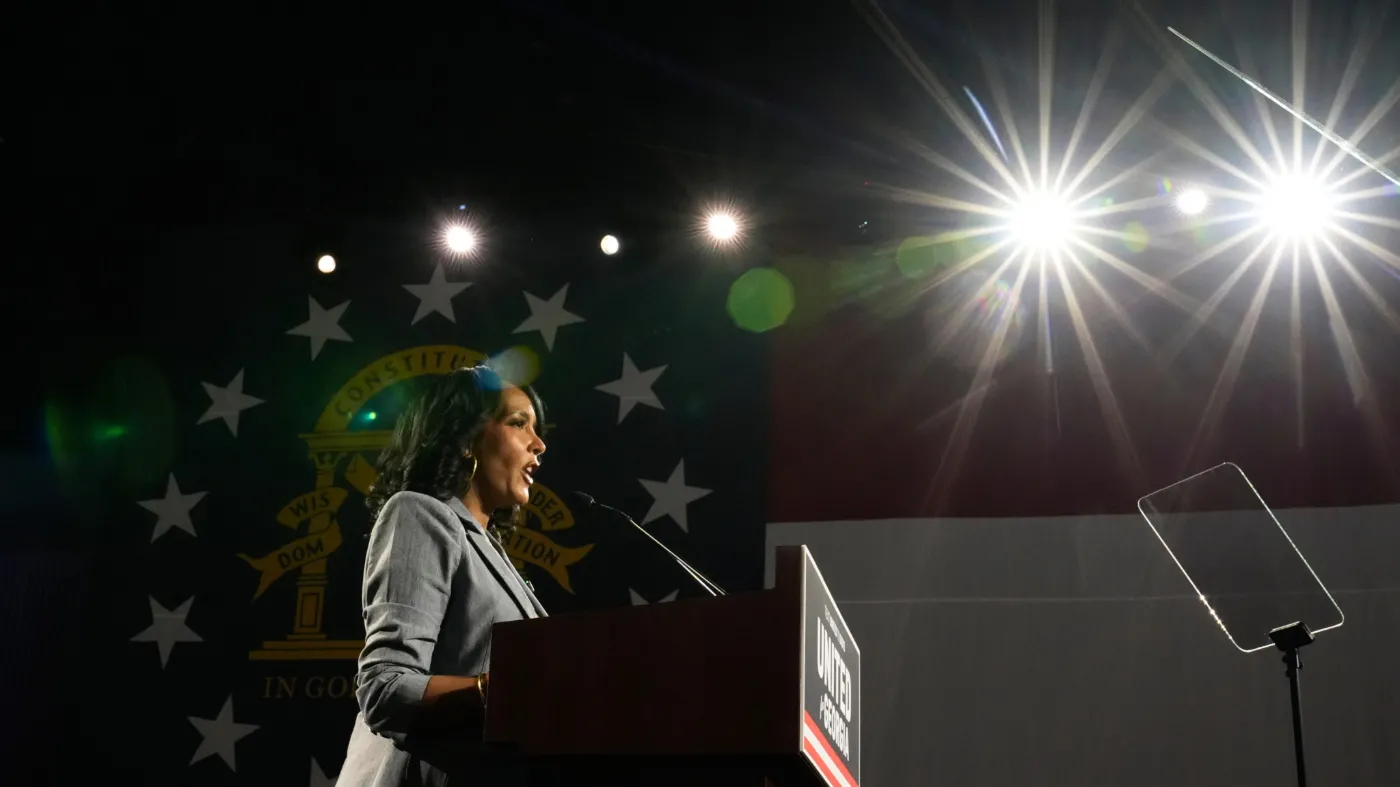
On Nov. 2, Keisha Lance Bottoms knelt at her great-great-grandmother Betsy Peek's grave in Crawfordville, Georgia, and wept. In 1860, Betsy's husband, Sheppard, had appeared on a list of a white man's possessions, valued at $1,400. On another surviving document, he signed with an "X."
The next day, their descendant became the first Black woman elected governor of an American state.
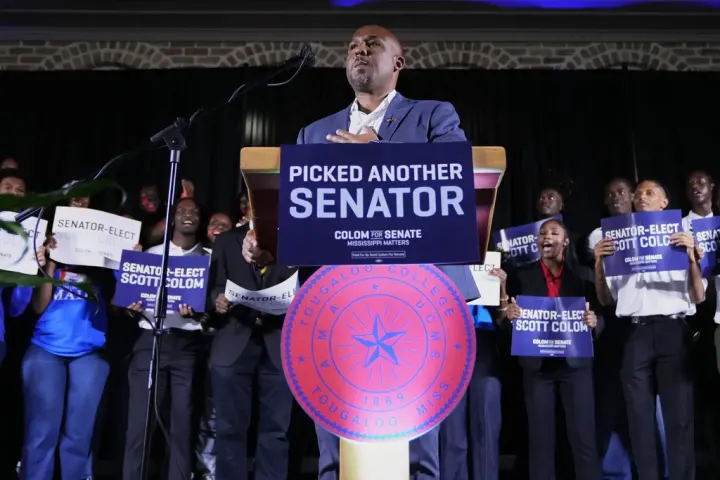
Democrats seized the Senate and, before dawn Wednesday, the House. Texas elected its first Latina governor, Gina Hinojosa (D), and sent State Rep. James Talarico (D), a seminary graduate preaching a politics of love, to the Senate.
Dr. Annie Andrews (D), a pediatrician, won a Senate seat in South Carolina, where Democrats had not won since 1998. Kansas elected Methodist pastor Adam Hamilton, its first Democratic senator since 1932. In New Mexico, Deb Haaland became the first Native American woman elected governor. Sen. Jon Ossoff (D-Ga.), Georgia's first Jewish senator, won again.
Abdul El-Sayed became the first Muslim elected to the Senate. In Michigan, Senator-elect El-Sayed addressed the vice president who would swear him in: "JD, habibi."
"Habibi" means my beloved in Arabic. Aimed at JD Vance, it had the mischievous bite of a Southern "bless your heart." After months of attacks on his faith and name, El-Sayed had turned an Arabic word into the punchline of his victory speech. Then came the score of their college rivalry: "Wolverines 1, Buckeyes 0." And to Trump, who had repeatedly mangled his name: "You can just go on and call me senator." By Thursday, he had named his new political action committee: Habibi PAC.
With Ossoff's precision, New York Mayor Zohran Mamdani's exuberant competence and Rep. Alexandria Ocasio-Cortez's (D-N.Y.) fire, the Democratic bench suddenly looked deeper and livelier than it had in years. Presidential speculation followed almost immediately.
Amid the celebrations, I noticed whose futures we were imagining.
Axios wrote that Ossoff had "vaulted into the top tier" of Democratic presidential prospects. In the same analysis, Bottoms appeared as a governor who could appoint a Democrat to the Senate if Ossoff or Sen. Raphael Warnock (D-Ga.) won the White House. Axios had made the point in its original report of her victory and returned to it in subsequent coverage.
The observation was sound, and either senator would be an exciting presidential prospect. But Bottoms had just ended 24 years of Republican rule in Georgia. Part of the national conversation about her future concerned the vacancy she might fill after a man reached the presidency.
Atlanta News First called Ossoff a political "powerhouse," comparing his denials of presidential ambition to Barack Obama's in 2006. Bottoms, it said, would bring Georgia Democrats "unprecedented national visibility." Both descriptions were complimentary, but only one looked toward the White House.
Presidential reputations begin taking shape long before anyone declares a candidacy, in the language we choose to describe them and the futures we allow ourselves to imagine.
Who decided what presidential swagger was supposed to look like? El-Sayed, who said he would answer Trump's "crass and obnoxious" politics in kind, has no intention of surrendering the stage to a bully. Ocasio-Cortez is already a serious possibility for 2028. Her fury at injustice is part of her presidential appeal.
Bottoms won an office no Black woman had ever held in a state where her ancestors were enslaved. Andrews spent years treating children whose parents worried about affording insulin and inhalers, then persuaded South Carolina to elect her. There is audacity in all of it.
How we imagine electability changes what voters do. In a 2022 study, researchers found that some Democratic primary voters hesitated to support women they preferred because they expected others to reject a woman president. Across six studies involving 7,895 participants, evidence that women received comparable electoral support to men increased willingness to support female presidential candidates. Hearing that other voters merely said they would support a woman did little.
The trap is elegant in its cruelty. We doubt a woman can win because we believe our neighbors doubt it. Each person's caution becomes another person's evidence.
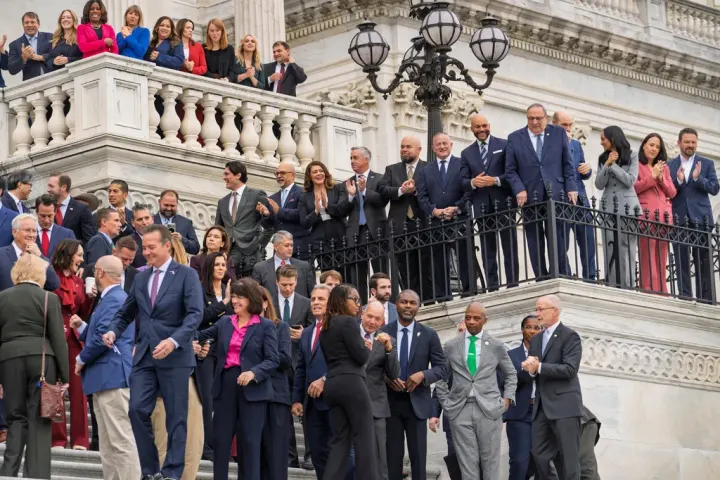
Election Day was electric for women. Black women, who have so often done the work of delivering Democratic victories, had now made history at the top of the ticket. For the first time, more than 100 Democratic women won seats in the House alone. Across the country, women won governorships, Senate seats and the trust of voters. The next president could be among them.
I keep thinking of Bottoms at Betsy Peek's grave, and of Sheppard's X. The next day, Georgians chose his descendant to sign the laws of their state.
So, by all means, let the conversation about 2028 begin. Let it be as unruly, fiery and exuberant as election night. The country has just rewritten what is possible. Why stop there?
Flynn Coleman is an international human rights attorney, political scientist and the author of "A Human Algorithm."
Background on Historic Midterm Victories
The recent election cycle brought unprecedented representation to multiple levels of American government. Candidates from diverse backgrounds broke long-standing barriers, securing gubernatorial posts and Senate seats across various states. These outcomes reshaped the political landscape and altered assumptions about leadership and electoral viability in national politics.
Understanding Voter Perceptions of Electability
Research into voter behavior highlights how expectations regarding electability influence primary choices. Studies demonstrate that tangible proof of electoral backing for female candidates significantly shifts voter support compared to mere statements of preference. This psychological barrier often perpetuates hesitation among voters who assume their peers will reject certain demographics for high office.