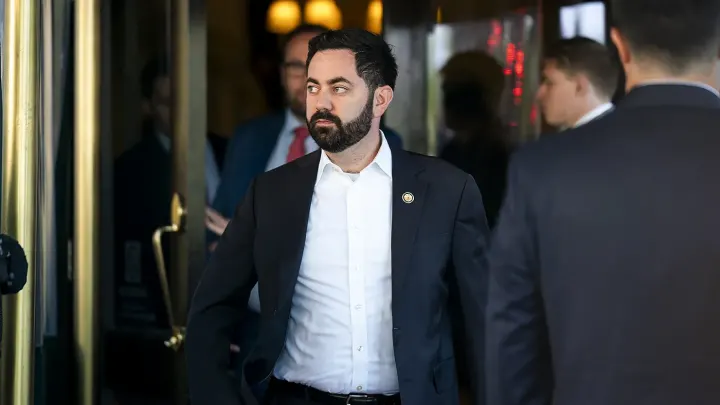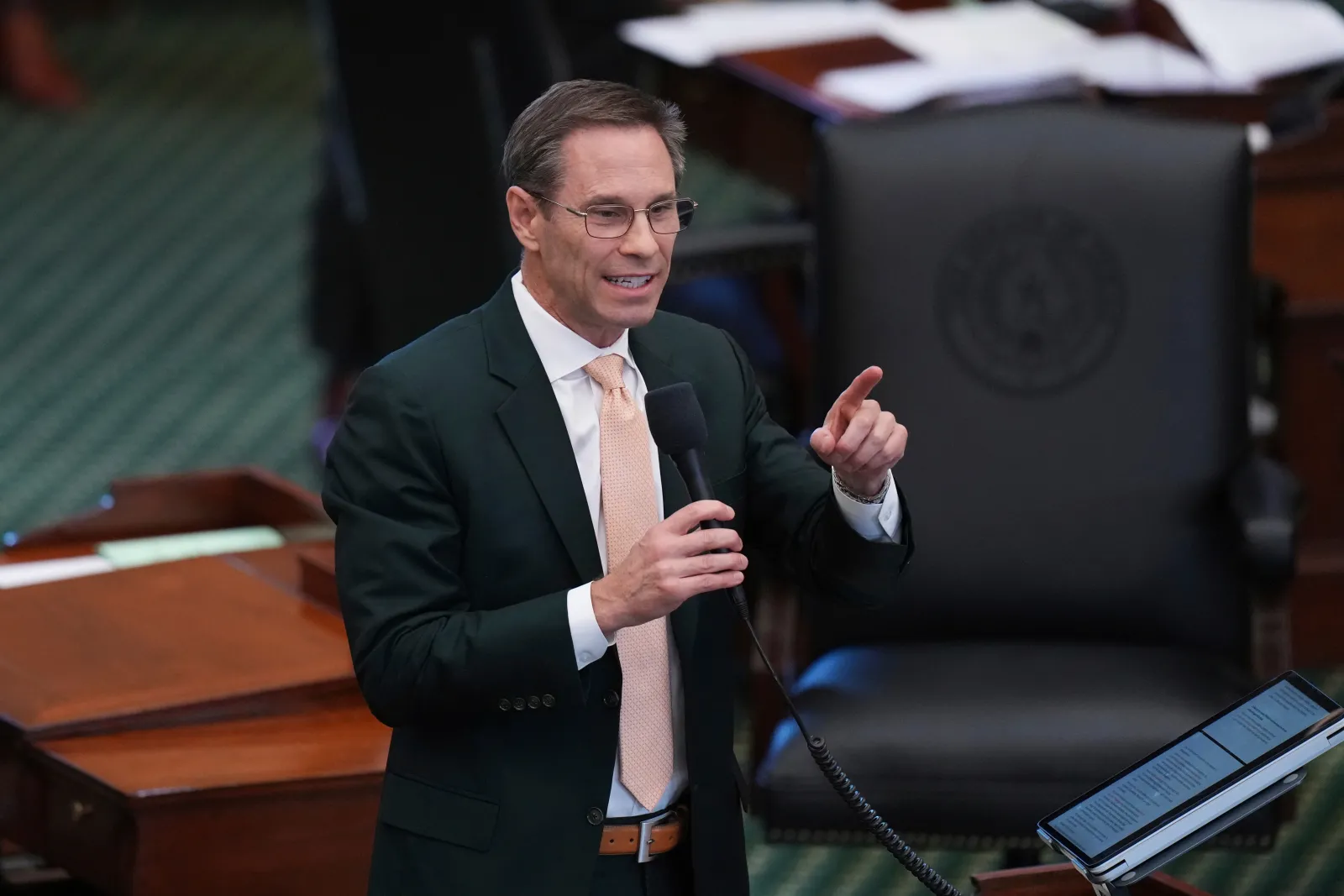
Abortion remains a major election issue, and the 2026 midterms proved no exception as sweeping new majorities of elected officials supportive of abortion rights entered Congress, state legislatures, and governors mansions. These down-ballot victories will significantly affect abortion access in some of the biggest ways since Roe v. Wade was overturned nearly five years ago. A recent commitment from Texas Attorney General-elect Nathan Johnson foreshadows how this shift will influence how care is delivered across the country, even in states with strict bans.
Impact of Texas Attorney General-elect Nathan Johnson
Voters expressed deep frustration regarding the economy, the Iran war, and shrinking health care access, which includes abortion services. Texas Attorney General-elect Nathan Johnson understood this mandate immediately. Within 24 hours of winning his election, he announced in an interview with the Texas Tribune that he will not continue his predecessor's practice of suing providers in other states for sending abortion medications to Texans, stating that he can honor other states shield laws.
Abortion shield laws, currently in effect in 23 states plus the District of Columbia, create a legal protective zone around providers, traveling patients, and supporters against out-of-state anti-abortion extremists. Eight of these states explicitly protect telehealth providers of abortion services. This means they can ship medications to Texas and other restrictive states without fear that officials in their home state will cooperate with hostile investigations, revoke medical licenses, process civil judgments, or extradite them.
The Role of Telehealth and Abortion Shield Laws
In practice, shield laws have softened the blow of losing Roe v. Wade for many patients. In July 2026, the most recent month with available data, Guttmacher research shows an estimated 9,960 abortions were provided via telehealth by shield law providers to the 13 states with total abortion bans, with 4,840 of those going to Texans. The data demonstrates that shield law provisions have greatly improved the ability of Texans to access abortion care without leaving their home state.
The story extends beyond telehealth alone, as politicians in states that banned abortion have continued legal and political attempts to extend their state laws beyond their borders. Outgoing Texas Attorney General Ken Paxton has done precisely that. This background makes the promise from Texas Attorney General-elect Nathan Johnson profoundly impactful for patients across the country.
Interstate Travel and Out-of-State Care
Although no case against a shielded provider has been successful, the constant fear of prosecution or financial ruin serves as a deterrent for providers who might otherwise offer this care. Travelling from a hostile state to a protective one remains a critical option for patients, but interstate travel is expensive and logistically complicated, especially for individuals facing strict time limits or financial hardships.
Tens of thousands of Texans still travel across state lines for procedures. In 2025, almost 23,000 Texans obtained abortions in other states, most frequently in New Mexico and Kansas. Many traveled hundreds of miles farther to reach Colorado, California, Illinois, and even New York.
Background on Post-Roe Legal Landscapes
The overturning of Roe v. Wade by the United States Supreme Court reshaped the American legal landscape regarding reproductive freedom, leading to a patchwork of total bans and protective statutes across various jurisdictions. For related context on how legal battles continue to unfold across the country, readers can examine Democratic Gains in Midterms Won't Fully Restore Abortion Rights and review how Voters Weighed In On Abortion And Transgender Care Ballot Measures Across US States during previous electoral cycles. These legislative fights highlight the ongoing tensions between state-level bans and federal or interstate protections.
What Happens Next for State Legislation
Texans deserve to make decisions about their health care needs, including abortion, without the constant fear of being criminalized. More states should pass shield laws and more governors should issue shield executive orders to protect patients and providers alike. Some states, such as Arizona and Pennsylvania, have shield-law executive orders that are ripe for conversion into more enduring statutory protections now that Democrats have taken full control of both state legislatures in the midterm elections.
Governors also play an essential role, even in states where repealing strict bans is not a realistic possibility immediately. Governors typically appoint members of boards of health, powerful bodies that issue practice standards, discipline licensed providers, and oversee influential departments of health. All of these officials influence how abortion bans are interpreted and enforced while managing limited state resources responsibly.