Citizens have begun stockpiling essential supplies ever since the Government launched its Be Ready campaign. In the initial ten days, hand sanitiser sales increased by 83 per cent, bottled water purchases rose 67 per cent, and tinned and jarred goods grew by 37 per cent. Families were instructed on October 22 to embark on this shopping spree to prepare for severe weather, cyber attacks, or state-sponsored terrorism.
Yet if a major crisis strikes, it is far more likely to stem from our Net Zero-obsessed Government's own making, with the state itself actively preparing for the worst. The official Government advice calmly suggests households should stash three days of non-perishable food, three litres of water per person each day, torches, and a wind-up FM radio.
Broadcaster Emergency Preparations
The BBC Black Sky contingency plans suggest a much greater level of anxiety. The broadcaster is preparing to lock 100 staff inside an emergency broadcast hub stocked with survival rations and 40,000 litres of diesel to keep radio masts powered.
Staff members are polishing pre-written survival scripts on food rationing and sanitation to broadcast to a public facing disabled cash machines, closed petrol stations, and failing water pumps that cause sewage to back up into streets.
Electricity Margin Notices And Wind Shortages
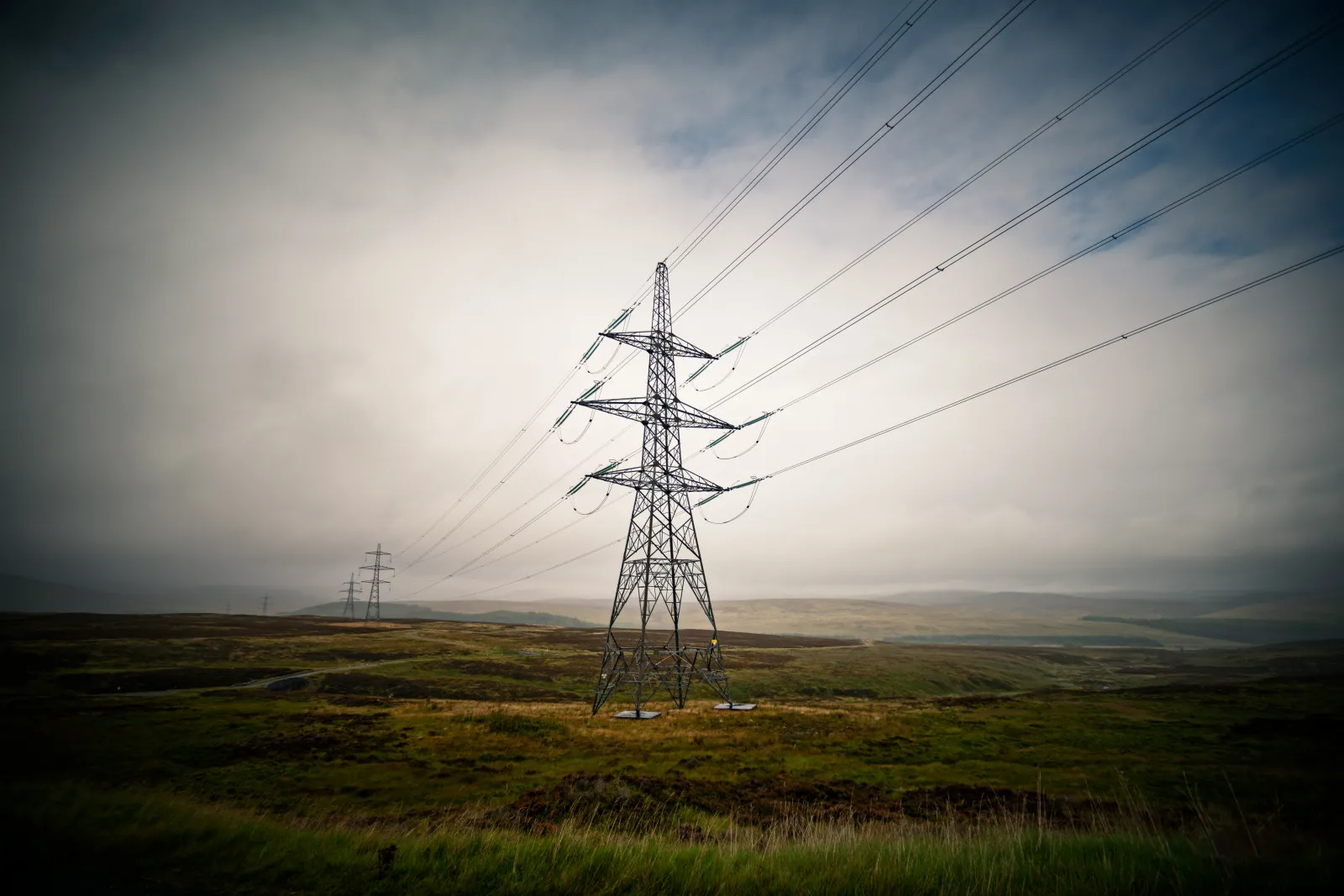
The primary reason for all this emergency planning is an unprecedented string of grid warnings. It relates less to cyber attacks and more to the lights going out because of the rush to achieve Net Zero.
The National Energy System Operator has issued an astonishing seven Electricity Margin Notices already in 2026, including a frantic morning warning on November 9. Rather than predicting an immediate plunge into darkness, these notices act as a flashing red dashboard light, telling the country that our safety buffer of power has reduced dramatically.
The uk energy grid is seeing these technical warnings more frequently because it is now incredibly reliant on wind and solar power, creating rapid fluctuations in supply that remain difficult to predict. When you depend entirely on the weather, any sudden forecasting error easily eats into your safety reserves.
Wind power output hit its lowest level in 12 months on Sunday, averaging just 599 megawatts, which is less than two per cent of the 36,000 megawatts of power the UK typically requires at any given moment.
Dismantling Reliable Infrastructure
The people to blame for this embarrassment are the politicians of the past 26 years who have relentlessly dismantled our previously reliable energy infrastructure. Since the year 2000, they have gleefully cheered the demolition of more than 40 large coal, gas, and oil power stations that provided a colossal 43.3 gigawatts of dependable energy.
In their place, they have built only 18 large replacement plants providing just 17.3 gigawatts, choosing instead to blanket views with wind turbines and solar panels. On paper, the country boasts 21.5 gigawatts of installed solar power and roughly 33 gigawatts of combined onshore and offshore wind.
However, the actual dependable capacity you can trust on a dark, calm winter night is just a fraction of those figures. We have deliberately abandoned long-term secure supplies of coal, gas, and nuclear that can be bought in advance, hedged against price spikes, and safely stored on our own soil to protect UK bill payers from the shocks of global conflicts.
Exposure And Economic Impact
Instead of dependable domestic energy, the nation is now dangerously exposed to undersea cable failures, potential sabotage, and the whims of European neighbours who could easily cut off our imported supply if they face their own shortages. The green lobby loves to claim that battery storage will solve this intermittency crisis, but every grid-scale battery we currently have could only meet national demand for a paltry 20 minutes.
The expansion of intermittent wind and solar is simply not being matched by enough dependable back-up generation or grid capacity to keep the country running safely during a four-day wind lull. This Net Zero obsession is also driving household bills to depressing levels, as massive growth in network costs and levies since 2017 has been driven almost entirely by the green transition.
Beyond punishing households, these exorbitant energy costs and our increasingly fragile grid are putting vital investment in AI and data centres at severe risk. We are actively driving away the exact industries of the future that we desperately need to boost productivity and grow our stagnant economy.
Government Action Required
A realist has to ask what the point of this economic self-harm is when the UK produces less than one per cent of global carbon emissions. We are plunging headfirst into a self-inflicted disaster.
To fix this, the Government must immediately halt the punishing green policies that are inflating our bills, restart serious investment in secure baseload power such as gas and nuclear, and stop pretending that relying on imported electricity and intermittent weather is a sensible strategy.
Until politicians wake up to reality, the only guarantee this winter is higher bills, a deeply vulnerable energy grid, and the creeping fear that you might actually need that emergency stockpile much sooner than you think.
Government's Be Ready List
- Bottled water for three days. Allow three litres per person per day for drinking. More would be needed for other tasks such as cooking and washing.
- Non-perishable food for three days. Buy food with a long shelf life that doesn't need refrigeration or cooking, such as tinned meat, fish or vegetables, dried fruit and nuts.
- Hand sanitiser, wet wipes and bathroom products.
- First aid kit, including items such as waterproof plasters, bandages, a thermometer, antiseptic, eyewash solution, sterile dressings and gloves, medical tape for dressings and tweezers.
- Blankets, sleeping bags and warm clothing.
- Torch and some spare batteries.
- FM radio, battery or wind up.
- Charged power bank.
- Copies of IDs and documents.
- Cash, mix of coins and notes, and cards.
- Important phone numbers and information.
- Essential medication and medical supplies.
- Baby formula.
- Nappies and wipes.
- Pet food and bottled water.